There are some household problems you barely notice at first. A little white residue around the kitchen faucet, a shower that never seems to rinse clean, or hair that feels strangely dry no matter which shampoo you use. Then, one day, you realize you’re spending more time cleaning mineral deposits than enjoying your home.
Hard water could be part of the picture. It contains dissolved minerals, mainly calcium and magnesium, that can leave scale on fixtures and interfere with how soap behaves. Although hard water is generally not considered a health risk by itself, it can create everyday annoyances that make people look for a better solution.
Water softeners are one option, but they’re not the answer to every water problem. Understanding how they work, their possible environmental effects, and when reverse osmosis makes sense can help you make a decision that suits both your household and your budget.
Why Hard Water Can Be Such a Nuisance
Hard water often reveals itself through small, repetitive frustrations. Glasses come out of the dishwasher with spots, soap leaves a film in the bathtub, and the showerhead gradually develops crusty deposits. In areas with particularly hard water, scale can also accumulate inside water heaters and plumbing equipment.
The minerals responsible aren’t unusual pollutants. Calcium and magnesium occur naturally in groundwater, and their concentrations depend largely on local geology. Still, when these minerals interact with soap, they can reduce lathering and contribute to residue on surfaces.
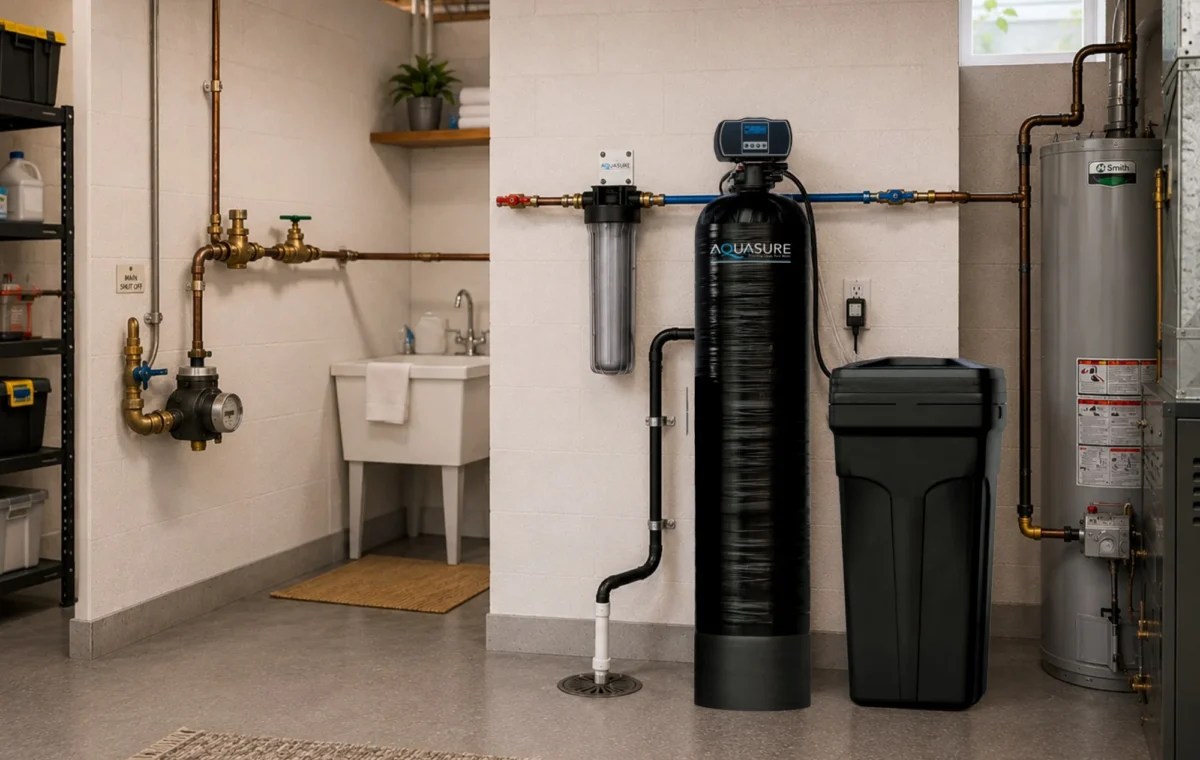
A conventional water softener tackles this issue through ion exchange. Water passes through resin beads that capture calcium and magnesium and release other ions, commonly sodium. The resin eventually needs regeneration using a salt solution, allowing the system to continue treating incoming water.
For households dealing with persistent scale, this can make a noticeable difference. Faucets may be easier to clean, soap can work more effectively, and appliances may experience less hardness-related buildup. The exact results depend on the original water quality and the equipment’s performance.
How Softer Water May Affect Your Skin and Hair
If you’ve ever stepped out of the shower feeling as though a thin layer of soap remains on your skin, you know how uncomfortable that can be. Hard water can react with soap to form residue, which may leave some people feeling less clean even after rinsing thoroughly.
One of the commonly discussed water softener benefits for skin and hair is the potential for a more comfortable washing experience. Because softened water contains fewer calcium and magnesium ions, soap and some cleansing products can lather more easily and leave less mineral-related residue.
Some people notice that their skin feels less dry or their hair is easier to manage after switching to softened water. Others notice little difference. Skin dryness can have many causes, including weather, bathing habits, personal care products, and underlying skin conditions, so softened water shouldn’t be treated as a guaranteed remedy.
It’s also worth distinguishing comfort from medical treatment. A water softener doesn’t cure eczema, eliminate allergies, or replace appropriate skin care. If persistent irritation is a concern, speak with a qualified healthcare professional rather than assuming water hardness is the only explanation.
For everyday bathing, however, reducing mineral residue may be a welcome improvement, especially in homes where hard water has been a long-standing frustration.
Reverse Osmosis and Hard Water: Are They the Same Solution?
Reverse osmosis is another widely used water treatment technology, but it serves a different purpose. Rather than treating the entire household’s water supply in the same way as a conventional softener, reverse osmosis typically uses a semipermeable membrane to reduce many dissolved substances in the water passing through it.
When considering reverse osmosis for hard water, it’s important to understand that reverse osmosis can reduce hardness minerals in the treated stream, but it isn’t usually the first choice for protecting every pipe, shower, and water-using appliance in a home.
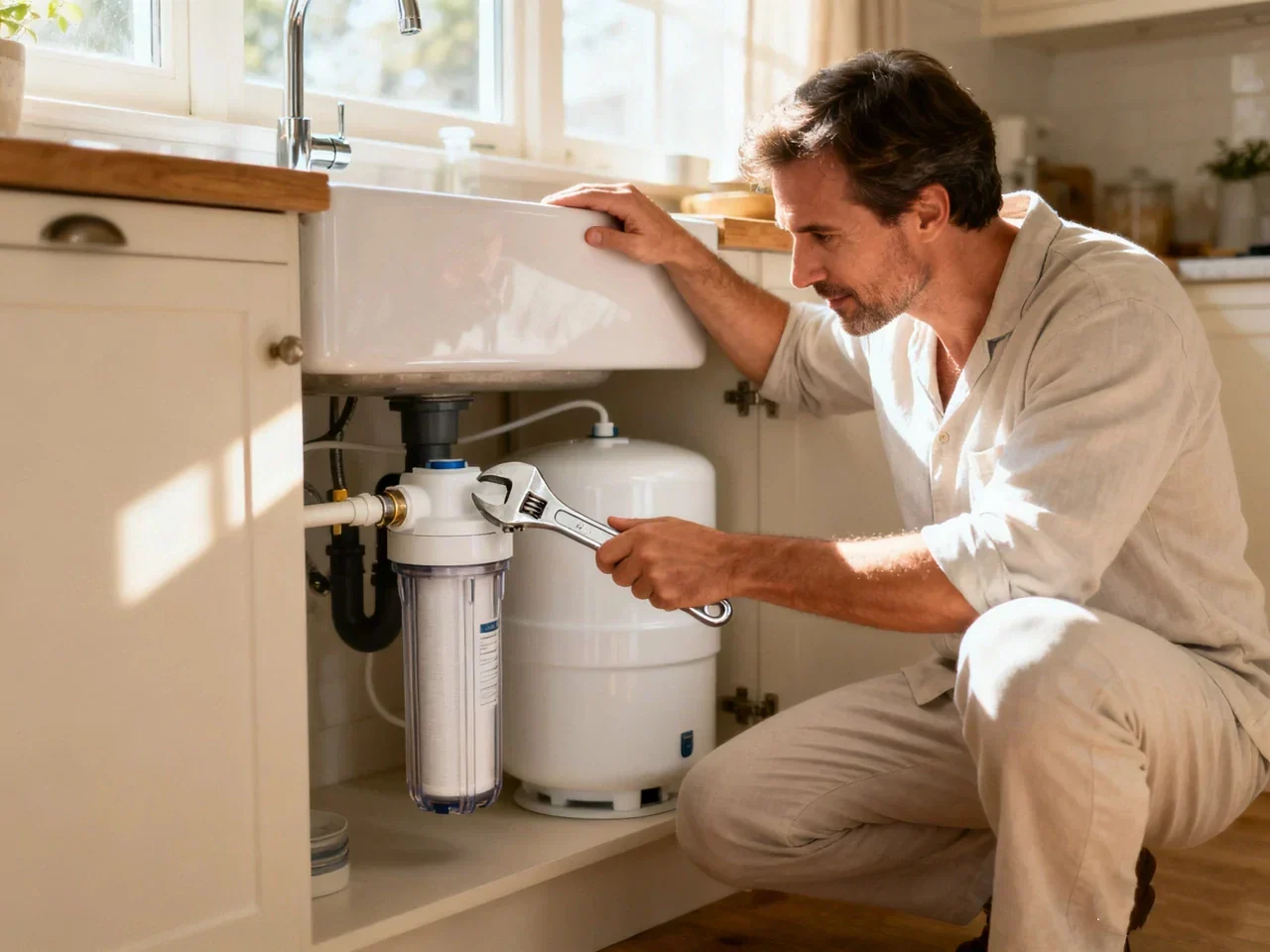
A typical under-sink reverse osmosis unit treats water at a dedicated drinking-water faucet. Depending on the system, it can reduce certain dissolved salts, metals, and other substances. Its effectiveness varies by model and contaminant, so check independent certification and performance claims before purchasing.
A water softener, by contrast, is commonly installed where water enters the home. It reduces hardness throughout the plumbing, helping limit scale in showers, washing machines, and water heaters.
Some homes benefit from both technologies. A softener can handle whole-house hardness, while reverse osmosis provides additional treatment for drinking and cooking water. In some installations, pretreatment also helps protect the reverse osmosis membrane from scale.
But not every household needs two systems. Water testing should guide the decision, not a sales pitch or the assumption that more equipment automatically means better water.
The Environmental Side of Water Softening
Water treatment has practical benefits, but it’s sensible to consider what happens beyond the kitchen tap. Conventional ion-exchange softeners use salt during regeneration and produce wastewater containing the ions removed from the resin, along with the regenerating solution.
The water softener environmental impact depends on factors such as system efficiency, water hardness, household consumption, and how often regeneration occurs. Poorly configured equipment may use more salt and water than necessary. In areas where wastewater treatment or local ecosystems are sensitive to elevated salt levels, discharge can also be a concern.
That doesn’t mean every water softener is environmentally harmful or that every home should avoid one. It means choosing and operating the equipment thoughtfully matters.
Look for a properly sized model with efficient regeneration controls. Demand-initiated systems regenerate based on water usage or measured capacity rather than relying solely on a fixed schedule. Correct settings can reduce unnecessary salt and water consumption.
Homeowners should also check local guidance. Some communities have restrictions or recommendations concerning salt-based softeners because of wastewater or environmental concerns. Alternatives, including different treatment approaches, may be worth investigating where those concerns apply.
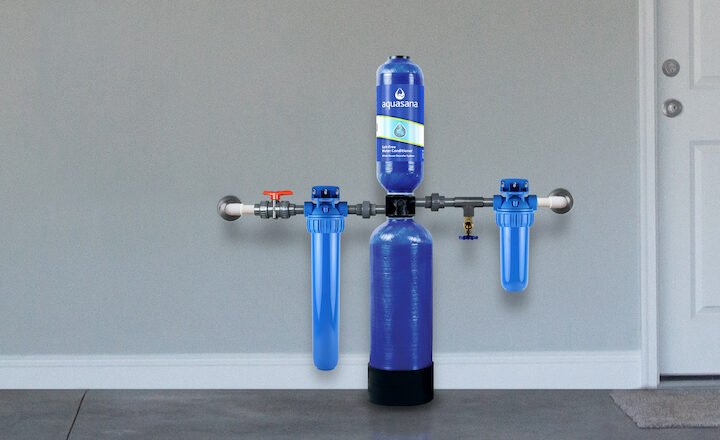
Be cautious with products marketed as salt-free softeners. Many are actually water conditioners that aim to reduce scale formation without removing calcium and magnesium through conventional ion exchange. They may be useful in certain situations, but they don’t produce the same result as a traditional softener.
Keeping Your System Working Efficiently
Installation is only the beginning. Like any household equipment, water treatment systems need occasional attention to perform as intended.
For a salt-based softener, keep an eye on the salt level and follow the manufacturer’s instructions for cleaning and maintenance. Check for salt bridging, where hardened salt forms a crust above an empty space in the brine tank, preventing proper regeneration. If water suddenly feels hard again or scale begins returning, the system may need inspection.
Reverse osmosis units require their own routine. Prefilters and postfilters need replacement at the recommended intervals, while the membrane has a separate service life that depends on water quality and usage. A noticeable drop in flow or a change in taste can be a reason to check the equipment.
Neither system should be expected to remove every possible contaminant. If drinking-water safety is a concern, use appropriate testing and select treatment certified for the specific substances you need to reduce.
Finding a Practical Balance for Your Home
Better water doesn’t have to mean buying the most complicated system on the market. It starts with identifying the problem and choosing a treatment method that addresses it without creating unnecessary costs or maintenance.
If scale is building up across the house, a properly sized water softener may be worth considering. If your main concern is drinking-water taste or particular dissolved substances, reverse osmosis may be more suitable. And if you’re concerned about salt use or wastewater, compare efficient models and investigate alternatives before deciding.
Ask questions about installation, operating costs, maintenance, and product certification. Most importantly, understand what the system can and cannot do.
Water is part of everyday life, from the first shower in the morning to washing dishes after dinner. When treatment is chosen carefully, those ordinary routines can become a little easier. The goal isn’t perfect water in some abstract sense; it’s water that meets your household’s needs, works well with your plumbing, and can be managed responsibly for years to come.