There are certain things we expect to work without much thought. The lights switch on, the refrigerator keeps food cold, and water flows when we turn the tap. It’s easy to take that last one for granted until something changes. Perhaps the water develops an unusual smell, leaves orange stains around the sink, or tastes different from one week to the next. Sometimes, the issue is simply mineral buildup. Other times, it deserves a closer look.
Understanding your household water doesn’t have to be complicated. A few practical checks, appropriate testing, and a better understanding of treatment options can help you make informed decisions. The goal isn’t to buy every filter on the market. It’s to identify what’s happening with your water and find a solution that genuinely fits your needs.
Why Water Quality Can Vary From One Home to Another
Water quality depends on several factors, including the original source, local geology, treatment processes, and the condition of plumbing and storage equipment. Two homes on the same street may even experience different issues if one uses a private well and the other receives municipal water.
Hard water is a common concern. Calcium and magnesium can leave white deposits on faucets, reduce soap lather, and contribute to scale in water heaters. Iron may cause reddish stains, while sediment can make water appear cloudy. Chlorine, which is commonly used in municipal treatment, may create a noticeable taste or smell.
These signs are useful clues, but they don’t tell the whole story. Water can look clear and still contain contaminants that require laboratory analysis to identify. That’s why it’s important to distinguish between improving the appearance or taste of water and confirming that it meets relevant safety standards.
How Water Filtration Can Improve Everyday Life
A suitable water filtration system can address specific water quality concerns and make daily household routines more comfortable. However, filters work in different ways, and choosing the right technology matters more than buying the most expensive unit.
Sediment filters capture suspended particles such as sand, dirt, and rust. Activated carbon filters can reduce chlorine taste and odor, along with certain other substances when the product is designed for that purpose. Specialized systems may target particular contaminants, while reverse osmosis uses a semipermeable membrane to reduce many dissolved substances.
The best choice depends on the problem you’re trying to solve.
For example, a family that dislikes the chlorine taste of its tap water might find that a certified carbon filter meets its needs. A household with elevated levels of a particular dissolved contaminant may require a different treatment technology. Meanwhile, a home struggling with mineral scale may benefit from a water softener rather than a standard drinking water filter.
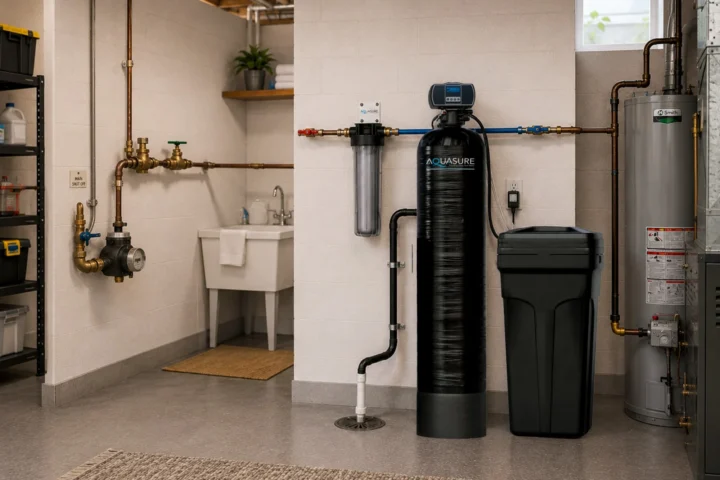
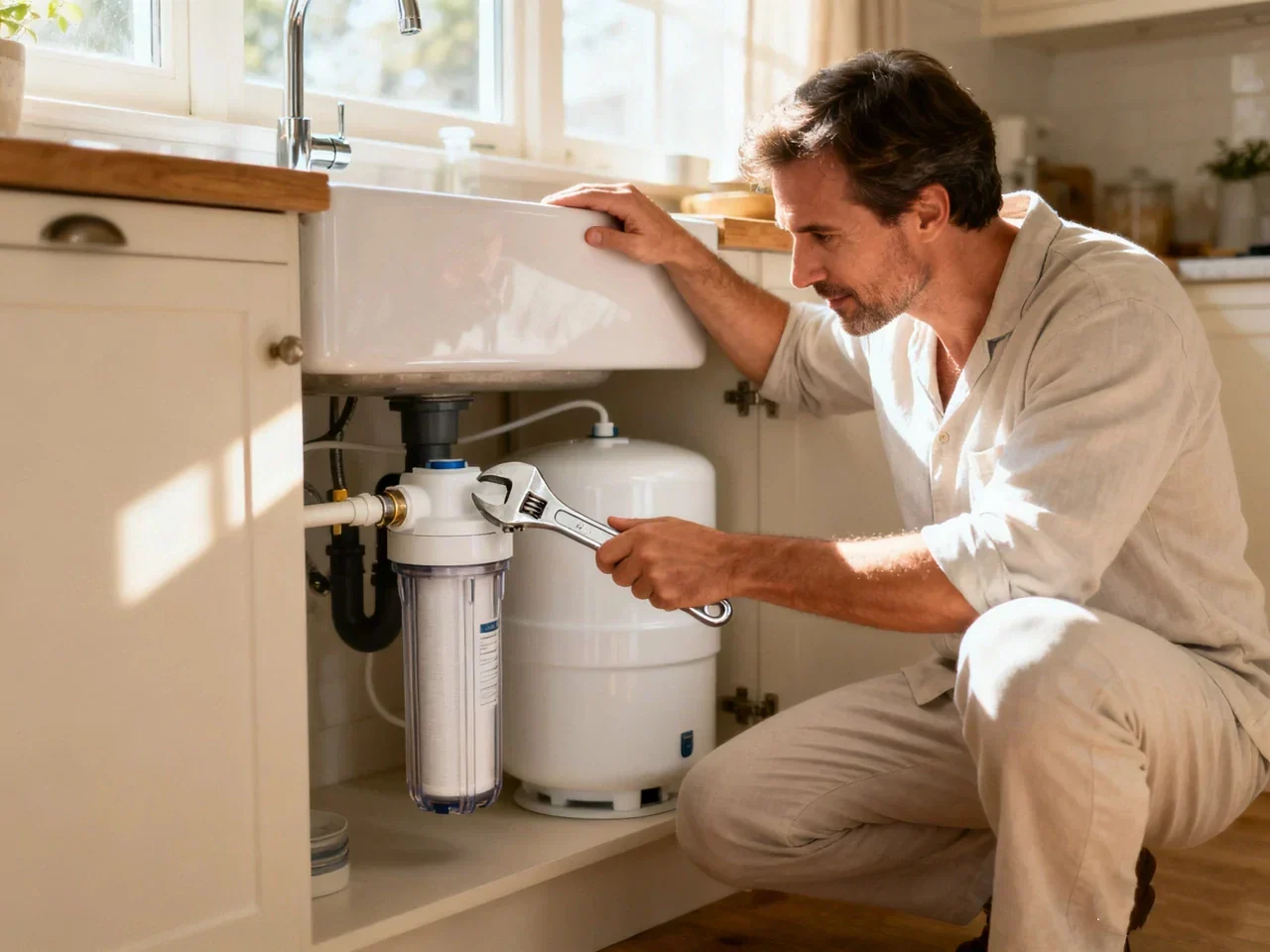
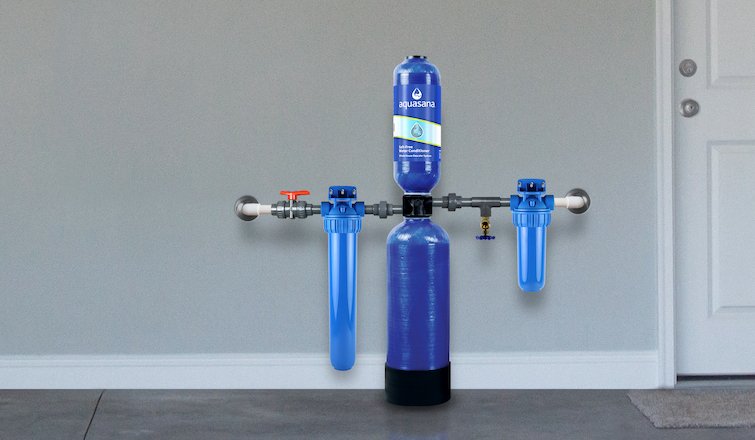
Whole-house systems treat water entering the property and can address selected concerns at multiple taps. Point-of-use systems, such as under-sink filters, focus on a specific location, often the kitchen.
Before purchasing equipment, check the manufacturer’s specifications and independent certifications. No single filter removes everything, and maintenance is essential. Filters need replacement according to the manufacturer’s instructions to maintain their intended performance.
Why Laboratory Testing Matters
When water develops an unusual taste or leaves persistent stains, it’s tempting to choose a treatment system immediately. But buying equipment before understanding the cause can waste both time and money.
Professional lab testing provides a more reliable picture of what’s present in your water. Depending on the source and suspected issues, a laboratory can analyze characteristics such as hardness, pH, iron, nitrates, lead, and microbial contamination.
The right testing panel depends on your circumstances. A municipal water customer might begin by reviewing the local supplier’s water quality report and then investigate any concerns related to household plumbing. Someone using a private well will generally need a broader testing plan tailored to local risks.
Laboratory results also help determine whether a problem is mainly aesthetic or potentially related to health. For example, mineral deposits may be inconvenient without indicating a health hazard, while certain contaminants can be present even when the water looks and tastes normal.
Choose a qualified laboratory that can explain which tests are appropriate and how samples should be collected. Follow its instructions carefully, since contamination during collection or incorrect handling can affect the results.
Once you receive the report, ask for clarification if any result is difficult to understand. A useful testing service should help you interpret the findings rather than simply provide a list of numbers.
What Homeowners With Private Wells Should Know
Private wells offer independence from municipal water systems, but that independence comes with responsibility. The homeowner is generally responsible for ensuring that the well and its water supply remain properly maintained.
Water well testing is particularly important because groundwater conditions can change over time. Heavy rainfall, flooding, nearby agricultural activities, damaged well components, or changes in surrounding land use may affect water quality.
Regular testing commonly includes bacteria and nitrates, with additional analyses based on local geology and potential contamination sources. Local health departments and environmental agencies can provide guidance on suitable testing schedules and regional concerns.
Don’t wait for visible changes before checking a private well. Some harmful microorganisms and chemicals have no distinctive taste, color, or odor. Testing is the only dependable way to identify many of these concerns.
The physical condition of the well matters, too. Keep the area around the wellhead clean, maintain proper drainage, and arrange inspections when needed. Make sure the well cap and other protective components remain in good condition.
If flooding occurs near the well or the water changes suddenly, avoid assuming that the supply is safe. Seek guidance from the relevant local authority or a qualified water professional about testing and any necessary precautions before using the water for drinking.
Understanding Your Water Test Results
A laboratory report can look intimidating at first, especially when it includes unfamiliar units, reference values, and technical terminology. Start by identifying which results fall outside the applicable guidelines or expected range.
Pay attention to what each measurement actually means. High hardness indicates elevated levels of minerals, while a positive bacteria result requires a different response from a high iron reading. Treating all these concerns with the same filter won’t necessarily work.
If a result indicates a potential health concern, follow the laboratory’s or relevant public health authority’s advice promptly. Don’t rely on taste, boiling, or an ordinary household filter unless the recommended approach specifically supports that action.
For less urgent issues, compare treatment options based on verified performance, installation costs, maintenance needs, and service availability. Keep a copy of the report so future results can be compared and changes can be identified.
Choosing a Treatment System That Fits Your Home
The right system should address your actual water conditions without making household maintenance unnecessarily complicated.
Ask how much water the equipment can handle, which substances it is designed to reduce, and whether it has suitable independent certification. Find out how often filters, membranes, or other components need replacement and what those replacements cost.
Installation also deserves attention. Some systems fit beneath a kitchen sink, while others need space near the main water supply. Whole-house equipment may require professional plumbing work, especially when several treatment stages are involved.
Think beyond the initial purchase price. Reliable servicing, readily available replacement parts, and straightforward maintenance can make a system more practical over the years.
Making Better Water Decisions for the Long Term
Clean, dependable household water begins with understanding what you have. Strange odors, staining, and mineral deposits can offer useful clues, but testing provides the evidence needed to make sensible decisions.
Choose treatment equipment based on verified results, maintain it according to the manufacturer’s recommendations, and arrange follow-up testing when appropriate. Private well owners should be especially consistent about monitoring their water supply.
There’s no need to turn water treatment into an expensive guessing game. Start with the source, investigate the concern, and select a solution that addresses it directly. With a little preparation and the right professional guidance, you can protect your household, avoid unnecessary purchases, and feel more confident about the water you use every day.