I have this bad habit of skimming past warranty information like it’s just legal filler nobody actually reads. Terms and conditions, warranty pages, all that stuff my eyes just glaze over on the way to the “buy now” button. That habit almost bit me when I was shopping for water treatment equipment, and honestly, it’s the one part of this whole process I’d tell anyone to slow down and actually pay attention to.
The Warranty Conversation I Almost Skipped Entirely
I was ready to sign with the first company that gave me a decent quote, genuinely ready to just move forward without asking much else. Then, almost as an afterthought, I asked about the warranty, mostly just to seem thorough rather than because I actually cared at that moment. Turns out that question mattered more than I expected — their coverage was surprisingly limited, something like one year on parts, nothing on labor after the first ninety days.
I compared that against another quote I’d gotten, which offered a full year warranty on parts and labor combined, and suddenly the price difference between the two companies made a lot more sense. The cheaper option wasn’t actually cheaper once you factored in what happens if something breaks down eighteen months in and you’re stuck paying full price for a repair that should’ve been covered. I nearly missed that distinction entirely just because I’d almost skipped the warranty conversation out of habit.
Why Skipping the Testing Step Almost Cost Me Too
Before any of the warranty stuff even came up, though, there was an earlier mistake I almost made — trying to skip straight to picking a system without bothering with proper water testing first. I figured I basically knew my problem already, hard water, obviously, so why waste time on formal testing when I could just describe the symptoms and let them recommend something.
One of the reps actually talked me out of that shortcut, which I appreciated in hindsight even though it annoyed me a little in the moment. Turns out my assumptions were only partially right — yes, hardness was an issue, but testing also revealed some sediment and mild chlorine byproduct presence I hadn’t accounted for at all. If I’d skipped that step like I’d wanted to, I would’ve ended up with a system that only solved half my actual problem, and probably wouldn’t have understood why the other half was still bugging me months later.
The Drinking Water Piece I Almost Forgot About Entirely
Here’s where I nearly made my biggest oversight of the whole process. I was so focused on solving the hardness and general water quality issues that I almost completely forgot about drinking water specifically, treating it as an afterthought rather than its own separate consideration worth actually researching.
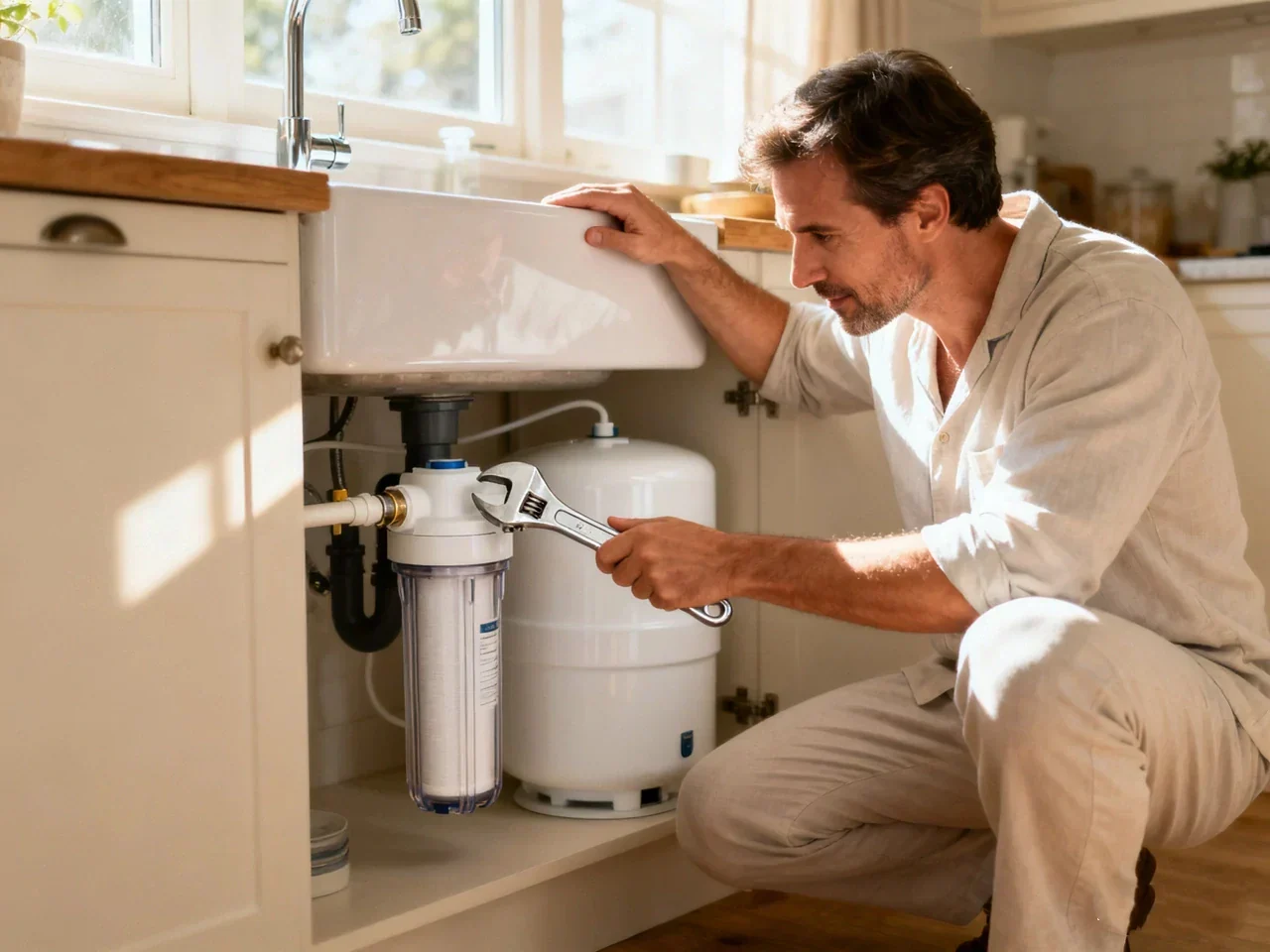
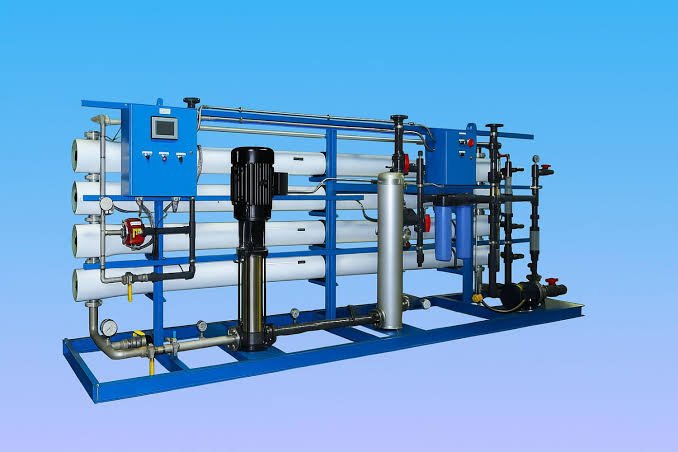
It wasn’t until a rep specifically asked what I wanted to do about drinking water that I even considered reverse osmosis systems as part of the conversation at all. I’d been so locked into fixing the whole-house problems that dedicated drinking water treatment hadn’t even crossed my mind as something separate worth addressing. Once he explained the difference — how reverse osmosis handles contaminants at a level standard filtration can’t touch — I realized I’d been about to finish this entire process without addressing the water I actually drink and cook with daily, which, in retrospect, seems like a pretty significant oversight for someone who started this whole thing because of weird-tasting water in the first place.
What Almost Slipping Up Taught Me
Looking back at how close I came to making three separate mistakes — skimming past warranty terms, skipping testing to save time, and nearly forgetting drinking water treatment entirely — it’s a little unsettling how easily this whole process could’ve gone sideways if I’d just moved as fast as my instincts wanted me to. Impatience nearly cost me on every front, and it was only asking a few extra questions, mostly out of habit rather than genuine diligence, that saved me from ending up with an incomplete or poorly covered system.
If you’re going through this process yourself, slow down more than feels necessary. Actually read the warranty terms instead of skimming past them. Don’t skip testing just because you think you already know your problem, because you might only be half right like I was. And don’t forget drinking water specifically just because you’re focused on the bigger whole-house issues staring you in the face. I nearly missed all three, and I got lucky mostly because a few good reps steered me back on track when my own impatience was ready to cut corners. Don’t count on that same luck yourself — just ask the questions upfront instead.