Water is one of those things most people only think about when something goes wrong. A strange taste appears in a glass. A coffee machine starts collecting scale. Faucets develop stubborn spots, or a business suddenly finds itself spending far too much on bottled water. These everyday problems often point to a bigger question: is the current water treatment setup actually doing what it should?
For homes, offices, restaurants, healthcare facilities, and industrial operations, water quality can affect much more than drinking. It can influence equipment performance, maintenance costs, hygiene, employee comfort, and the overall experience people have with a property. The right treatment approach depends on the source of the water, its chemistry, how much water is being used, and what contaminants need to be addressed.
Start With the Water, Not the Equipment
It’s tempting to choose a filtration system based on what looks impressive in a product brochure. But water treatment doesn’t really work that way. A system that performs beautifully in one building may be completely unnecessary—or insufficient—in another.
A proper water analysis is a sensible starting point. Testing can reveal issues such as hardness, chlorine, sediment, dissolved minerals, metals, or microbial concerns. Once those characteristics are understood, it becomes much easier to select equipment that has a specific purpose rather than adding treatment stages simply because they sound useful.
For commercial properties, this matters even more. A restaurant with heavy kitchen use has very different needs from a small office. A manufacturing facility may need tightly controlled process water, while a healthcare environment can have demanding sanitation requirements. There isn’t really a universal solution.
Why Commercial RO Systems Are So Widely Used
Reverse osmosis has become a familiar technology in commercial water treatment because it can significantly reduce many dissolved substances from water. During the process, water is pushed through a semi-permeable membrane under pressure. The membrane allows water molecules to pass while rejecting a large portion of dissolved contaminants.
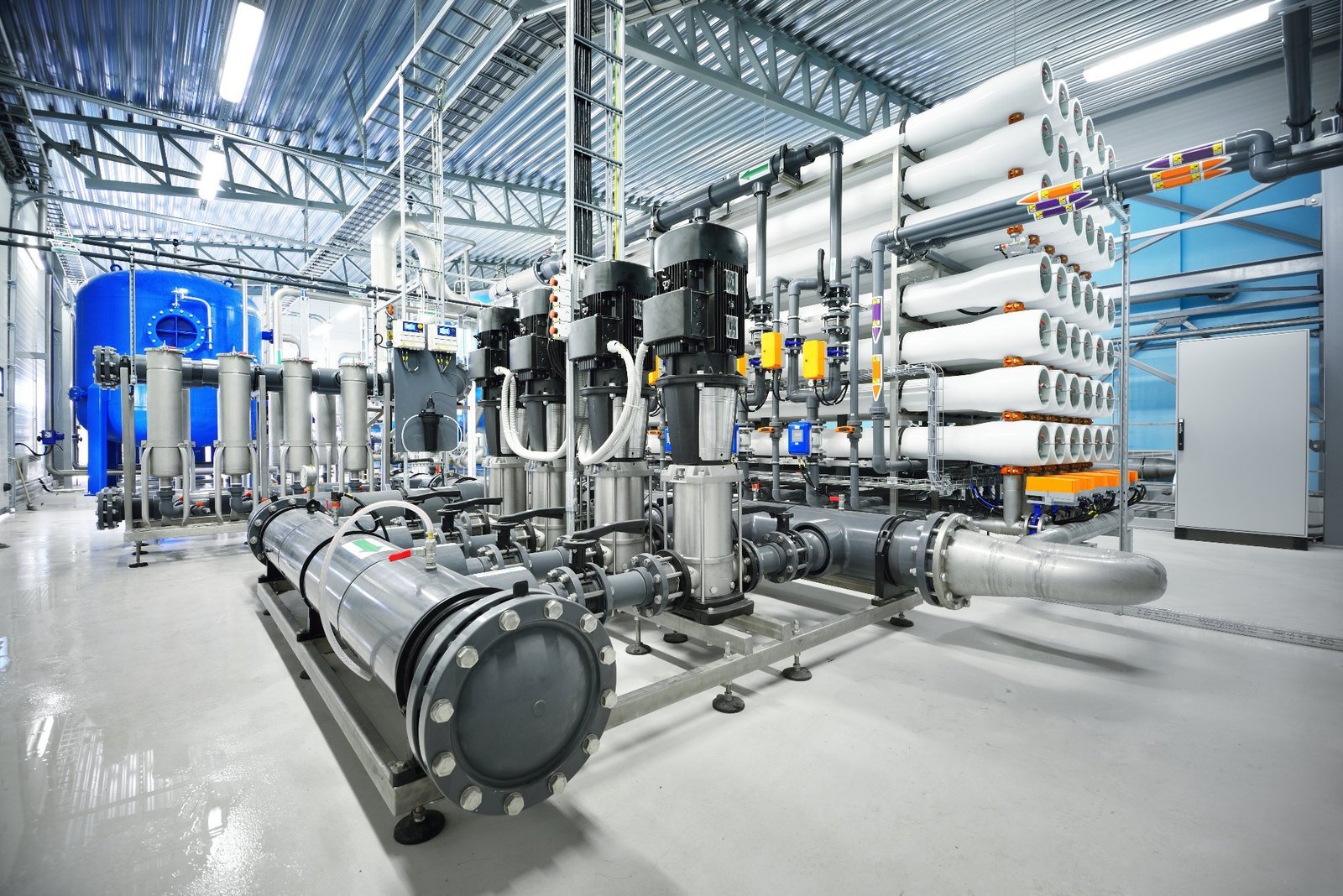
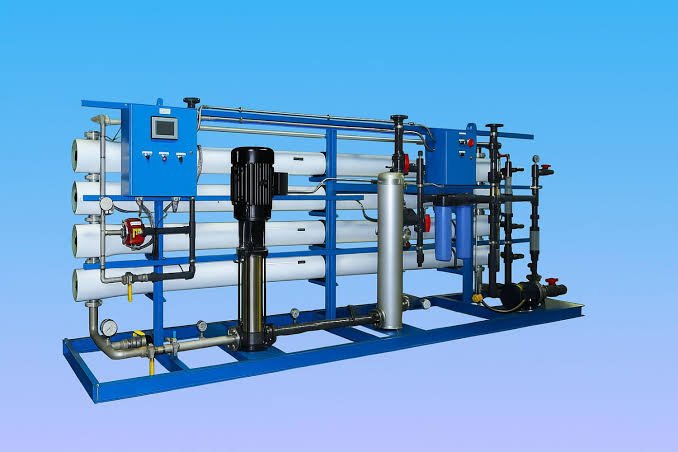
When designed correctly, commercial ro systems can be useful in restaurants, food-service operations, hotels, laboratories, manufacturing facilities, and other settings where consistent water quality is important.
The key phrase here is “designed correctly.” Reverse osmosis isn’t simply a matter of installing a membrane and forgetting about it. Pretreatment may be needed to protect the membrane from sediment, chlorine, hardness, or other issues. Flow rates, recovery rates, storage capacity, and daily demand also need consideration.
A system that is too small may struggle during busy periods. One that is unnecessarily large can increase costs without delivering meaningful benefits. Good system design is about matching technology to actual water demand.
When Highly Purified Water Is Necessary
Some applications require water with far fewer dissolved ions than ordinary filtration can provide. That’s where deionization can become valuable.
Deionization uses specialized resin materials to remove charged mineral ions from water. Depending on the application, it may be used alongside reverse osmosis or other treatment technologies to produce very low-mineral water.
In facilities where water purity directly affects a process, deionization & water sanitization may form part of a broader treatment strategy. Laboratories, certain manufacturing environments, and technical applications can have very specific purity requirements.
However, purification and sanitation aren’t interchangeable concepts. Removing dissolved minerals doesn’t automatically mean water is microbiologically safe. Sanitation addresses microorganisms and contamination risks through appropriate methods and controls. The two goals sometimes overlap within a treatment system, but they solve different problems.
That distinction is easy to overlook—and surprisingly important.
The Everyday Benefits of Better Water Treatment
Not every water treatment decision is about producing ultra-pure water. Sometimes the goal is simply making everyday water more pleasant and reducing problems around the building.
Hard water, for instance, can contribute to scale on fixtures and inside equipment. Chlorine can affect taste and odor. Sediment can make water look cloudy or interfere with plumbing components. Depending on the source, other contaminants may also require attention.
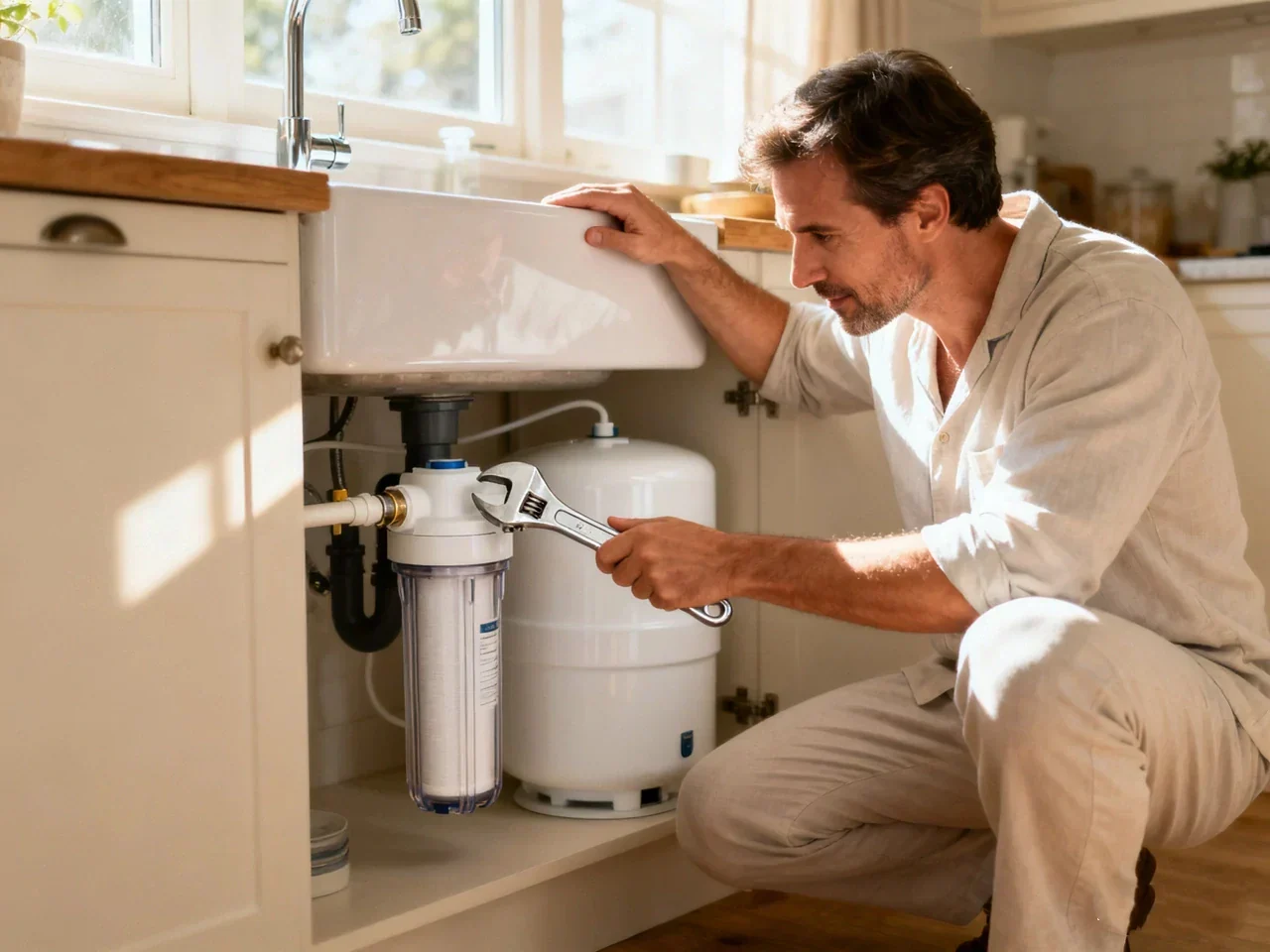
A well-planned filtration system can help address the specific issues identified through testing. For businesses, that can mean fewer complaints about drinking water, cleaner-looking fixtures, and potentially less wear on certain water-using equipment.
There’s also a less obvious benefit: confidence. Employees and customers may never notice a treatment system working in the background, but they notice when water tastes unpleasant or equipment isn’t performing properly.
Moving Beyond Bottled Water
Bottled water has its place, but relying on cases of disposable bottles for everyday workplace hydration can become expensive and inconvenient. Someone has to order them, store them, move them, and eventually deal with all those empty containers.
For offices and commercial spaces, bottleless water coolers offer another approach. These units connect directly to a water supply and typically use filtration to improve the water before dispensing it.
The appeal is pretty straightforward. There are no large stacks of bottled water taking up storage space, and employees can access drinking water without waiting for another delivery. Depending on the system and usage, businesses may also reduce the amount of single-use plastic they consume.
Of course, bottleless equipment still needs maintenance. Filters need replacement, connections should be checked, and the unit should be kept clean. Convenience doesn’t mean completely maintenance-free.
Choosing the Right System for a Commercial Property
Before investing in water treatment equipment, businesses should consider a few practical questions.
What is the water source? Municipal water and private wells can present very different treatment challenges.
What contaminants are present? Testing should guide the treatment strategy rather than assumptions.
How much water is used each day? Peak demand matters just as much as average consumption.
Where is treated water needed? A facility may need different treatment at drinking stations, kitchens, production lines, or specialized equipment.
What maintenance is realistic? Even excellent equipment won’t perform well if filters and membranes are neglected.
Cost matters, naturally, but the cheapest installation isn’t always the least expensive option over time. Energy consumption, replacement filters, membrane life, servicing, downtime, and water waste can all affect the true operating cost.
A Practical Investment in Water Quality
Good water treatment isn’t about buying the most complicated system available. It’s about understanding the water first and then choosing technology that solves the actual problem.
For a small office, that might mean a straightforward drinking-water solution. For a restaurant, it could involve filtration and reverse osmosis to protect equipment and improve water quality. A manufacturing facility may need several treatment stages working together.
The best systems tend to have one thing in common: they are built around the needs of the people and processes using the water.
Water may seem simple when it comes out of a tap, but its chemistry can be surprisingly complicated. Taking the time to test it, understand it, and treat it appropriately can make everyday operations smoother—and sometimes save a business from a lot of headaches down the road.