Most people don’t think much about their water treatment system until something goes wrong. The kitchen tap starts running slowly, a filter housing develops a drip, or the water no longer tastes quite as fresh as it did a few weeks ago. These aren’t always signs of a major failure, but they are good reminders that even dependable equipment needs a little attention.
Water treatment systems often contain several components working together behind the scenes. Each has a specific role, and a problem with one small part can affect how the entire setup performs. Understanding those details helps homeowners make better maintenance decisions and avoid replacing equipment unnecessarily.
Why Every Component Has a Job
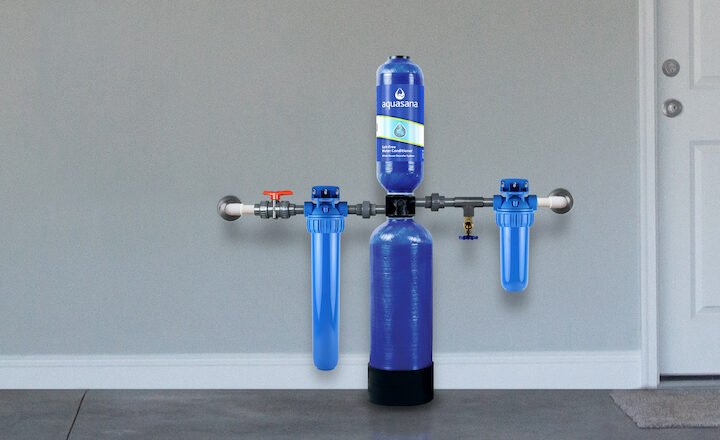
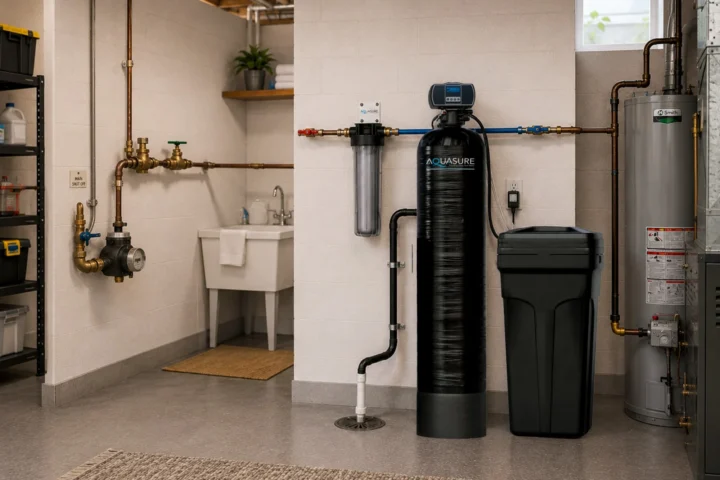
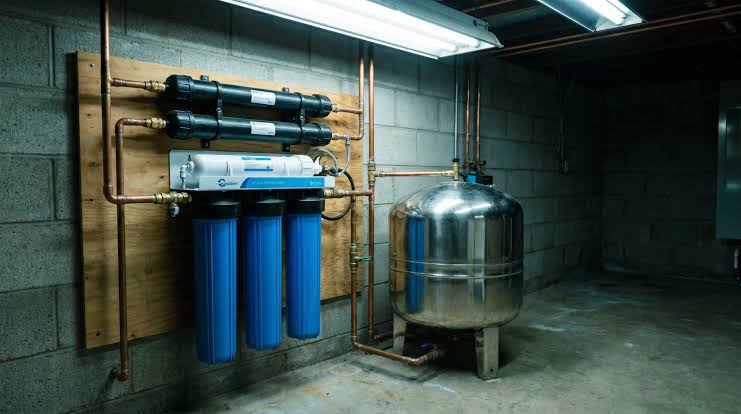
A water treatment system isn’t simply a box that makes water cleaner. Depending on its design, it may include sediment filtration, activated carbon, softening, reverse osmosis, or disinfection equipment. The components are selected to address particular water conditions, and their order can matter.
For example, a sediment filter may capture particles before water reaches a more delicate membrane. Carbon media can reduce certain tastes, odors, and compounds, while a softener addresses hardness minerals. In a reverse osmosis system, several stages may work together to protect the membrane and improve the finished water.
When a system isn’t performing as expected, it helps to understand which component does what. Replacing a part at random can be expensive, and it may not resolve the original issue. Start with the manufacturer’s troubleshooting guidance, note what has changed, and arrange testing or professional inspection when the cause isn’t clear.
Check the Connections Before Assuming the System Has Failed
A small leak beneath the kitchen sink can cause a surprising amount of frustration. Sometimes the source is a worn seal or a loose fitting rather than a failed filter. Connections deserve particular attention after installation or routine servicing, when housings and tubing may have been disturbed.
Many systems use push-fit or threaded connectors to join tubing, housings, and other components. The correct type and size are important because connections must match the equipment’s specifications and withstand the operating pressure. A fitting that appears to fit may still be unsuitable for the application.
If you notice moisture around a connection, don’t simply tighten everything as hard as possible. First follow the manufacturer’s instructions for safely shutting off the water supply and relieving pressure. Inspect the area for visible damage, and use only approved parts and procedures. Some connections require a particular seal or insertion depth, while others should be handled by a qualified installer.
Never ignore a persistent drip, even if it seems minor. Water can damage cabinet materials, flooring, and nearby belongings over time. If you can’t identify the source or the leak continues after an appropriate check, arrange professional service.
The Role of Post-Filtration Components
Some treatment systems include an additional stage after the main filtration process. Its purpose depends on the system design. In a drinking-water setup, a carbon stage after reverse osmosis may help improve taste by reducing certain residual compounds. Other systems may use a different finishing component for a specific treatment objective.
These post filters should be selected according to the equipment manufacturer’s specifications. Not every system needs the same final stage, and adding an extra cartridge doesn’t automatically make the water safer or better. The filter must be suitable for the intended use and supported by appropriate performance information.
Replacement timing also matters. A cartridge that has exceeded its recommended service life may lose effectiveness, even if the water still looks clear. Follow the stated schedule, taking account of household usage and any guidance based on local water conditions.
After changing a post-filter, follow the manufacturer’s flushing instructions before using the treated water. This helps clear air and loose particles that may be present after servicing. Check the connections carefully and watch for leaks during the first use.
If the water’s taste changes soon after a new filter is installed, don’t assume the cartridge is defective immediately. Confirm that the correct model was fitted, that it was installed in the right direction where applicable, and that the system was flushed properly. If the problem persists, seek advice from the manufacturer or a qualified technician.
Choosing the Right Replacement Materials
Filter cartridges and other consumable components eventually reach the end of their useful life. The timing varies according to the type of media, the incoming water, the amount of water treated, and the system’s operating conditions. A household using large volumes of water may need more frequent servicing than one with lower demand.
When ordering replacement media, check the exact system model and the manufacturer’s recommended specification. Different materials target different substances. Sediment media, activated carbon, softening resin, and reverse osmosis membranes aren’t interchangeable simply because they fit within a similar housing.
It’s also worth considering the long-term availability and cost of consumables before purchasing a new treatment system. A unit with a low initial price may become less economical if its required cartridges are difficult to find or expensive to replace. Ask about expected service intervals, maintenance procedures, and the availability of genuine compatible parts.
Keep a record of when each component was installed. A simple note on your phone can prevent missed changes and make it easier to explain the system’s history if a problem develops. If the water source changes significantly, retesting may also help determine whether the existing treatment setup remains appropriate.
When DIY Maintenance Makes Sense—and When It Doesn’t
Some routine tasks are manageable for homeowners. Replacing a cartridge, checking for visible leaks, or recording service dates may be straightforward when the manufacturer provides clear instructions. Even so, it’s important to follow the correct shutdown procedure and avoid working on equipment that remains pressurized or electrically energized.
More complicated repairs deserve a different approach. Problems involving electrical controls, ultraviolet disinfection units, pressure vessels, plumbing alterations, or persistent contamination concerns may require qualified assistance. An incorrect repair can damage the equipment or undermine its intended performance.
If you suspect that water may be unsafe, don’t rely on a filter change alone. Use an appropriate test and follow guidance from your local water authority or health department. Treatment devices are designed for specific purposes, and no single system removes every possible contaminant.
Keep the System Working as Intended
Reliable water treatment comes from choosing suitable equipment and looking after it consistently. Check connections, replace consumables on schedule, and pay attention when water pressure, taste, or appearance changes. These small habits can prevent avoidable disruptions and make maintenance less stressful.
Before buying parts or adding another filtration stage, identify the problem and confirm what your system actually requires. A little preparation goes a long way. When each component is compatible, properly installed, and maintained according to the manufacturer’s guidance, your water treatment setup is better positioned to deliver dependable performance day after day.