Good water makes everyday life a little easier. Your morning coffee tastes better, laundry comes out feeling fresh, and cleaning the kitchen doesn’t turn into a battle against stubborn mineral marks. Most of the time, we don’t think about these things until something changes. A strange odor from the tap or a crusty buildup around the showerhead can quickly make water quality a household concern.
The good news is that there are practical ways to address many common water problems. The challenge is choosing equipment that matches your needs. Some systems focus on drinking water, others reduce mineral hardness, and some treat water throughout the entire home. Understanding what each option does can help you make a confident decision without spending money on unnecessary features.
Start With What’s Actually in Your Water
Before purchasing equipment, take a closer look at your water supply. The right treatment depends on whether you’re dealing with chlorine taste, hard water, sediment, or possible microbial contamination. These problems can look similar at first, but they require different approaches.
Municipal water is generally treated to meet applicable drinking water standards. However, taste and odor can still vary, and plumbing conditions inside a property may affect the water reaching your tap. Private wells need particular attention because groundwater can contain naturally occurring minerals, bacteria, or other contaminants depending on local conditions.
A water quality test can help separate assumptions from facts. For municipal supplies, reviewing the local water quality report is a useful starting point. If you use a private well, consider testing through a qualified laboratory for contaminants relevant to your location and water source.
Testing is worth the effort because a system designed for one issue may do little for another. A basic carbon filter, for example, may improve chlorine taste but won’t necessarily remove dissolved minerals or make microbiologically unsafe water safe to drink.
When UV Treatment Is the Right Choice
Microbial contamination deserves careful attention, particularly for households that depend on untreated or inadequately treated well water. Bacteria, viruses, and certain other microorganisms can create health risks even when water looks perfectly clear.
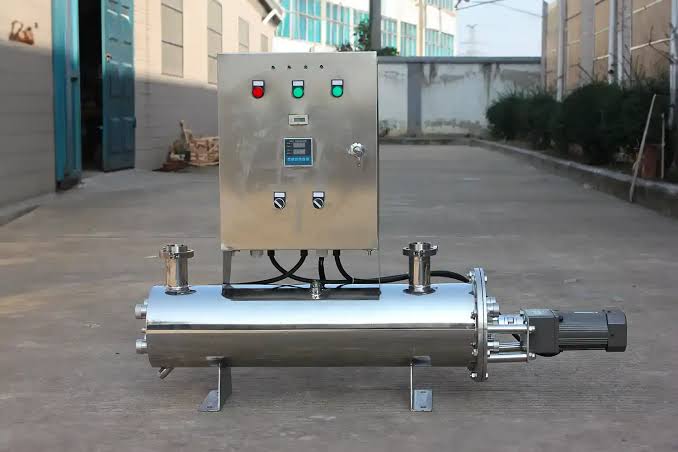
A UV system uses ultraviolet light to inactivate susceptible microorganisms as water passes through a treatment chamber. When correctly sized and operated, it can provide an additional layer of protection without adding a chemical disinfectant to the water.
UV treatment has several advantages. It generally doesn’t change water taste, doesn’t add a chemical residual, and can operate continuously as water flows through the unit. For some private well owners, it can be a useful component of a broader treatment plan.
However, UV isn’t a universal solution. It doesn’t remove dissolved chemicals, heavy metals, or hardness minerals. Water must also have suitable clarity because suspended particles can interfere with light reaching microorganisms. Depending on the water quality, sediment filtration or other pretreatment may be necessary.
Installation and maintenance matter just as much as the equipment itself. The system needs appropriate flow rates, sufficient UV exposure, a functioning lamp, and regular servicing according to the manufacturer’s instructions. A qualified water treatment professional can help determine whether UV is appropriate for your supply and what additional steps may be required.
Dealing With Hard Water Throughout the House
Hard water is one of those household problems that often becomes noticeable gradually. At first, you might see a few white spots on the bathroom faucet. Later, soap seems less effective, towels feel different after washing, and mineral deposits begin appearing inside kettles or around showerheads.
These effects are commonly associated with calcium and magnesium dissolved in the water. Hardness is not generally a health concern at typical household levels, but it can create maintenance issues and make everyday cleaning more difficult.
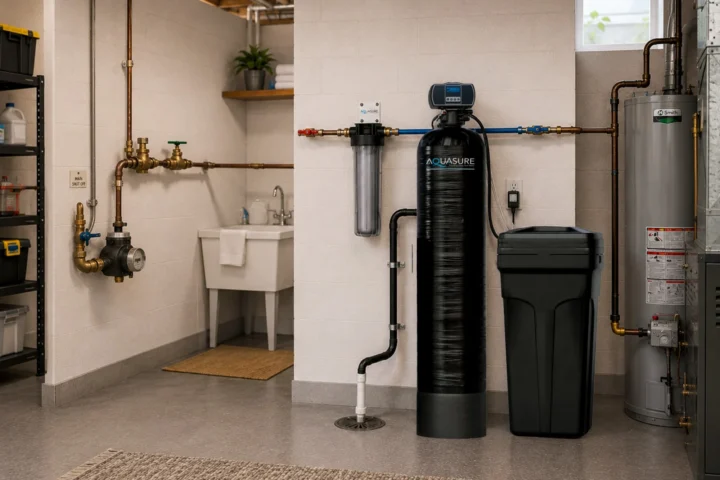
A water softener can help when hardness is the main concern. Conventional salt-based softeners use ion exchange to reduce calcium and magnesium, replacing them with sodium or, in some systems, potassium ions. This can reduce scale formation and improve the performance of soaps and detergents.
A whole-home softener treats water entering the property, so the benefits can extend to bathrooms, laundry equipment, and hot-water appliances. That’s useful when hard water affects more than one faucet.
Before installation, have the hardness level measured and consider your household’s water consumption. An undersized unit may struggle to meet demand, while an unnecessarily large system can add cost without providing meaningful benefits. Also ask about salt use, regeneration frequency, drainage requirements, and ongoing service.
If you’re concerned about sodium in softened water, discuss alternatives with a qualified professional. Some households choose to maintain a separate drinking-water tap or use another treatment method for water used in cooking and drinking.
Whole-House Filtration: Treating Water at the Entry Point
Sometimes the concern isn’t limited to one drinking-water faucet. Sediment may affect multiple fixtures, iron can leave reddish stains, or chlorine taste and odor may be noticeable at several taps. In these situations, treating water as it enters the property may be worth considering.
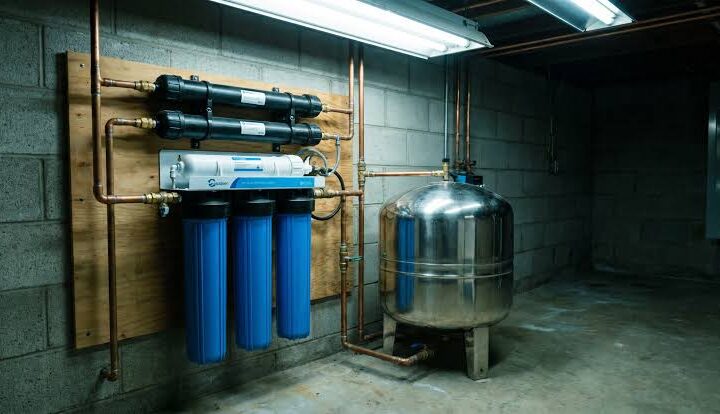
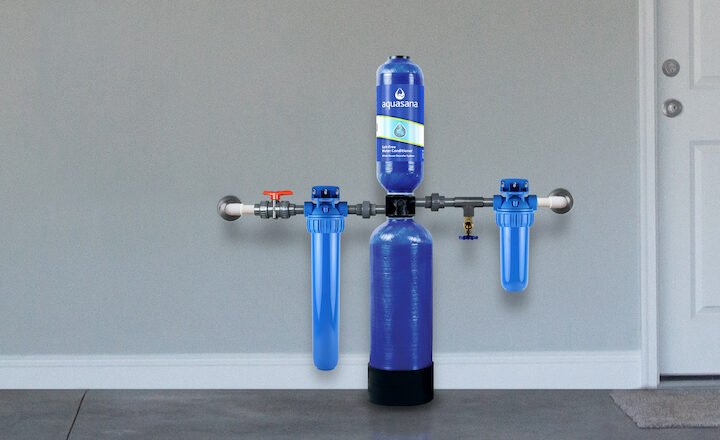
A whole house filter is installed at the point where water enters the home. Depending on its design, it may reduce sediment, chlorine, certain organic compounds, or other targeted substances. Some systems combine multiple filtration stages to address more than one issue.
The important detail is that whole-house filters aren’t all built alike. A sediment cartridge is designed to capture particles, while activated carbon targets certain chemicals and taste or odor concerns. Specialized contaminants may require entirely different treatment technologies.
Before choosing a model, identify which substances need to be reduced and check the manufacturer’s independently verified performance claims. Don’t assume a filter labeled for general water purification will remove every contaminant.
Flow rate is another consideration. A system needs to supply enough water for showers, laundry, kitchen use, and other household activities happening at the same time. An overly restrictive filter can affect water pressure, especially when cartridges become clogged or aren’t replaced as recommended.
Can You Combine Different Treatment Systems?
Yes, and in some homes, combining technologies is the most sensible approach. The trick is to choose each component for a clear reason rather than installing several products simply because they are available.
For example, a private well might need sediment filtration followed by UV disinfection if testing identifies microbial concerns. A home with hard water and a chlorine taste issue may benefit from a softener alongside appropriately selected carbon filtration. Drinking water may require additional point-of-use treatment if specific dissolved contaminants are present.
The correct order of treatment matters, too. Sediment removal can protect downstream equipment, while the performance of certain disinfection systems depends on pretreatment. A professional assessment can help determine the proper sequence and whether all the proposed components are necessary.
Think About Maintenance Before You Buy
Every treatment system needs some level of care. Filters become exhausted, UV lamps need replacement, and water softeners require periodic replenishment and servicing. Ignoring these tasks can reduce performance and increase the likelihood of unexpected problems.
Ask for the expected annual maintenance costs before purchasing a system. Find out how often parts need replacing, whether replacement cartridges are readily available, and what the warranty covers. Keep records of installation dates, filter changes, and water test results so you can spot changes over time.
Private well owners should continue testing their water even after installing treatment equipment. A filter or disinfection unit is not a substitute for monitoring the original water source.
A Better Choice Starts With a Clear Plan
Improving household water doesn’t have to mean replacing everything or investing in the most complicated equipment on the market. Start by understanding your water, decide which problems matter most, and compare systems based on their proven capabilities.
UV treatment can help control microorganisms, softeners address mineral hardness, and whole-house filters can target selected contaminants across the property. Each has a place, but none is the right answer for every household.
When your choice is based on reliable testing, realistic expectations, and manageable maintenance, water treatment becomes a practical investment rather than a guessing game. The result is a home where water works the way you need it to, day after day.