Have you ever noticed a thin crack running across your ceiling or a raised seam appearing along a previously smooth wall? At first, these imperfections might seem insignificant. But once you’ve noticed them, they’re surprisingly difficult to ignore.
Drywall provides the foundation for attractive interior spaces, yet it’s also susceptible to everyday wear, accidental impacts, moisture exposure, and building movement.
Even a beautifully furnished room can lose some of its charm when the surrounding walls and ceilings appear damaged.
Fortunately, restoring these surfaces doesn’t always require extensive renovation. With accurate assessment, appropriate repair techniques, and careful finishing, many imperfections can be corrected while preserving the surrounding materials.
The important thing is understanding why the damage occurred and choosing a solution that offers more than a temporary cosmetic improvement.
Restoring Smooth Surfaces by Addressing Cracks and Seams
Cracks and visible seams can develop in drywall for several reasons. Seasonal humidity changes, natural building movement, deteriorating joint tape, and inadequate original installation may all contribute to surface imperfections.
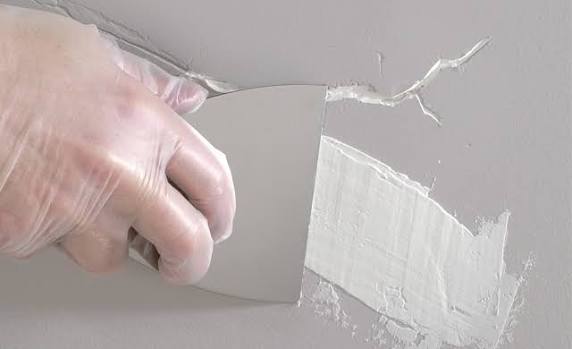
Professional crack & seam repair involves examining affected areas, identifying potential causes, and using appropriate materials to restore a smooth, consistent finish.
Consider a living room where a narrow crack has appeared along the joint between two drywall panels. Simply covering it with paint might temporarily disguise the imperfection, but the crack could eventually become visible again.
Depending on the circumstances, repairing the affected joint may involve removing deteriorated material, replacing damaged joint tape, and applying suitable joint compound.
Careful sanding and surface preparation help the restored section blend naturally with the surrounding wall.
However, not all cracks should be treated as ordinary cosmetic problems.
Recurring cracks, widening gaps, or diagonal cracks accompanied by sticking doors and windows may indicate underlying building movement that requires specialist evaluation.
Understanding the difference between superficial imperfections and more significant concerns helps homeowners avoid repeatedly paying for ineffective repairs.
Giving Walls and Ceilings the Attention They Deserve
When homeowners think about interior restoration, walls generally receive most of their attention. Ceilings, however, can develop equally noticeable imperfections that affect a room’s overall appearance.
Professional wall and ceiling drywall repairs help restore damaged surfaces through suitable patching, panel replacement, joint restoration, and finishing techniques.
Perhaps an upstairs plumbing leak has left a discolored section on your dining room ceiling. Or maybe moving a large piece of furniture resulted in an accidental hole in the hallway wall.
Although these situations involve different types of damage, both require careful assessment before restoration begins.
Ceiling repairs can be particularly demanding because overhead surfaces often reveal imperfections when illuminated by natural light or artificial fixtures.
Matching existing textures and creating smooth transitions between repaired and undamaged areas requires patience and practical experience.
Moisture-related ceiling damage deserves immediate attention. The source of the leak must be identified and corrected, and affected materials should be evaluated before repairs proceed.
Sagging ceilings or significantly weakened drywall may present safety concerns and require urgent professional assessment.
Once the underlying issues have been resolved, quality restoration can help return the room to an attractive and comfortable condition.
Understanding What Causes Drywall to Deteriorate
Interior surfaces experience more stress than many homeowners realize. Everyday activities, environmental conditions, and occasional accidents can gradually affect their appearance and stability.
Recognizing the causes of drywall damage helps homeowners determine whether routine restoration is sufficient or whether a more comprehensive assessment is necessary.
Accidental impacts are among the most familiar causes. Door handles striking walls, furniture movement, and improperly mounted accessories can leave dents or holes behind.
Moisture presents another challenge. Leaking plumbing, damaged roofing, and excessive indoor humidity can contribute to discoloration, softening, and deterioration.
Poorly installed joint tape or insufficient fastening may also result in visible seams and surface cracks.
Imagine repeatedly repairing a damaged wall near a bathroom without realizing that a concealed leak is responsible. Until the moisture problem is resolved, the surface may continue deteriorating.
Identifying the original cause is an essential part of achieving dependable restoration.
Rather than concentrating exclusively on appearance, experienced professionals consider the condition of surrounding materials and any underlying concerns before recommending repairs.
Recognizing Warning Signs That Require Professional Attention
Some drywall imperfections are relatively harmless, while others deserve closer investigation.
Taking an occasional look at your walls and ceilings can help identify developing problems before they become more extensive.
Common warning signs include:
- Cracks that repeatedly return after previous repairs.
- Raised or peeling joint tape along drywall seams.
- Discolored patches and unexplained water stains.
- Soft, swollen, or crumbling wall sections.
- Noticeably sagging ceiling surfaces.
- Uneven joints and damaged wall corners.
Significant moisture damage, suspected mold, and potential structural movement may require qualified specialists rather than routine handyman assistance.
Older drywall compounds and textured ceiling materials may also require appropriate hazardous-material assessment before sanding, scraping, or removal.
Why Surface Preparation Is Essential for Attractive Results
A successful drywall restoration depends heavily on preparation. Even high-quality finishing materials may produce disappointing results when applied to inadequately prepared surfaces.
Repair compounds need sufficient drying time, and patched areas should be carefully blended with their surroundings.
Priming repaired surfaces before painting can help achieve more consistent color and coverage.
Texture matching is equally important in rooms with textured ceilings or walls. An obvious difference between the original surface and repaired section can distract from an otherwise attractive interior.
Discuss your desired finish with your repair professional and request an estimate that includes preparation, materials, and painting where applicable.
Preserving Your Interior Surfaces After Restoration
Once repairs are complete, simple preventive habits can help maintain your home’s appearance.
Installing suitable doorstops, using appropriate mounting hardware, and taking care when moving furniture may reduce accidental surface damage.
Address plumbing leaks and unusual moisture stains promptly.
Regular inspections can also help identify recurring cracks or joint deterioration before more extensive restoration becomes necessary.
Creating Beautiful Interiors With Thoughtful Drywall Restoration
Smooth walls and carefully finished ceilings contribute significantly to a home’s overall character. They provide an attractive backdrop for furniture, lighting, artwork, and personal decorations.
With timely repairs, suitable materials, and experienced workmanship, homeowners can restore damaged surfaces without unnecessary remodeling expenses.
Ultimately, maintaining beautiful interiors isn’t always about changing your surroundings completely. Sometimes, restoring the surfaces you already have is enough to make your entire home feel refreshed, comfortable, and welcoming again.