Hot water is one of those household comforts we rarely appreciate until it’s unavailable. A cold shower on a winter morning, a sink full of greasy dishes, or a bathtub that never quite reaches a comfortable temperature can quickly remind us how much we depend on it.
Every household has different hot water needs, influenced by family size, daily routines, seasonal changes, and the appliances used throughout the home.
Finding a reliable way to meet those requirements doesn’t necessarily mean investing in the most expensive heating system available. Sometimes, maintaining your current equipment or making a few practical adjustments can deliver noticeable improvements.
The important thing is understanding how your heating system works and recognizing when it deserves a little extra attention.
Understanding Your Household’s Hot Water Consumption
Think about what happens in your home on a typical weekday morning. Someone might be taking a shower while another family member prepares breakfast and starts the washing machine.
These overlapping activities can place considerable demand on your heating system.
A household with several occupants will generally require more heating capacity than a smaller apartment occupied by one or two people.
Daily habits matter just as much as household size, though. Long showers, frequent baths, and simultaneous appliance usage can increase demand considerably.
Understanding these patterns can help you determine whether your current equipment is appropriately sized.
If you’re constantly running out of warm water, the problem could involve insufficient capacity, declining equipment performance, or simply several activities competing for the same supply.
Why Regular Maintenance Is Worth Your Time
Most household appliances benefit from occasional servicing, and heating equipment is no exception.
Investing in appropriate water heater maintenance and repairs can help identify developing problems, preserve equipment performance, and reduce the likelihood of unexpected interruptions.
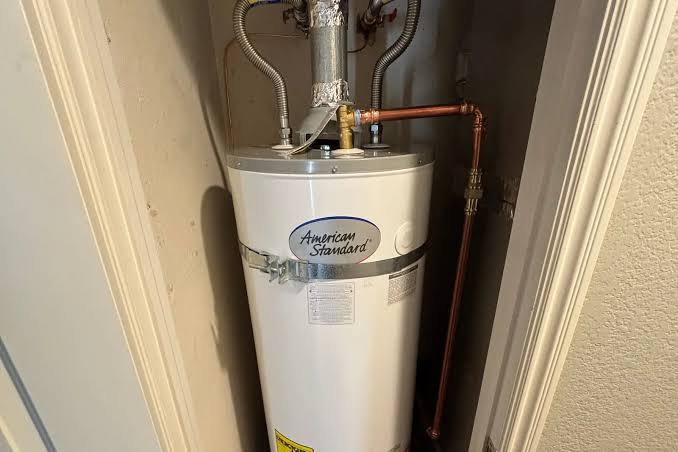
Storage tanks may accumulate sediment over time, particularly in areas with mineral-rich water. This buildup can contribute to unusual noises and affect heating performance.
Certain storage models also contain sacrificial anode rods that help protect the tank against corrosion. These components may require periodic inspection and replacement.
On-demand heating systems have their own maintenance requirements, including potential mineral scale removal.
Rather than waiting until something stops working, follow the manufacturer’s recommended servicing schedule.
A relatively straightforward maintenance visit may reveal concerns that would otherwise develop into expensive repairs.
Finding the Right Type of Heating System
Choosing new heating equipment can feel overwhelming when you’re presented with numerous models, technical specifications, and installation options.
Modern water heaters are available in several configurations, including conventional storage tanks, tankless units, and heat pump models.
Traditional storage systems maintain a reserve of heated water that’s available when required. They’re familiar and can be practical for households with predictable consumption patterns.
Tankless equipment heats water on demand, potentially reducing standby energy losses while providing continuous hot water within its rated capacity.
Heat pump models use heat from the surrounding air to warm water, offering potential energy savings under suitable installation conditions.
Each technology comes with advantages and limitations.
Consider available space, energy costs, installation requirements, and everyday usage before selecting a particular model. What works perfectly for your neighbor might not necessarily suit your household.
Recognizing the Warning Signs of Equipment Trouble
Heating systems don’t always fail suddenly. Sometimes, the earliest signs are small changes that become increasingly noticeable over time.
Perhaps the shower doesn’t remain warm for as long as it once did. You might hear unfamiliar popping sounds coming from the tank or notice moisture collecting around its base.
Unexpected temperature fluctuations can also indicate a developing problem.
These symptoms may result from sediment accumulation, malfunctioning components, corrosion, or other equipment concerns.
It’s generally worth arranging a professional inspection rather than repeatedly adjusting the temperature setting and hoping everything improves.
A leaking tank deserves particular attention because internal deterioration may require replacement.
Addressing problems early can help prevent additional damage and unnecessary inconvenience.
Making Better Use of Energy Without Sacrificing Comfort
Enjoying warm showers and clean laundry doesn’t have to mean wasting energy.
Simple changes in household habits can help reduce unnecessary consumption without making daily life uncomfortable.
Consider taking slightly shorter showers, repairing dripping hot water faucets, and using appropriate washing cycles whenever practical.
Suitable insulation around accessible hot water pipes may also help reduce heat loss during distribution.
However, any insulation work should follow applicable safety requirements and manufacturer recommendations.
Avoid unnecessarily high temperature settings, and discuss appropriate settings with a qualified professional to balance energy efficiency, scald prevention, and microbial safety.
Small adjustments can make a meaningful difference when practiced consistently over time.
Knowing When It’s Time to Invest in a Replacement
There’s a difference between maintaining an appliance and continually spending money on equipment that’s becoming unreliable.
If breakdowns are increasingly frequent, repair expenses are accumulating, or significant corrosion has developed, replacement may offer better long-term value.
Consider the unit’s age, condition, operating expenses, and remaining warranty coverage.
Ask a qualified technician whether repairing the existing equipment is genuinely worthwhile.
Sometimes, a relatively inexpensive component replacement can restore dependable performance. In other situations, investing in a suitable new system makes more financial sense.
Enjoying Dependable Hot Water Throughout the Year
Reliable hot water contributes to so many ordinary moments that it’s difficult to imagine a comfortable home without it.
Pay attention to changes in equipment performance, arrange appropriate servicing, and choose heating solutions that reflect your household’s actual requirements.
You don’t need to complicate things with unnecessary upgrades or expensive features you’ll rarely use.
Ultimately, a dependable heating system should quietly support your daily routine without demanding constant attention.
And after a particularly long day, there’s something genuinely comforting about turning on the shower and knowing the warm water will be there when you need it.