Blog

  • Building Things That Actually Work: A Human Approach to Smart Installation and Design

    Building Things That Actually Work: A Human Approach to Smart Installation and Design

    There’s a quiet satisfaction in walking into a space where everything just works. The lights respond instantly. The air feels right. The systems hum in the background without demanding attention. Most people don’t think about what went into creating that seamless experience—and honestly, that’s the point. Good planning and careful execution are meant to disappear into daily life.

    But behind that smooth performance is a mix of foresight, patience, and real-world problem solving. It’s not glamorous work. It’s rarely flashy. Yet when it’s done properly, it changes how people live and work in subtle but meaningful ways.

    I’ve seen projects where the foundation was solid but the follow-through wasn’t. I’ve also seen modest spaces transformed because someone cared enough to plan properly and install thoughtfully. The difference? Intention.

    Why Planning Still Beats Guesswork

    There’s a temptation in construction and technical projects to “figure it out as we go.” Sometimes that works. Often, it doesn’t. True efficiency starts long before tools come out of their cases. It starts with listening—to the client, to the building, even to the constraints.

    Great system design isn’t about overcomplicating things. It’s about asking the boring questions early: How will this scale? What happens in five years? What happens if power usage doubles? What if the building expands?

    When those questions are ignored, the cracks show up later. Maybe it’s uneven performance. Maybe it’s costly upgrades that could’ve been avoided. Or maybe it’s just constant frustration from users who feel like something’s “off.”

    Good design, on the other hand, makes growth easier. It anticipates change. It leaves room for flexibility. And it respects the simple truth that buildings—and the people in them—evolve.

    The Craft Behind Installation

    Designing on paper is one thing. Making it real is another.

    There’s a hands-on artistry to equipment installation that doesn’t always get enough credit. You can have the best blueprint in the world, but if installation is rushed or careless, the result won’t live up to the plan. Alignment matters. Calibration matters. Even cable management—yes, even that—matters.

    I once walked into a facility where everything looked neat at first glance. But behind the panels, it was chaos. Wires tangled. Mounts uneven. Labels missing. The system technically functioned, but troubleshooting anything was a nightmare. That’s the hidden cost of shortcuts.

    Proper installation is patient work. It means double-checking tolerances. Testing under real conditions. Making sure connections are secure and documented. It’s not just about getting the system online; it’s about making sure it stays online without drama.

    And honestly, it’s about pride. The kind of pride that says, “If someone opens this panel in ten years, they’ll know it was done right.”

    Balancing Residential and Commercial Needs

    There’s an interesting tension between homes and business spaces. They share technical similarities, yet they demand very different mindsets.

    In residential and commercial projects, context is everything. A family home might prioritize comfort, energy efficiency, and aesthetics. A commercial building might focus on uptime, scalability, and compliance. The stakes feel different—even when the technology overlaps.

    In a home, a poorly planned system might mean inconvenience. In a business, it could mean lost revenue. That’s not to say residential work is less important—it’s deeply personal. But commercial environments carry operational pressures that influence every design choice.

    The best professionals understand both worlds. They know when to simplify and when to build redundancy. They recognize that a retail store can’t afford downtime on a busy weekend, just like a homeowner can’t afford a heating system that gives up during winter.

    It’s about adapting the same technical foundation to two very human environments.

    Details That People Notice (Even If They Don’t Realize It)

    Have you ever walked into a space and felt instantly comfortable? Maybe the lighting was balanced. The air temperature steady. The acoustics just right. You probably didn’t consciously analyze it—but your body did.

    That’s what thoughtful design and installation achieve. They create invisible reliability.

    Energy efficiency is another quiet hero. Well-designed systems consume less power, reduce strain on components, and last longer. Over time, that translates into lower operating costs and fewer disruptions. Not exciting dinner-table conversation, sure. But it adds up.

    Maintenance planning is equally underrated. If systems are accessible, documented, and logically arranged, service becomes easier and cheaper. If not? Every repair turns into a mini excavation project.

    It’s these small, cumulative decisions that separate average projects from exceptional ones.

    Communication Is the Real Foundation

    You can have technical brilliance, but without clear communication, projects fall apart. Expectations drift. Budgets stretch. Timelines slip.

    The most successful teams I’ve observed don’t just talk specs—they talk outcomes. They clarify goals. They outline limitations. They admit when something might not be the best fit.

    And sometimes, the most valuable advice is restraint. Not every building needs the most advanced or complex system available. Sometimes the smartest move is simplicity—fewer moving parts, easier maintenance, better reliability.

    Clients appreciate honesty. They remember when someone steered them toward a practical solution rather than an expensive one.

    Thinking Long-Term Instead of Short-Term

    It’s easy to design for today. It’s harder to design for tomorrow.

    Technology evolves. Usage patterns change. Businesses grow. Families expand. Systems that feel adequate now can become restrictive surprisingly quickly.

    Future-proofing doesn’t mean overbuilding. It means designing with foresight. Leaving capacity. Choosing scalable components. Considering how upgrades will integrate later.

    This mindset requires humility. It acknowledges that no system is permanent. But it also shows respect—for the client’s investment and for the building itself.

    The Human Side of Technical Work

    At the end of the day, we’re not just installing hardware or drafting diagrams. We’re shaping environments where people live, work, and create. That responsibility deserves attention.

    There’s something deeply satisfying about revisiting a completed project months later and seeing it function smoothly. No frantic calls. No urgent fixes. Just quiet reliability.

    That kind of outcome doesn’t happen by accident. It’s the result of thoughtful design, careful installation, and ongoing collaboration.

    Maybe that’s the real measure of success in this field. Not how impressive the technology looks on day one—but how little anyone has to think about it afterward.

    When systems fade into the background and simply support daily life, you know the work was done well. And honestly, that’s what it’s all about.


  • Advanced Radiology Solutions with Intelligent Digital Systems and DR400i

    Advanced Radiology Solutions with Intelligent Digital Systems and DR400i

    Healthcare is changing fast, and modern hospitals need technology that keeps up with growing patient demands. Today, Radiology Solutions play a major role in accurate diagnosis and better patient care. From faster imaging to improved workflow, Digital systems are helping medical professionals work more efficiently than ever before.

    Radiology departments are no longer limited to traditional film-based methods. Digital innovation has transformed the way images are captured, processed, and shared. With advanced imaging equipment like the DR400i, healthcare providers can deliver reliable results while improving patient comfort.

    Why Radiology Solutions Matter Today

    Radiology Solutions are essential for detecting injuries, infections, fractures, and internal health conditions. Quick and accurate imaging helps doctors make faster decisions, which can be life-saving in emergency situations.

    Modern Radiology Solutions are designed to reduce waiting time and increase workflow efficiency. Hospitals can manage higher patient volumes without compromising image quality. This not only improves productivity but also enhances patient satisfaction.

    Another important advantage is data storage. Digital systems allow images to be stored electronically, making it easy for doctors to access patient records anytime. This improves collaboration between departments and reduces the risk of lost reports.

    The Role of Digital Systems in Modern Imaging

    Digital systems have completely changed radiology practices. Unlike traditional methods, digital imaging produces high-resolution images instantly. This allows technicians to review images immediately and retake scans if needed, saving valuable time.

    Digital systems also reduce radiation exposure in many cases, which is safer for patients and healthcare staff. They are designed with user-friendly interfaces, making them easier to operate and maintain.

    In addition, these systems integrate smoothly with hospital information systems. This ensures that patient data flows seamlessly across departments. As a result, doctors can focus more on patient care rather than paperwork.

    DR400i: A Flexible and Efficient Imaging Solution

    The DR400i is a modern digital radiography system built to meet the needs of busy healthcare facilities. It offers flexibility, allowing hospitals to upgrade from analog to digital without replacing the entire setup. This makes it a cost-effective option for many institutions.

    One of the key features of the DR400i is its adaptability. It can be configured based on the specific requirements of a hospital or diagnostic center. Whether it is a small clinic or a large medical facility, the system supports different imaging needs.

    The DR400i also improves workflow efficiency. With faster image acquisition and processing, technicians can handle more patients in less time. This helps reduce wait times and enhance overall service quality.

    About Agfa

    Agfa is a globally recognized brand in the field of medical imaging and healthcare technology. The company has consistently focused on innovation, quality, and reliability. Agfa develops advanced Radiology Solutions and Digital systems that support hospitals and diagnostic centers worldwide. With products like the DR400i, Agfa continues to help healthcare providers deliver efficient, patient-focused imaging services. Through ongoing research and technological advancement, Agfa remains committed to shaping the future of medical imaging.

  • Functional Knee Support vs Hinged Knee Brace: Which Is Right for You?

    Functional Knee Support vs Hinged Knee Brace: Which Is Right for You?

    Knee pain has a way of changing everyday life. Climbing stairs feels harder. Sitting for too long causes stiffness. Even a short walk can bring discomfort. When this happens, many people search for the best knee brace for knee pain and feel confused by the number of options available.

    Two common choices stand out: functional knee support and a hinged knee brace. Both help the knee, but they serve different purposes. Understanding the difference makes it easier to choose the right one.

    What Is a Functional Knee Support?

    A functional knee support brace usually looks like a sleeve or adjustable wrap. It fits closely around the joint and provides compression. Some designs include a silicone ring around the kneecap for added comfort.

    Doctors often suggest a knee support for mild knee pain, early arthritis, or minor ligament strain. This brace supports movement without making the knee feel restricted. Many athletes wear a knee compression sleeve for sports during workouts or light training sessions.

    Compression improves blood flow and reduces mild swelling. The knee bends naturally. The person can walk, stretch, or exercise without feeling bulky support on the joint.

    However, this type of brace does not stop major instability. It supports. It does not control.

    People who experience occasional discomfort, early knee arthritis pain, or weakness after long hours of standing often find this option helpful. It works well for daily support.

    What Is a Hinged Knee Brace?

    A hinged knee brace offers stronger protection. It includes metal or rigid hinges on both sides of the knee. These hinges guide motion and reduce unsafe side-to-side movement.

    Orthopedic specialists recommend a hinged knee brace for ligament injury, ACL tears, MCL sprains, or moderate joint instability. Patients recovering from sports injuries often use a knee brace for ACL injury because it protects healing tissues.

    This brace feels firmer and more structured. It limits sudden twisting and keeps the joint aligned. Someone returning to activity after a ligament strain may require this extra stability.

    Unlike compression sleeves, hinged braces focus on control. They reduce unwanted movement and protect the joint during physical activity or rehabilitation exercises.

    Because of their rigid build, hinged braces feel heavier. Some patients wear them during sports, outdoor work, or therapy sessions where the knee faces more stress.

    Key Differences That Matter

    The difference between functional knee support vs hinged knee brace comes down to stability.

    A functional knee support provides moderate compression and comfort. It suits mild pain and preventive use.

    A hinged knee brace delivers firm stabilization. It suits ligament injuries, moderate instability, and structured recovery plans.

    Mobility also differs. Compression supports allow free bending. Hinged braces guide motion and reduce risky movements.

    Choosing the Right Knee Brace

    Selecting the correct knee brace for knee pain depends on the condition. A person with mild swelling or early arthritis may benefit from a compression sleeve. Someone dealing with ligament damage may need stronger support.

    Self-diagnosis often leads to the wrong choice. An orthopedic evaluation helps identify the exact issue before buying a brace.

    Final Thoughts

    Functional knee support braces and hinged knee braces by Vissco Next play important roles in joint care. Each serves a clear purpose. When people understand their knee condition and match it with the right level of support, they protect their mobility and manage pain more effectively.

    The right brace does not just support the knee. It supports confidence in movement.

  • A Complete Guide to FASTag Annual Pass Recharge and NHAI FASTag Annual Pass in 2026

    A Complete Guide to FASTag Annual Pass Recharge and NHAI FASTag Annual Pass in 2026

    India’s highway travel system has changed dramatically over the last few years. Long queues at toll plazas are now becoming a thing of the past, thanks to FASTag technology. For frequent highway users, especially daily commuters and commercial vehicle owners, the annual pass system has emerged as a cost-effective and time-saving solution. In this article, we’ll explore everything you need to know about fastag annual pass recharge and how the nhai fastag annual pass works.

    What Is a FASTag Annual Pass?

    FASTag is an electronic toll collection system introduced by the National Highways Authority of India (NHAI). It uses RFID technology to automatically deduct toll charges as vehicles pass through toll plazas. While most users recharge their FASTag wallet regularly, NHAI has introduced annual and monthly pass options for specific toll plazas and routes.

    An annual pass allows unlimited travel through a particular toll plaza or selected stretch of highway for a fixed yearly fee. This is especially useful for people who commute daily between cities for work, business, or education.

    How NHAI FASTag Annual Pass Works

    The nhai fastag annual pass is designed mainly for local residents who frequently cross the same toll plaza. Instead of paying toll charges every single time, users can pay a lump sum amount for one year and enjoy uninterrupted travel.

    Here’s how it generally works:

    • The pass is valid for a specific toll plaza.
    • It is linked directly to your vehicle’s FASTag.
    • It offers unlimited trips within the validity period.
    • It reduces the overall travel cost for frequent users.

    However, eligibility criteria may vary depending on the toll plaza. Usually, proof of residence near the toll location is required.

    Benefits of FASTag Annual Pass

    Choosing an annual pass can provide multiple advantages:

    1. Cost Savings

    If you cross the same toll plaza daily, individual toll payments can become expensive. An annual pass significantly reduces the total yearly expense.

    2. Time Efficiency

    No need to worry about maintaining wallet balance for every trip. Once activated, you can travel without interruptions.

    3. Convenience

    It eliminates repeated manual payments and reduces transaction failures at toll booths.

    4. Digital Transparency

    All transactions and pass details are available online through your FASTag issuing bank or NHAI portal.

    FASTag Annual Pass Recharge Process

    The fastag annual pass recharge process is simple and mostly digital. Here’s a step-by-step guide:

    1. Visit your FASTag issuing bank’s website or mobile app.
    2. Log in using your registered mobile number.
    3. Check eligibility for annual pass at your selected toll plaza.
    4. Upload required documents (if applicable).
    5. Make the payment online.
    6. Receive confirmation via SMS or email.

    In some cases, you may need to visit the toll plaza office physically to activate the pass, depending on local regulations.

    Who Should Consider an Annual Pass?

    The annual pass is ideal for:

    • Daily office commuters traveling between two cities.
    • Business owners transporting goods regularly.
    • Residents living near toll plazas.
    • Taxi or cab operators using the same route daily.

    If you only travel occasionally, a regular FASTag recharge may be more suitable. But for daily highway users, the savings can be substantial over a year.

    Important Points to Remember

    Before opting for an annual pass, keep these things in mind:

    • It is usually non-transferable and linked to a specific vehicle.
    • It is valid only at designated toll plazas.
    • Refund policies may vary.
    • Proper documentation is required for verification.

    Always check the latest guidelines on the official NHAI website or your FASTag provider’s portal before purchasing.

    Future of FASTag Annual Pass in India

    With India’s expanding highway network, digital toll collection is becoming smarter and more user-friendly. The FASTag annual pass system is expected to grow in popularity, especially as urbanization increases and daily intercity travel becomes more common.

    In the coming years, we may see more flexible annual plans, digital-only activation processes, and broader coverage across multiple toll plazas.

    Final Thoughts

    The FASTag system has already revolutionized toll payments in India, and the annual pass option makes it even more efficient for regular travelers. If you frequently cross the same toll plaza, investing in an annual pass can save both time and money.

    Before applying, compare costs, verify eligibility, and ensure your FASTag account details are up to date. With proper planning, the FASTag annual pass can become a smart financial decision for hassle-free highway travel.

  • Securing Kubernetes Environments Against Modern Threats

    Securing Kubernetes Environments Against Modern Threats

    Kubernetes has become the dominant platform for container orchestration, powering everything from startup applications to enterprise workloads at massive scale. Its flexibility and automation capabilities are remarkable, but they come with a security surface that demands dedicated attention. Misconfigured Kubernetes clusters have become a frequent target for attackers seeking access to cloud environments and the sensitive data they contain.

    Default Kubernetes configurations prioritise ease of deployment over security hardening. Fresh installations often include overly permissive network policies, unauthenticated API server access, and default service accounts with unnecessary privileges. Teams that deploy clusters without reviewing and tightening these defaults create environments that attackers can compromise with well-known techniques.

    Role-based access control in Kubernetes requires careful planning and ongoing management. Overly broad roles that grant cluster-wide permissions, service accounts with elevated privileges attached to application pods, and stale role bindings from former team members all create escalation opportunities. RBAC policies should follow least privilege principles, granting only the specific permissions each workload and user requires.

    Container image security deserves attention at every stage of the pipeline. Base images from public registries frequently contain known vulnerabilities. Dependencies pulled during build processes may introduce compromised libraries. Without image scanning integrated into continuous integration pipelines, vulnerable containers reach production environments undetected.

    Network policies in Kubernetes control communication between pods, namespaces, and external endpoints. Without explicit network policies, all pods can communicate with all other pods by default, which allows an attacker who compromises a single container to reach every other workload in the cluster. Implementing restrictive network policies limits lateral movement and contains breaches within smaller blast zones.

    Expert Commentary

    William Fieldhouse | Director of Aardwolf Security Ltd

    “Kubernetes has transformed application deployment, but its complexity creates a security surface that many teams struggle to manage. Default configurations favour functionality over security, RBAC policies grow unwieldy, and container images often contain known vulnerabilities. Treating Kubernetes security as someone else’s problem is a recipe for compromise.”

    Conducting AWS penetration testing that includes your Kubernetes infrastructure examines the full attack surface of your containerised workloads. Testers probe the cluster API, evaluate network segmentation, test RBAC configurations, and attempt to escape container boundaries to reach the underlying node infrastructure.

    Secrets management in Kubernetes environments requires solutions beyond the default etcd storage. Kubernetes secrets stored without encryption at rest are accessible to anyone with API access. External secrets management tools that integrate with Kubernetes provide encryption, access auditing, and rotation capabilities that the native implementation lacks.

    Runtime security monitoring detects anomalous behaviour within running containers. Processes that should not be executing, network connections to unexpected destinations, and file system modifications outside expected patterns all indicate potential compromise. Runtime tools provide visibility into container behaviour that static security measures cannot offer.

    Regular web application penetration testing covers the applications running within your Kubernetes environment. Container security and application security are distinct disciplines that must work together. A perfectly hardened cluster hosting a vulnerable application still results in a breach. Testing both layers ensures comprehensive protection.

    Kubernetes security requires specialised knowledge that traditional infrastructure teams may not possess. Investing in training, engaging specialists, and conducting regular security assessments specific to container orchestration platforms builds the capabilities needed to operate Kubernetes safely. The platform’s benefits are substantial, but only organisations that secure it properly can realise them without unacceptable risk.

  • Clear Water, Peaceful Mind: Filtering Your Pond the Right Way

    Clear Water, Peaceful Mind: Filtering Your Pond the Right Way

    There’s something deeply calming about a pond. Whether it’s tucked in a backyard or sits out by a rural homestead, the quiet ripples and reflective water surface have a way of making the world slow down. But what’s not so calming? Murky water, floating gunk, and that ever-so-mild whiff of something not-so-fresh. That’s where good filtration comes in—something too many pond owners either underestimate or overcomplicate.

    Today, let’s unpack the art (and science) of pond water filtration in a down-to-earth, no-jargon kind of way. Whether you’re trying to keep koi happy or hoping to use pond water more sustainably, this guide has you covered.


    Why Pond Filtration Even Matters

    You don’t need to be a biologist to understand that stagnant water becomes a breeding ground for trouble. Algae blooms, mosquito infestations, bad smells, and even unhealthy conditions for fish can all creep in without a proper filtration system.

    But filtration isn’t just about fish. It’s about creating a healthy ecosystem, maintaining balance, and—if you’re going the sustainable route—ensuring your pond water is usable for other purposes.

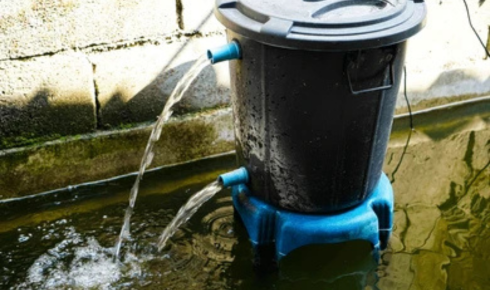
    Not all filters are created equal, though. That’s where a well-chosen pond intake filter plays a huge role. It’s like the gatekeeper at the start of your filtration system—sifting out the bigger debris (leaves, twigs, floating scum) before the water gets passed along to the finer filters.


    Different Filters, Different Jobs

    Let’s break it down simply. Think of filtering pond water like making coffee:

    • The intake filter is your coffee grinder—prepping the raw stuff.
    • The mechanical filter is the paper filter—catching the grounds.
    • The biological filter is your brewing process—removing what your eye can’t see but your body would definitely notice.

    Each part serves a purpose. Skip one, and things go south quickly.

    For example, if you only rely on a pump without any filtration, you’re just circulating dirty water faster. It’s like stirring a muddy puddle and hoping it turns clear. Spoiler alert: it won’t.


    Filtering for Sustainability: Drinking Water from a Pond?

    Here’s a growing question we’re seeing pop up: “Can I drink water from my pond if I filter it?” The short answer is—yes, but with a big asterisk.

    Standard pond filters are great for clarity and fish health, but they’re not made to handle waterborne pathogens. If your goal is safe, drinkable water, you need a pond water filter for drinking—something designed to remove bacteria, viruses, heavy metals, and other invisible nasties.

    That means going beyond just a mesh or sponge. You’ll be looking at systems that include activated carbon, ceramic filters, and UV sterilizers. Some homesteaders even combine multiple layers for extra peace of mind. It’s more work, but if your pond is your main water source—or your backup for emergencies—it’s worth the extra effort.


    Real Talk: What Kind of Pond Do You Have?

    Not all ponds are created equal, and your filtration strategy should match your setup.

    • Decorative backyard pond with fish? Focus on biological filtration to manage waste.
    • Natural rain-fed pond? You’ll want extra sediment control.
    • Pond used for irrigation or emergencies? Invest in a layered system with both basic and advanced filters.

    This is where people often get tripped up. They see one-size-fits-all filters online, slap them on, and wonder why the water still looks or smells off. You’ve got to know your pond’s quirks.

    It’s kind of like buying clothes off the rack—sure, it fits “most,” but you’ll always be better off tailoring it to your needs.


    The Unsung Hero: Your Pump Setup

    Pumps don’t get enough credit. They keep the water moving, help prevent stagnation, and ensure the filters actually do their job.

    But here’s the trick—positioning your intake matters. If it’s too close to the surface, it’ll suck up floating stuff but ignore the gunk settling at the bottom. Too deep, and it’ll clog up fast.

    That’s where a floating intake or adjustable intake system can really shine. It ensures you’re pulling from the cleanest layer of water or at least not creating a never-ending war against sludge.

    And of course, your pump should match your pond’s volume. Too small, and it’s overwhelmed. Too big, and you’re wasting energy (or worse, stirring up muck unnecessarily).


    Filtering Pond Water for Plants or Greywater Use

    Now, maybe you’re not looking to drink the water—but you are hoping to use it in your garden or for washing purposes. In that case, you don’t need lab-grade purity, but you still want something dependable.

    That’s where you can filter pond water with mid-level solutions—mechanical filters paired with a bit of charcoal or UV. It’s a sweet spot that keeps the water clean enough for irrigation, without overcomplicating things.

    And bonus—filtered pond water is packed with nutrients your plants will love. It’s like free fertilizer, minus the synthetic chemicals.


    Maintenance Isn’t Optional—But It Doesn’t Have to Be Hard

    Look, even the best filter in the world turns useless if you let it clog up for months. But that doesn’t mean you need a lab coat and test kits every weekend.

    Here’s a low-stress routine:

    1. Weekly glance: Any obvious clogs, floating debris? Scoop it out.
    2. Monthly clean: Rinse your mechanical filter gently (don’t over-clean biological ones—they need their helpful bacteria).
    3. Seasonal deep clean: Empty and scrub parts of the system, especially after fall when leaves dominate the scene.

    Set a recurring reminder. Make it a ritual. Pair it with your favorite music or podcast and it won’t feel like a chore.


    Final Thoughts: Let the Water Speak

    There’s a unique joy in watching clear, glistening water flow through a pond you’ve nurtured. When filtration is done right, it doesn’t just support the life in your pond—it becomes part of the life around your pond. From birds stopping by for a sip to plants flourishing with nutrient-rich water, it all starts with thoughtful filtration.

    You don’t have to spend a fortune, and you definitely don’t need to become an expert overnight. Just listen to your pond. It’ll let you know what it needs.

    And when in doubt, filter smarter—not harder.

  • Why Your Dishwasher Isn’t What It Used to Be (And What You Can Do About It)

    Why Your Dishwasher Isn’t What It Used to Be (And What You Can Do About It)

    There’s something oddly satisfying about opening your dishwasher and seeing rows of sparkling clean dishes, neatly stacked and bone-dry. It feels like a small but mighty domestic victory — one less thing to worry about in a busy day. But when that trusty machine starts acting up, even slightly, the frustration is real. And it’s not always obvious what’s wrong, is it?

    That’s the tricky part with dishwashers — they don’t often crash in a dramatic, movie-style flood. The signs are quieter: a bit of grit on the plates, strange noises mid-cycle, a top rack that feels… off. This isn’t just a rant about broken appliances. This is a conversation about recognizing the early warning signs, making smarter repair choices, and understanding how solid dishwasher service can genuinely extend the life of your machine.


    The Little Things That Turn Into Big Problems

    You don’t realize how much you depend on a working dishwasher until you have to go a week without it. That mountain of dishes doesn’t wash itself — and suddenly, hand-washing feels like a chore from another era.

    But what usually breaks down first? Often, it’s not the motor or the electronics. It’s the internal components that handle the actual cleaning: the racks that wobble, the spray arms that don’t rotate as they should, or get clogged with food particles and hard water scale.

    Fixing a rack and spray arm fix early on can make a world of difference. These parts may seem minor, but when they’re misaligned, blocked, or damaged, the whole cleaning process suffers. Plates don’t get rinsed properly, detergent doesn’t disperse, and cycles take longer than necessary. Sometimes all it takes is a realignment or thorough cleaning, but other times, parts need replacing. Ignoring it only guarantees that minor wear becomes a full-blown performance issue.


    When to Call in a Professional (Hint: Sooner Than You Think)

    There’s this temptation we all fall into — the DIY rabbit hole. We read a few blog posts, watch a YouTube tutorial, and suddenly think we’re ready to take apart the appliance that’s been working flawlessly for five years.

    But dishwashers, like all modern machines, are more complicated than they appear. Sensors, wiring, drainage pathways, water pressure calibration — it’s not just about tightening a screw or unclogging a sprayer. That’s where certified dishwasher technicians come in.

    Not only do they know the models inside out, but they can also spot problems you’d never think to check for: cracked hoses hiding under the frame, worn-out seals that lead to gradual leaks, or electronic glitches that throw off the entire cycle timing. What looks like a small quirk to you might be the start of a costly breakdown — and catching it early is where the professionals shine.


    Is It Maintenance… or Is It Time for Something More?

    Look, nobody wants to hear that their dishwasher is on its last leg. But if you’ve had multiple service calls in the past year, or it’s over a decade old and guzzling water like it’s free — it might be worth considering your options.

    Not every service call is meant to keep the old unit running forever. Sometimes, a technician is really giving you a diagnosis — not just a fix. And if the repairs add up to more than 50% of what a new, energy-efficient model would cost, it’s probably smarter (and greener) to start fresh.

    That said, modern dishwashers are worth investing in — especially the mid-range models that prioritize water savings, quieter operation, and advanced filter systems. Still, keeping that investment running smoothly starts with regular care.


    A Quick Word on Water Quality and Cleaning Products

    One thing a lot of folks don’t realize: not all dishwasher problems come from the machine itself. Sometimes it’s your water. Hard water can cause mineral buildup that clogs spray arms and coats internal components. That leads to poor cleaning performance and even odors.

    If your area is known for hard water, consider using rinse aids or even an inline water softener. Also, don’t skimp on detergent quality — those bargain-bin tablets might save you a few bucks now, but if they’re not breaking down food residue properly, your machine’s doing twice the work for half the results.


    Doing Your Part (No Toolbox Required)

    You don’t need to be an appliance expert to keep your dishwasher running well. Just a few monthly habits can go a long way:

    • Remove and rinse the filter to avoid clogs
    • Wipe down the door seals and gaskets
    • Run an empty hot cycle with vinegar or a cleaning pod
    • Check that spray arms spin freely and aren’t blocked
    • Avoid overloading — even if it’s “just a few more plates”

    It’s like brushing your teeth — boring, but necessary. And it saves you from bigger headaches later.


    Final Thoughts: Take Care of the Workhorse

    The dishwasher may not be the flashiest thing in your kitchen, but it’s arguably one of the most valuable. It saves time, saves water (yes, really), and lets you focus on more important things — like enjoying that late-night snack without worrying about the cleanup.

    So whether you’re dealing with strange noises, persistent residue, or a door that won’t shut quite right, don’t ignore it. Take it seriously. Get it checked. Let the dishwasher service team handle what you shouldn’t have to. And when in doubt? Trust the professionals to help you get back to sparkling clean dishes, without the stress.

  • Why Smart Homeowners Don’t Delay Filter Changes or RO Servicing

    Why Smart Homeowners Don’t Delay Filter Changes or RO Servicing

    We take it for granted, don’t we? That crisp, clear stream of water flowing from the tap — always there when we need it, whether it’s to brew morning coffee, rinse off a long day, or fill the dog’s bowl. But behind every drop is a small ecosystem of filters, membranes, and valves quietly doing their job. Until one day… they don’t.

    If your water starts tasting odd, your appliances struggle, or your skin’s suddenly dry and itchy — that’s not random. It’s your home whispering (or maybe shouting) that it’s time to give your water system a little TLC. And most times, it starts with something as simple as a filter change service.


    Filters Aren’t Forever — But They’re Often Forgotten

    Life’s busy. Between juggling work, kids, appointments, and a to-do list that never shrinks, it’s easy to miss the little things. Changing your water filter is one of them. The problem is, overused filters don’t just stop working—they become part of the problem. They trap sediment, chlorine, and bacteria until they can’t anymore. Then? All that gunk starts trickling back into your water.

    I’ve heard stories of folks going over a year without swapping a filter. One guy told me his water started tasting like “a rusty garden hose that went on vacation in a swamp.” Dramatic? Maybe. But also avoidable. Routine filter change service isn’t a luxury — it’s basic home hygiene.


    RO Systems Deserve Some Love Too

    If you’ve got a reverse osmosis system under your sink or hooked into your fridge, pat yourself on the back. You’re ahead of the game. RO systems are great at delivering clean, filtered water that’s free from most contaminants.

    But here’s the catch: they don’t maintain themselves.

    That delicate membrane? It needs replacing. Pre-filters? Swappable. Connections and pressure levels? They shift over time. Ignoring these things is like owning a luxury car and never changing the oil. At first, it runs smooth. But eventually, your crisp water starts turning funky, flow slows to a trickle, or worse — the whole thing gives out.

    A scheduled RO system service is a smart, simple way to keep things running like clockwork and avoid those costly full-system replacements.


    The Strange and Subtle Signs Something’s Off

    Let’s say your water tastes fine… mostly. No smell. No visible particles. But your ice cubes are cloudy. Or maybe your shower pressure dips randomly. Or you’ve started noticing buildup on faucets, or the washing machine’s taking longer to fill. These aren’t just quirks — they’re early warning signs.

    That’s where proper water troubleshooting comes into play. And no, that doesn’t mean watching six YouTube videos and trying to disassemble your water filter with a butter knife. Real troubleshooting means having a professional assess your setup: testing water pressure, checking for leaks, inspecting valves, and making sure all components—from filters to membranes—are working in harmony.

    Think of it like a tune-up for your home’s water performance.


    Why Waiting Isn’t Worth It

    Putting off servicing your water system might save you a few bucks today. But it’s rarely worth the risk. Sediment buildup can wreck appliances, hard water can shorten heater lifespan, and bacteria (in worst-case scenarios) can sneak past worn-out filters.

    A client of mine waited months before booking a basic RO inspection. When we finally looked under the hood, the filters were discolored and swollen, the storage tank had a tiny leak, and the membrane? Shot. Instead of a $60 service, they spent $300 replacing everything. Ouch.

    Preventive care is always cheaper than emergency repairs. Always.


    The Emotional Side of Clean Water

    Now, this might sound odd, but hear me out. There’s something deeply comforting about knowing the water in your home is clean, safe, and working as it should. No second-guessing every glass. No funny aftertastes or hard-water stains. Just pure, effortless flow.

    Water touches every part of your day. It’s there when you brush your teeth, make oatmeal, wash your face, do laundry. So when it works well, everything else feels… easier. Lighter. It’s peace of mind in a glass.


    Don’t Let Maintenance Slip Through the Cracks

    So, if it’s been a while since you thought about your filters or RO system, take this as your nudge. Open that cabinet. Peek at your system. Make a quick call. Or better yet — schedule that filter change service or RO system service before it becomes a bigger deal.

    Don’t wait for weird tastes, cloudy water, or strange leaks to force your hand. Your water deserves attention before it demands it.

  • A Real-World Look at Vein and Artery Surgeries That Save and Restore

    A Real-World Look at Vein and Artery Surgeries That Save and Restore

    Let’s be honest — we don’t think much about our blood vessels. Not until they start making themselves known, either by aching, swelling, or simply refusing to do their job. Legs start to feel heavy, feet go numb, and walking a block suddenly feels like climbing a mountain. At that point, something invisible becomes impossible to ignore.

    When your veins and arteries stop cooperating, the next steps often sound scary. Surgery? For blood flow? Suddenly you’re thrust into a world of terms like “vascular,” “chronic venous insufficiency,” and “claudication.” But before panic sets in, let’s take a deep breath and talk about what’s actually going on — and how treatment today is smarter, safer, and more manageable than ever.

    This is a human look at varicose veins surgery and peripheral artery disease surgery — what they are, why they matter, and what recovery really feels like.


    The Uncomfortable Truth About Varicose Veins

    They’re not just a cosmetic thing. Sure, varicose veins look like twisted ropes under your skin, but the problem goes deeper than aesthetics. When veins lose their elasticity or valves stop working properly, blood pools in the legs. That pressure builds, and the result isn’t just bulging veins — it’s aching, throbbing, heaviness, swelling, and sometimes even skin changes or ulcers.

    If you’re reading this and thinking, “Ugh, that’s me,” know this: you’re not alone. Millions of people deal with chronic venous insufficiency. And while compression stockings and lifestyle changes can help, sometimes the veins are too damaged to recover on their own. That’s where varicose veins surgery steps in.

    There are several options — laser ablation, radiofrequency, foam sclerotherapy, even traditional vein stripping (though that’s less common these days). Most procedures are outpatient, minimally invasive, and require only a short recovery time. No overnight stays. No huge incisions. Often, just a bandage, some walking, and a few days off your feet.

    But the biggest relief? That constant aching and fatigue starts to fade. And with time, so does the visible reminder on your skin.


    Arteries Aren’t Always Loud — But They’re Powerful

    Now, let’s talk arteries — the stronger, more muscular cousins of veins. They carry blood away from the heart, delivering oxygen to your muscles and organs. But when those pathways get narrowed or blocked (usually by plaque buildup), it’s called peripheral artery disease, or PAD. And it’s sneaky.

    You might feel fine at rest, but walking any distance? That’s when the pain starts — in the calves, thighs, or buttocks. It’s often dismissed as “getting older” or “just being out of shape,” which delays diagnosis.

    But untreated PAD doesn’t just make walking hard. It can lead to infections, ulcers, and even limb loss. Yes, it’s that serious.

    For advanced cases, peripheral artery disease surgery may be needed. This could be angioplasty (using a balloon to widen the artery), placing a stent, or a bypass — rerouting blood around a blockage using a graft. These procedures restore circulation, reduce pain, and in many cases, prevent amputation.

    But perhaps the most powerful part? Getting your life back. Being able to walk your dog, go to the store, or just take a stroll around the block without stopping every 10 steps — that’s freedom. And after living with PAD, it feels like a miracle.


    What No One Tells You About Recovery

    Surgery is often framed as the “fix.” But recovery? That’s where the real work — and sometimes frustration — lives.

    After varicose vein procedures, people are often surprised at how quickly they’re back on their feet. You’ll need to wear compression stockings for a bit and avoid heavy lifting, but most folks return to regular life within a week or two. Bruising, swelling, and some mild discomfort are normal, but they fade.

    PAD surgeries vary more. If it’s a simple stent or angioplasty, you might be home the same day. If it’s a bypass, expect more downtime. You’ll need to monitor the incision site, take medications, and make some lifestyle changes — because the surgery fixes the symptom, not the root cause.

    And here’s the thing — even when the physical healing is going well, emotionally, you might feel a little off. Vulnerable. Slower. Uncertain. That’s normal. Surgery reminds us we’re not invincible. It humbles us. But with the right support, you bounce back stronger.


    Prevention Is Always the Better Plan

    Let’s not wait for surgery to be the wake-up call. If you have risk factors like diabetes, high blood pressure, high cholesterol, obesity, or a family history of vascular disease — don’t wait for symptoms to shout. Start walking more. Quit smoking. Eat more whole foods and less processed junk. Get your blood pressure and sugar checked regularly.

    Because while medicine can do incredible things — lasers, stents, grafts, and beyond — prevention is still the most powerful tool we’ve got.


    Final Thoughts: Don’t Be Afraid of the Fix

    There’s something comforting about ignoring symptoms. It lets us pretend everything’s fine. But bodies are smarter than that — they speak up. Through swelling. Through pain. Through heaviness and fatigue.

    So if your body’s whispering (or shouting), don’t silence it.

    See a specialist. Ask about options. Don’t be afraid of terms like varicose veins surgery or peripheral artery disease surgery — these procedures aren’t meant to scare you. They exist to help you keep walking, working, living — fully and without pain.

  • A Complete Guide to Booking Your HSRP Online via BookMyHSRP.com

    A Complete Guide to Booking Your HSRP Online via BookMyHSRP.com

    When it comes to vehicle compliance and safety in India, getting a High Security Registration Plate (HSRP) is not just a good idea — it’s mandatory. If you’re a car or two-wheeler owner and still wondering how to get your HSRP quickly and efficiently, book my hsrp com is the platform built exactly for that.

    Let’s walk through what HSRP is, why it’s important, and how you can use the official booking website to secure one without hassle.


    What is an HSRP and Why Is It Important?

    HSRP stands for High Security Registration Plate. These plates are tamper-proof and come with a non-reusable snap lock and a unique laser-etched code. They’re designed to prevent vehicle theft and fraud, improve national vehicle tracking systems, and standardize number plate designs across India.

    The Indian government has made HSRPs compulsory for all vehicles, including those sold before 2019. Failing to get one may result in penalties or even your vehicle being stopped during checks.


    Why Use bookmyhsrp.com?

    The portal book my hsrp com is the official online platform for booking HSRPs in many Indian states, including Delhi, Uttar Pradesh, Haryana, and others. The service is authorized by vehicle manufacturers and RTOs, ensuring you’re in compliance with all legal requirements.

    Benefits of Using BookMyHSRP.com:

    • Simple Booking Process: Enter vehicle details, select fitment location and time, and pay online.
    • Legit and Secure: It’s an authorized portal — no middlemen or risk of fraud.
    • Faster Fitment Appointments: Choose time slots that suit your schedule.
    • Real-Time Updates: Get SMS alerts and tracking for your booking.

    Step-by-Step: How to Book Your HSRP Online

    Here’s a quick breakdown of how to book your plate:

    1. Visit https://bookmyhsrp.com.
    2. Select your vehicle type – two-wheeler or four-wheeler.
    3. Choose whether you want only an HSRP or both HSRP and a color-coded sticker.
    4. Fill in key details: Vehicle registration number, engine/chassis number, and owner name.
    5. Choose a fitment location (authorized dealer or center).
    6. Pick a date and time slot that’s convenient.
    7. Make a secure online payment.
    8. You’ll receive a confirmation SMS and email with booking ID and slot details.

    Color-Coded Stickers: What’s That?

    Alongside HSRPs, the government has also introduced color-coded fuel stickers:

    • Blue for petrol/CNG
    • Orange for diesel
    • Grey/Green for electric

    These stickers help monitor and enforce pollution control regulations and are often required in major cities. When booking your HSRP, you can opt to include this sticker in your appointment.


    Important Tips and Reminders

    • Don’t rely on unauthorized dealers or middlemen. Always book via the official website.
    • Carry your original vehicle documents during your fitment appointment.
    • Arrive at the center on time to avoid delays.
    • Check your HSRP once installed — make sure the registration number, laser code, and sticker (if applicable) are all correctly applied.

    The Bottom Line

    Whether you’re driving a bike or a car, ensuring your vehicle has a valid HSRP is not just about following the rules — it’s about security, uniformity, and smart regulation. Thanks to book my high security no plate services through the BookMyHSRP portal, the process has never been easier.