Blog

  • The Pipes You Never See: Why Sewer and Gas Line Care Is Essential for a Safe Home

    The Pipes You Never See: Why Sewer and Gas Line Care Is Essential for a Safe Home

    There’s a quiet confidence that comes with living in a home where everything just works. You turn on the tap, light the stove, flush a toilet — and never really pause to think about the systems making those simple actions possible.

    But beneath your floors and behind your walls lies a complex network of pipes that handles some of the most critical functions of daily life.

    Sewer lines carry wastewater safely away from your home. Gas lines deliver fuel that powers heating systems and appliances. When these systems are healthy, they operate silently in the background.

    When they aren’t, though, problems can escalate quickly — and sometimes dangerously.

    Understanding how these hidden systems function, and why they require regular care, helps homeowners protect both safety and long-term property value.


    Why Underground Systems Often Go Unnoticed

    Most homeowners focus their maintenance efforts on visible parts of their homes — fixtures, appliances, and interior surfaces.

    But the infrastructure underground rarely gets attention until something goes wrong.

    This invisibility creates a unique challenge. Problems can develop slowly without obvious signs.

    A small crack in a sewer pipe may take months to reveal itself. A gas line issue might produce only subtle symptoms at first.

    By the time visible warning signs appear, the underlying damage may already be significant.

    Recognizing this hidden vulnerability is the first step toward proactive care.


    How Sewer Problems Begin Gradually

    Sewer systems are designed to handle large volumes of wastewater, but they are not immune to wear and tear.

    Over time, debris such as grease, soap residue, and foreign objects can accumulate inside pipes.

    Tree roots also pose a common threat. They naturally seek moisture, and even tiny cracks in pipes can allow roots to infiltrate and expand.

    These issues often start with minor symptoms — slow drainage, unpleasant odors, or occasional backups.

    Professional sewer line repair services address these problems before they escalate into major disruptions.

    Timely intervention helps prevent structural damage and costly excavation.


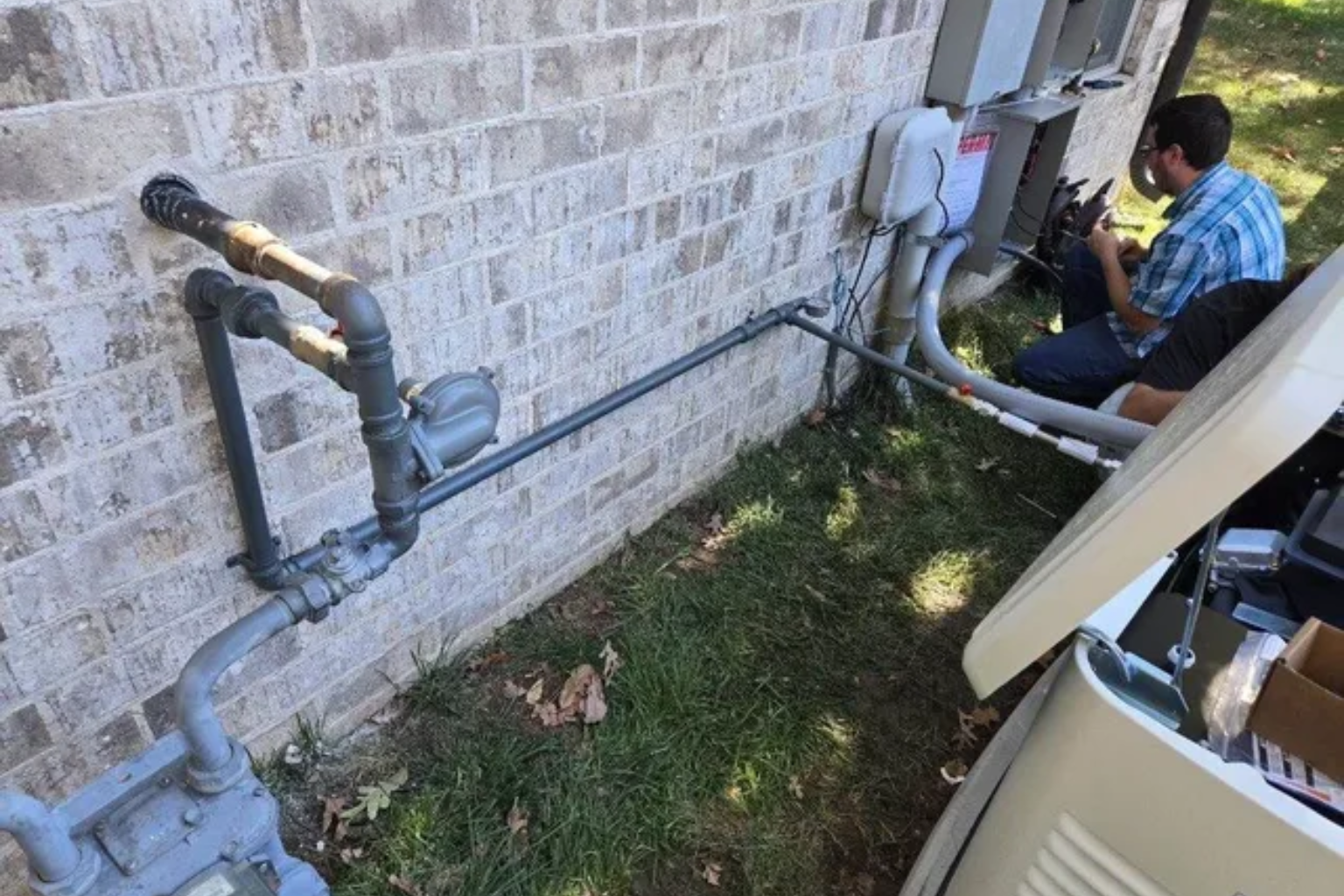
    The Safety Risks of Gas Line Issues

    While sewer problems primarily affect sanitation, gas line issues present more immediate safety concerns.

    Gas leaks can be difficult to detect because they are often invisible.

    Homeowners might notice a faint sulfur smell, hear unusual hissing sounds near appliances, or experience unexpected increases in gas bills.

    Professional gas line repair services use specialized tools to locate leaks accurately and ensure safe system restoration.

    Because gas systems involve fire and explosion risks, timely repairs are essential for protecting both occupants and property.


    Why Early Detection Saves Time and Money

    One of the biggest advantages of regular inspections is early problem identification.

    Minor cracks, small leaks, and partial blockages can often be resolved quickly and affordably when detected early.

    If left unaddressed, however, these issues can lead to extensive damage requiring costly repairs.

    Preventative maintenance helps homeowners avoid unexpected emergencies and long-term financial strain.


    The Role of Professional Expertise

    Sewer and gas systems are complex and require specialized knowledge to repair safely.

    Attempting DIY fixes in these areas can be risky and may worsen the situation.

    Professional technicians have the training and equipment necessary to diagnose problems accurately and implement effective solutions.

    Their expertise ensures that repairs address root causes rather than temporary symptoms.

    For homeowners, relying on experienced professionals provides both practical benefits and peace of mind.


    How Modern Technology Improves Repair Efficiency

    Advances in plumbing technology have significantly improved the way sewer and gas line issues are addressed.

    Camera inspections allow technicians to view pipe interiors in real time, identifying damage without extensive excavation.

    Gas detection tools use sensitive sensors to locate leaks quickly and accurately.

    These technologies reduce repair time, minimize property disruption, and improve overall service efficiency.


    The Importance of Maintaining Safe Plumbing Systems

    Maintaining safe plumbing systems is not just about convenience — it’s about protecting health and safety.

    Properly functioning sewer lines prevent contamination and ensure sanitary living conditions.

    Reliable gas systems provide energy for heating and cooking without posing hazards.

    Routine inspections and timely repairs help maintain these critical functions.


    The Emotional Impact of Infrastructure Problems

    Hidden plumbing issues often create stress because they involve uncertainty.

    Not knowing whether a strange odor or slow drain indicates a minor problem or a serious hazard can be unsettling.

    Access to reliable professional services helps reduce this anxiety.

    Clear communication, accurate diagnosis, and effective repairs restore confidence and comfort.


    Protecting Property Value Through Maintenance

    Maintaining underground infrastructure also plays a significant role in preserving property value.

    Undetected leaks and structural damage can compromise foundations and reduce home resale appeal.

    Regular inspections and documented repairs demonstrate responsible homeownership.

    For homeowners planning to sell in the future, this proactive approach can provide a competitive advantage.


    Why Preventative Care Is the Best Strategy

    Most sewer and gas line problems develop gradually.

    Regular maintenance allows technicians to identify potential risks before they escalate.

    Simple habits — such as monitoring utility bills, paying attention to unusual odors, and scheduling routine inspections — can help homeowners detect early warning signs.

    Combining vigilance with professional expertise ensures reliable system performance.


    The Bigger Picture: Infrastructure as the Foundation of Daily Living

    Sewer and gas systems may remain hidden from view, but they support essential aspects of modern life.

    They ensure sanitation, energy supply, and overall home functionality.

    When functioning properly, they operate quietly in the background.

    When problems arise, their importance becomes immediately clear.

    Understanding this role encourages homeowners to prioritize proactive care.


    The Bottom Line: Don’t Ignore What You Can’t See

    Underground plumbing systems rarely announce problems loudly.

    Instead, they offer subtle clues before serious issues develop.

    By recognizing these signs, scheduling regular inspections, and addressing repairs promptly, homeowners can protect both safety and property value.


  • Behind the Courtroom Door: How Judges Decide Which Experts Can Be Trusted

    Behind the Courtroom Door: How Judges Decide Which Experts Can Be Trusted

    Most people picture courtrooms as places where stories collide — where lawyers argue passionately, witnesses speak under pressure, and juries weigh competing versions of the truth. But what often goes unnoticed is something quieter, almost invisible to anyone not directly involved.

    Before an expert ever testifies in front of a jury, there’s a careful process happening behind the scenes. Judges don’t simply accept every professional opinion that’s offered. They pause, review, question, and evaluate.

    Because when a case depends heavily on technical knowledge — whether medical, scientific, financial, or engineering — the court has to answer a critical question first:

    Can this expert be trusted to guide the jury toward the truth?

    And that question lies at the heart of how modern legal systems protect fairness.


    Why Expert Testimony Requires Careful Oversight

    Expert witnesses carry tremendous influence in legal proceedings. Their explanations can shape how juries understand complicated issues that ordinary experience doesn’t cover.

    Imagine a case involving a product defect, a structural failure, or a medical decision. These situations often involve technical evidence that’s difficult for non-specialists to interpret.

    Without oversight, there’s a risk that opinions presented in court could be persuasive yet unreliable.

    That’s why courts place significant emphasis on judicial gatekeeping — a process through which judges evaluate whether expert testimony meets established standards before allowing it to reach the jury.

    This role isn’t about deciding who wins a case. It’s about ensuring that the information presented is grounded in credible knowledge.

    And in many ways, this process serves as a safeguard against misinformation influencing legal outcomes.


    The Subtle Art of Evaluating Expertise

    Determining whether an expert should testify isn’t always straightforward.

    Judges don’t simply check credentials or professional titles. Instead, they examine the broader context of the expert’s background, experience, and reasoning.

    This evaluation often involves expert vetting, a process that looks beyond surface qualifications to assess whether the expert’s knowledge is directly relevant to the case.

    For example, a professional may have decades of experience in one field, but if their expertise doesn’t align closely with the specific issue being litigated, their testimony may carry less weight.

    Judges also review the methods experts use to form their opinions. Are those methods recognized within the professional community? Do they rely on reliable data?

    These questions help ensure that expertise presented in court reflects genuine professional standards rather than unsupported interpretations.


    Why Reliability Matters More Than Authority

    One of the most important principles guiding expert testimony is that authority alone isn’t enough.

    An expert’s conclusions must be based on reliable methods and verifiable evidence. This concept is often described as expert reliability, emphasizing the importance of sound reasoning over persuasive presentation.

    Courts evaluate whether experts use consistent methodologies, apply established principles correctly, and avoid speculation.

    Even highly experienced professionals may face challenges if their analysis lacks transparency or fails to follow recognized practices.

    This focus on reliability protects legal proceedings from becoming influenced by opinions that appear credible but lack substantive support.

    Because in the courtroom, trust isn’t built solely on credentials — it’s built on demonstrable reasoning.


    The Emotional Impact of Trustworthy Expert Evidence

    While legal standards focus on technical evaluation, the emotional effects of reliable expert testimony should not be underestimated.

    Clear, well-supported explanations help juries feel confident that they understand complex issues accurately.

    When expert opinions are presented transparently, they reduce uncertainty and create a sense of fairness within the courtroom.

    Conversely, unclear or unreliable testimony can lead to confusion, frustration, or skepticism among decision-makers.

    Effective gatekeeping helps maintain an environment where expert evidence contributes positively to the pursuit of justice.

    And that emotional confidence often plays an important role in how legal outcomes are perceived.


    Challenges Judges Face in Evaluating Expertise

    Serving as a gatekeeper isn’t always easy.

    Judges must evaluate technical subjects that may lie outside their own professional backgrounds. They rely on legal frameworks, precedents, and structured evaluation processes to guide their decisions.

    This responsibility requires balancing openness to specialized knowledge with caution against unreliable opinions.

    Judges must ensure that expert testimony aids understanding without overwhelming juries or introducing unnecessary complexity.

    Their role reflects a delicate balance between encouraging expert contributions and maintaining strict evidentiary standards.


    The Growing Importance of Expert Evaluation in Modern Cases

    As industries evolve and technology advances, legal disputes increasingly involve specialized knowledge.

    From digital forensics and environmental science to advanced medical treatments and complex financial models, modern cases often require expert analysis.

    This trend has made judicial evaluation processes more important than ever.

    Courts continue refining standards to address emerging challenges while maintaining the core principle that expert testimony must be both relevant and reliable.

    Because as society becomes more complex, ensuring the credibility of expert evidence becomes essential for preserving fairness.


    Beyond the Courtroom: A Broader Lesson in Trust

    The principles guiding expert evaluation extend beyond legal proceedings.

    They reflect a broader societal emphasis on critical thinking, evidence-based reasoning, and professional accountability.

    Whether in public policy, scientific research, or business decision-making, the ability to distinguish reliable expertise from unsupported opinions remains vital.

    Judicial gatekeeping offers a powerful example of how structured evaluation can protect decision-making processes from misinformation.

    And in a world increasingly shaped by complex information, that lesson holds enduring relevance.


    A Thoughtful Ending: Trust Built Through Careful Evaluation

    At its core, the process of evaluating expert testimony is about protecting fairness.

    By carefully reviewing qualifications, methods, and reliability, courts ensure that expert evidence contributes to informed decisions rather than confusion.

  • Smart Storage That Doesn’t Sacrifice Style

    Smart Storage That Doesn’t Sacrifice Style

    There’s a particular kind of stress that comes from clutter. You don’t always notice it right away. It’s subtle — a countertop that feels crowded, a drawer that refuses to close properly, a bathroom shelf stacked just a little too high. Over time, though, that visual noise adds up.

    The funny thing is, most homes don’t actually lack space. They lack thoughtful storage. And there’s a difference.

    When storage is designed well, it blends in. It works quietly in the background, keeping daily life organized without making the room feel clinical or over-engineered. The goal isn’t to hide everything like a magician. It’s to create balance — practical, yes, but still beautiful.


    Start With What You Actually Use

    Before you start installing shelves or buying bins, take a step back. What do you really need to store? And how often do you use those items?

    Good interior design storage ideas aren’t about adding more compartments for the sake of it. They’re about understanding your habits. If you reach for certain items every day, they shouldn’t be buried at the back of a cabinet. If something hasn’t been touched in a year, maybe it doesn’t need prime real estate.

    Decluttering is the first step in smart storage. It’s not glamorous, but it makes everything that follows more effective.

    Once you’ve edited, the space starts to reveal its possibilities.


    Hidden Doesn’t Mean Invisible

    One common misconception is that storage must always be hidden to look good. That’s not entirely true.

    Closed cabinets are wonderful for concealing messier items, but open shelving can add personality when styled thoughtfully. A few neatly stacked books, woven baskets, or ceramic containers can turn functional storage into part of the room’s design story.

    The trick is restraint. Open storage works best when it’s curated, not crowded.

    Balance open and closed elements so the room feels layered rather than overloaded.


    The Kitchen: Function First, But Make It Beautiful

    Kitchens are where storage really earns its keep. Pots, pans, spices, appliances — it’s a lot. Without a plan, countertops quickly become dumping grounds.

    Thoughtful kitchen storage can completely change how the room functions. Deep drawers instead of lower cabinets make it easier to access cookware. Pull-out pantry shelves prevent items from disappearing into the abyss. Vertical dividers for trays and cutting boards keep things upright and organized.

    Even small upgrades matter. Drawer organizers for utensils. Hooks inside cabinet doors for measuring spoons. Clear containers for dry goods.

    And aesthetically? Matching containers, cohesive hardware, and well-placed lighting elevate the whole experience. A kitchen that’s organized feels calmer. And that calm shows up in how you cook and gather.


    Making the Most of Awkward Spaces

    Every home has them — odd corners, narrow alcoves, the space under the stairs.

    Instead of ignoring these areas, treat them as opportunities. Custom shelving in a tight hallway can house books or decorative objects. A slim console behind a sofa can offer discreet storage. Even the space beneath a window can accommodate a built-in bench with hidden compartments.

    You don’t always need major renovations. Sometimes a well-placed floating shelf or a stack of attractive storage boxes is enough.

    Creativity often thrives within constraints.


    The Bathroom: Small Space, Big Impact

    Bathrooms rarely offer generous square footage, yet they hold an impressive amount of daily essentials. Towels, toiletries, cleaning supplies — it adds up fast.

    Efficient bathroom storage requires thinking vertically. Wall-mounted cabinets free up floor space. Open shelves above the toilet can house folded towels or baskets. Vanity drawers with dividers keep smaller items from becoming chaotic.

    Mirrored cabinets serve double duty, combining storage with function. Even recessed niches in shower walls can eliminate the need for bulky caddies.

    The goal is to keep surfaces clear. A bathroom with minimal countertop clutter instantly feels more spa-like — even if it’s compact.


    Storage That Adapts Over Time

    Life changes. Families grow. Work-from-home setups expand. Hobbies evolve.

    Storage solutions should adapt too.

    Modular shelving systems allow for rearrangement as needs shift. Adjustable closet rods accommodate seasonal wardrobe changes. Multi-functional furniture — ottomans with hidden compartments, beds with drawers — offers flexibility.

    Design with tomorrow in mind, not just today.


    Texture and Material Matter

    Storage doesn’t have to feel utilitarian. Materials can soften its presence.

    Woven baskets add warmth. Wooden crates bring texture. Fabric bins feel less harsh than plastic containers. Even metal shelving can look refined when styled intentionally.

    The key is cohesion. Choose materials that complement the room’s overall palette and mood. Storage should support the design, not compete with it.


    Less Is Often More

    One of the most overlooked storage principles is knowing when to stop.

    Adding too many compartments can make a space feel overly segmented. Sometimes simplifying — reducing the number of items stored in a room — creates more breathing space than adding another cabinet ever could.

    Storage should create ease, not complexity.


    A Home That Feels Lighter

    When storage works well, you notice it indirectly. You find things quickly. Surfaces stay clear. Rooms feel open rather than crowded.

    It’s not about perfection. It’s about flow.

    A well-organized home doesn’t eliminate life’s messiness — it simply contains it more gracefully. And that subtle shift can change how you feel when you walk through the door at the end of the day.

  • What’s Really in Your Tap Water? A Practical Look at Filters, Safety, and Peace of Mind

    What’s Really in Your Tap Water? A Practical Look at Filters, Safety, and Peace of Mind

    Most of us don’t think about our tap water until something nudges us to. Maybe it’s a news report about aging infrastructure. Maybe it’s a strange taste after heavy rain. Or maybe it’s just the quiet realization that water touches everything—your morning coffee, your child’s sippy cup, the pot of pasta simmering on the stove.

    We assume water is safe. And in many places, it is treated and regulated carefully. But “treated” doesn’t always mean perfect. That’s where questions begin.

    Not fear-driven questions. Just thoughtful ones.

    What’s actually in the water? And does it make sense to filter it?


    The Reality of Modern Water Systems

    Municipal water treatment plants do a remarkable job. They disinfect water, remove pathogens, and reduce harmful substances before it reaches your home.

    But along the way—from treatment facility to faucet—water can encounter aging pipes, plumbing materials, and environmental variables.

    Depending on where you live, tap water may contain trace levels of common contaminants such as chlorine, sediment, lead, pesticides, or naturally occurring minerals. Most of these are within legal limits. Many are present in very small amounts.

    Still, small amounts can influence taste, odor, and clarity. And sometimes, peace of mind matters as much as technical compliance.


    Taste Is Often the First Signal

    For many families, the journey toward filtration begins with taste.

    Chlorine, used to disinfect water, can leave a noticeable flavor. While it serves an important purpose, not everyone enjoys the aftertaste.

    Sediment may cause slight cloudiness. Minerals may leave white residue on glassware.

    None of these automatically signal danger. But they can make water less appealing.

    And when water doesn’t taste good, people often drink less of it—or turn to bottled alternatives.

    That’s not necessarily ideal either.


    Why Filters Appeal to Families

    The conversation around water filtration often centers on control.

    Installing a filter—whether it’s a simple pitcher or a whole-home system—gives homeowners an added layer of oversight. It’s a proactive step rather than a reactive one.

    The water filter benefits extend beyond taste improvement. Many filters reduce chlorine, sediment, heavy metals, and certain chemical residues. Some advanced systems target dissolved solids or microbial contaminants.

    It’s important to note that not all filters are created equal. Each type addresses specific concerns. Understanding your local water profile can help guide smarter choices.

    But the general appeal remains consistent: filtered water feels more intentional.


    Family Health and Everyday Habits

    When you think about water, it’s not just about drinking a glass here and there.

    Water is used for cooking. Making baby formula. Washing fruits and vegetables. Brewing coffee and tea. Filling pet bowls.

    It becomes a central thread running through daily life.

    For many parents, filtration becomes part of a broader commitment to family water safety. It’s not about panic—it’s about precaution.

    Children’s bodies are smaller and more sensitive to certain substances. Even if municipal water meets standards, some families prefer an additional safeguard.

    That choice isn’t extreme. It’s thoughtful.


    Testing Before Deciding

    Before investing in any filtration system, testing your water is wise.

    Home test kits are affordable and easy to use. Professional water analysis services offer more detailed breakdowns. These tests can reveal hardness levels, pH balance, and the presence of specific substances.

    Armed with information, you avoid overreacting—or underreacting.

    If your water quality is excellent, a basic carbon filter may suffice for taste. If certain contaminants are elevated, more comprehensive systems may make sense.

    The key is aligning solutions with actual data.


    Bottled Water Isn’t Always the Answer

    When people lose confidence in tap water, bottled water often becomes the fallback.

    It feels safer. Cleaner. More controlled.

    But bottled water isn’t always superior. It’s often sourced from municipal supplies and filtered before bottling. Plus, it generates plastic waste and ongoing expense.

    A home filtration system, even a simple one, can reduce reliance on single-use bottles while providing consistent quality.

    It’s a small shift with both financial and environmental upside.


    Maintenance Matters

    Owning a filter isn’t a one-time decision.

    Cartridges need replacement. Systems require occasional cleaning or servicing. Neglecting maintenance can reduce effectiveness.

    The good news? Most modern filters are designed for convenience. Replacement schedules are clear. Many units include indicator lights or reminders.

    Consistency keeps filtration performance reliable.


    Peace of Mind Has Value

    There’s something reassuring about knowing your water has been filtered at the point of use.

    It doesn’t mean municipal systems are inadequate. It simply adds a personalized layer of confidence.

    When you fill a glass, you’re not wondering about pipe conditions or chemical aftertaste. You’re just drinking.

    That mental shift—small as it seems—matters.


    Making an Informed Choice

    Filtration isn’t mandatory for every household.

    But it’s worth considering, especially if taste, plumbing age, or local reports raise questions.

    Start with information. Test your water. Identify priorities. Compare options realistically.

    And remember: filtration is about enhancement, not alarm.


    The Everyday Impact

    Water is foundational. It supports hydration, cooking, hygiene, and comfort.

    Improving its quality—whether for taste, clarity, or precaution—can subtly elevate daily life.

  • Finding the Right Water Treatment for Your Home: It’s More Personal Than You Think

    Finding the Right Water Treatment for Your Home: It’s More Personal Than You Think

    Water is one of those things we assume is fine—until we don’t.

    You turn on the tap and notice a faint smell. Or maybe your dishwasher leaves spots that never quite rinse away. Sometimes it’s subtler than that. The water tastes slightly metallic. Your skin feels tight after a shower. Nothing alarming, just… off.

    And that’s when homeowners start asking questions. Not because they’re looking for something fancy, but because water touches nearly every part of daily life. Drinking, cooking, bathing, laundry, cleaning. It’s constant. So when it’s not quite right, it lingers in the back of your mind.

    The good news? Most water issues are manageable. The better news? The right solution depends on your specific situation, not a one-size-fits-all approach.


    Step One: Understand What’s Actually in Your Water

    Before jumping into equipment or installations, the smartest move is simple: test your water.

    Municipal water systems publish annual quality reports. Well owners should test at least once a year, sometimes more depending on local conditions. Testing reveals what’s present—chlorine, sediment, hardness minerals, iron, or other contaminants.

    Without that information, choosing a treatment system is guesswork.

    And guesswork can get expensive.


    When Contaminants Are the Main Concern

    If your water report highlights chemical residues, chlorine, or trace contaminants, you’re likely looking for effective contaminant reduction.

    Filtration systems—especially multi-stage units—are designed for this purpose. Activated carbon filters reduce chlorine taste and odor. Reverse osmosis systems go further, removing dissolved solids and many impurities that standard filters can’t catch.

    The difference often shows up first in taste. Water feels lighter, cleaner. Coffee improves. Even ice cubes look clearer.

    It’s not about paranoia. It’s about refinement.

    When you know what’s being filtered out, you stop second-guessing every glass you pour.


    The Mineral Factor That Sneaks Up on You

    Not all water issues are about contaminants. Sometimes it’s the minerals.

    Hard water contains calcium and magnesium. They’re naturally occurring and generally safe, but they leave their mark. White scale on faucets. Cloudy glassware. Reduced lather from soap.

    Over time, those minerals accumulate inside pipes and appliances.

    That’s where mineral control becomes important.

    Water softeners are specifically designed to address hardness. They don’t remove chemicals or bacteria. Instead, they alter how water behaves, reducing scale formation and helping appliances operate more efficiently.

    If you’re constantly scrubbing residue from shower doors or noticing stiff laundry, hardness might be your real issue.


    Considering the Bigger Picture

    The most common mistake homeowners make is solving only one part of the puzzle.

    Maybe they install a drinking water filter but ignore hardness affecting their appliances. Or they add a softener but never address chlorine taste.

    The right solution often depends on your household needs.

    Are you primarily concerned about drinking water quality? A point-of-use filtration system might be enough.

    Are you noticing scale buildup throughout the home? A whole-house softener could make sense.

    Do you want both improved taste and protection for plumbing? A combined approach may be the answer.

    The key is alignment. Treatment systems should reflect how you actually use water in your home.


    Maintenance: The Often-Overlooked Reality

    No system is maintenance-free.

    Filters need replacing. Softener salt must be refilled. UV bulbs in purification systems eventually burn out.

    Skipping maintenance reduces effectiveness. It’s that simple.

    But when properly maintained, these systems quietly do their job in the background. You stop thinking about water quality because it becomes consistent.

    And consistency is what most homeowners are really after.


    Budget and Long-Term Value

    Upfront cost is often the biggest hesitation.

    Water treatment systems range widely in price. Simple under-sink filters are affordable. Whole-house systems require a larger investment.

    But it’s worth thinking long-term.

    Reduced scale can extend appliance life. Cleaner water can lower bottled water purchases. Efficient systems may support lower energy usage.

    The value isn’t always immediate. It accumulates.

    Like many home improvements, it’s less about instant gratification and more about gradual benefit.


    The Comfort Factor

    There’s something reassuring about knowing your water is working for you, not against you.

    You fill a glass without hesitation. You shower without noticing dryness. Your appliances run smoothly.

    Water doesn’t have to be exciting. It just needs to be dependable.

    And when treatment is tailored to your specific water profile, it becomes exactly that.


    A Thoughtful Approach Wins Every Time

    It’s easy to get caught up in marketing claims or neighbor recommendations. But water treatment isn’t about trends.

    It’s about understanding what’s in your water, identifying what bothers you most, and choosing the simplest solution that addresses those concerns.

    Start with testing. Ask questions. Consider your lifestyle.

    Then act deliberately.


    Final Thoughts

    Water is foundational. It supports your health, your comfort, your home’s infrastructure.

    Addressing water quality isn’t dramatic. It’s practical.

    Whether your priority is contaminant reduction, mineral control, or simply aligning treatment with your household’s needs, the goal remains the same: reliable water that supports daily life without distraction.

  • Finding the Right Water Treatment for Your Home Starts with the Right Questions

    Finding the Right Water Treatment for Your Home Starts with the Right Questions

    Water is one of those things we assume will just… work. Turn the tap, fill the glass, start the dishwasher. It’s automatic. Invisible. Reliable.

    Until it isn’t.

    Maybe your water tastes slightly metallic. Maybe there’s scale building up on your showerhead. Or maybe you’ve read one too many articles about what can travel through aging infrastructure and now you’re wondering if you should be doing more.

    The truth is, improving your home’s water isn’t about chasing trends. It’s about understanding what your water actually contains — and what your household genuinely needs.


    The First Step: Know What’s in Your Water

    Before investing in any system, you have to start with information.

    Municipal water is treated, yes — but it still travels through pipes before reaching your home. Well water comes straight from underground sources and varies widely depending on geology and environmental factors.

    Testing your water reveals what you’re working with. Hardness levels. Chlorine presence. Sediment. Trace contaminants.

    Without testing, you’re essentially buying solutions blindfolded.

    And when it comes to water, precision matters.


    When Clean Means More Than Clear

    Water can look perfectly clear and still carry substances you’d rather not consume daily. That’s where the idea of contaminant reduction becomes important.

    Filtration systems are designed to remove or reduce unwanted elements — chlorine, certain heavy metals, organic compounds, and in some cases bacteria. Different systems address different concerns. Carbon filters improve taste and odor. Reverse osmosis goes deeper, removing dissolved solids. UV systems target microorganisms.

    The goal isn’t to sterilize water beyond recognition. It’s to refine it — to reduce what doesn’t belong while preserving what makes it safe and usable.

    And once filtration is properly matched to your water profile, the difference can be surprisingly noticeable. Taste improves. Odors fade. Confidence grows.


    The Quiet Impact of Hard Water

    Not all water problems are about safety. Some are about comfort and long-term wear.

    Hard water contains calcium and magnesium. These minerals aren’t dangerous, but they create scale. White buildup on faucets. Streaky glassware. Soap that doesn’t lather well.

    This is where mineral control becomes relevant.

    Water softeners use an ion exchange process to replace hardness minerals with sodium or potassium. The result is water that feels smoother and leaves fewer deposits behind.

    Showers may feel gentler. Laundry softer. Cleaning becomes less of a constant battle against residue.

    It’s not about perfection. It’s about reducing friction — literally and figuratively.


    Matching Solutions to Real Life

    One of the biggest mistakes homeowners make is assuming one system does everything.

    A filter won’t soften hard water. A softener won’t remove chlorine. Each tool has a purpose.

    The smartest approach is aligning treatment systems with your actual household needs.

    If you’re frustrated by taste and odor, focus on filtration. If scale is damaging appliances, consider softening. If you’re on a private well, testing for bacteria and sediment may guide you toward additional layers of protection.

    It’s rarely about buying the biggest system. It’s about solving the right problem.


    Maintenance: The Overlooked Piece

    Installing a system is only part of the story.

    Filters need replacement. Softeners need salt refills. UV systems require bulb changes.

    Maintenance isn’t complicated, but it is essential.

    A neglected system can lose effectiveness gradually, sometimes without obvious signs. Staying on top of service schedules keeps performance consistent.

    Think of it like changing the oil in your car. Small effort, long-term payoff.


    Considering the Long View

    Improved water quality can influence more than just what you drink.

    Appliances may operate more efficiently. Plumbing can experience less internal buildup. You might use less detergent or cleaning product.

    These benefits accumulate quietly.

    They don’t always show up as dramatic savings overnight, but over time, they create a smoother-running household.

    And that steady improvement matters.


    Avoiding the Overcomplication Trap

    It’s easy to feel overwhelmed by technical jargon and endless product comparisons.

    But at its core, water treatment comes down to three questions:

    1. What’s in my water?
    2. What problems am I experiencing?
    3. What system addresses those specific issues?

    Answer those clearly, and the rest becomes manageable.


    A Balanced Perspective

    Water quality doesn’t need to become an obsession. Most systems function safely and reliably. The goal isn’t fear — it’s awareness.

    When you understand your water, you make better decisions.

    And when your water supports your home rather than subtly working against it, daily life feels easier.

    You stop noticing the small irritations. You trust the tap. You spend less time scrubbing scale and more time enjoying your space.


    Final Thoughts

    Improving your home’s water isn’t about chasing trends or installing flashy equipment.

    It’s about clarity — in both a literal and practical sense.

    By focusing on contaminant reduction where needed, managing minerals when necessary, and aligning systems with real household demands, you create a water environment that works with you rather than against you.

  • Doing It Right the First Time: Why Electrical Planning and Code Compliance Shape Safer Projects

    Doing It Right the First Time: Why Electrical Planning and Code Compliance Shape Safer Projects

    Description: A thoughtful guide to understanding how electrical code compliance and a clear project strategy protect your investment, reduce risk, and create reliable long-term performance in homes and commercial spaces.

    There’s a moment in almost every renovation or construction project when the excitement meets reality. The design is finalized. The budget is outlined. The timeline feels optimistic. And then someone brings up permits, inspections, and electrical codes.

    It’s not the glamorous part of the process. No one gets excited about conduit placement or breaker sizing. But here’s the honest truth: the decisions made in those early technical stages often determine whether a project feels smooth and successful—or frustrating and expensive.

    Electricity is powerful, invisible, and unforgiving. Treat it casually, and it has a way of reminding you who’s in charge.

    Codes Aren’t Just Paperwork

    Let’s start with the word that makes many property owners sigh: compliance.

    Electrical code compliance might sound like bureaucratic red tape. But codes exist because someone, somewhere, learned a difficult lesson. Fires caused by overloaded circuits. Shocks from improper grounding. Equipment damage from poorly designed panels. Over time, regulations evolved to prevent those outcomes.

    When a project follows current codes, it’s not just about passing inspection. It’s about creating a safer environment for everyone who uses the space.

    Codes address practical details—proper wire sizing, grounding systems, protective devices like GFCIs and AFCIs, and clear labeling of panels. They ensure that installations meet minimum safety standards. In commercial projects, they also intersect with accessibility, emergency systems, and fire protection requirements.

    Skipping permits or cutting corners might seem like a way to save time. But the long-term risks—failed inspections, insurance complications, safety hazards—far outweigh the short-term convenience.

    A well-documented, compliant installation builds confidence. It protects your investment and anyone who steps inside the building.

    Planning Before Pulling a Single Wire

    Beyond compliance, there’s a deeper layer of thinking that separates average projects from excellent ones: intentional planning.

    A thoughtful electrical project strategy looks at more than immediate needs. It anticipates future growth, potential upgrades, and changing technology.

    For example, consider a commercial office renovation. If the current tenant only requires standard lighting and outlets, it might be tempting to design the system tightly around those needs. But what happens if a future tenant requires heavier equipment or expanded workstations?

    Or in a residential setting—what if the homeowner plans to install solar panels, a home office, or an electric vehicle charger in a few years?

    Strategic planning includes leaving capacity in panels, designing flexible conduit pathways, and ensuring load calculations account for more than just today’s appliances.

    It’s the difference between building for now and building for what’s next.

    Communication Is Half the Battle

    Electrical planning doesn’t happen in isolation. It requires coordination with architects, general contractors, engineers, and inspectors. Miscommunication in early stages can lead to costly revisions later.

    I’ve seen projects where lighting layouts conflicted with HVAC ductwork, or where panel locations were changed after framing was complete. These aren’t dramatic mistakes—but they create delays, added labor, and frustration.

    Clear communication early in the process prevents those issues. It allows electricians to collaborate with designers and builders so that electrical systems integrate smoothly rather than reactively.

    And honestly, it reduces stress for everyone involved.

    Budgeting Realistically

    Electrical work is sometimes underestimated in project budgets. It’s not as visible as countertops or flooring, so it can feel less tangible.

    But electrical systems form the backbone of a functional space. Underfunding this part of a project often leads to compromises that become obvious later—insufficient outlets, overloaded circuits, limited panel capacity.

    A realistic budget paired with strategic planning ensures that safety and reliability aren’t sacrificed.

    It’s rarely cheaper to redo electrical work after walls are finished.

    Long-Term Value and Peace of Mind

    When code compliance and strategy align, the result is stability.

    Lights turn on reliably. Equipment runs without unexpected interruptions. Inspections pass without drama. And upgrades—when needed—can be integrated smoothly.

    That kind of reliability isn’t flashy, but it’s powerful.

    Property owners often don’t appreciate the value of thoughtful planning until they encounter the opposite. A failed inspection delaying a business opening. A surprise panel replacement during a remodel. A flickering system that never quite feels stable.

    Proactive planning avoids those headaches.

    Respecting the Power You Can’t See

    Electricity flows behind walls and above ceilings. You don’t see it daily, but it shapes your experience constantly.

    Respecting that invisible force means giving it the attention it deserves during planning stages. It means understanding that compliance isn’t a hurdle—it’s a safeguard. And strategy isn’t overthinking—it’s foresight.

    In the rush of construction timelines and renovation excitement, it’s tempting to focus on visible finishes. But the unseen systems matter just as much, if not more.

    Because when everything works seamlessly—when systems perform quietly and reliably—that’s not luck.

    It’s preparation.

    Final Thoughts

    Electrical planning isn’t about checking boxes or satisfying inspectors. It’s about creating safe, adaptable spaces that stand the test of time.

    By prioritizing compliance and thoughtful strategy, you protect more than just your budget. You protect people, operations, and long-term value.

  • The Quiet Power of Proper Appliance Installation in Everyday Living

    The Quiet Power of Proper Appliance Installation in Everyday Living

    There’s a moment most people overlook when bringing a new appliance into their home. It isn’t the excitement of choosing the model, and it’s not even the first time you switch it on. It’s the installation—the careful, often unnoticed process that determines how smoothly that appliance will serve you for years.

    We tend to focus on brand names, features, and price tags. But the truth is, even the most advanced appliance can struggle if it isn’t installed properly. That invisible foundation matters more than many homeowners realize.

    Because installation isn’t just about making something work—it’s about ensuring it works well.

    Why Installation Sets the Tone for Performance

    Every appliance is designed to operate under specific conditions. Manufacturers carefully engineer machines to perform efficiently within precise environmental and mechanical settings.

    When those settings are not met during installation, performance may suffer from the very beginning.

    For example, a refrigerator placed too close to walls may experience restricted airflow. A washing machine installed unevenly might vibrate excessively. A dishwasher with incorrect alignment may fail to seal properly.

    These small missteps can gradually lead to larger issues.

    The Connection Between Setup and Efficiency

    One of the biggest long-term impacts of installation involves energy efficiency. Appliances that are installed correctly operate under optimal conditions, consuming less power while delivering better results.

    When machines are improperly positioned, internal systems often work harder than intended.

    A refrigerator with insufficient ventilation may run continuously to maintain temperature. A dryer with poorly connected vents can require longer cycles. An oven with improper electrical connections may heat unevenly.

    These inefficiencies not only increase energy consumption but also raise monthly utility costs.

    Proper installation ensures appliances function at their designed performance levels, conserving both energy and money over time.

    Protecting Your Investment from Day One

    Appliances are significant household investments. Whether it’s a new washing machine or a modern cooking range, homeowners expect reliability and longevity.

    This is where warranty protection becomes an important consideration.

    Many manufacturers require appliances to be installed according to specific guidelines to maintain warranty coverage. Improper installation can sometimes void these warranties entirely.

    That means if a problem arises later—even one unrelated to installation—the manufacturer may refuse coverage.

    Professional installers understand these requirements and ensure installations meet all manufacturer standards.

    The Hidden Risks of Improper Setup

    Incorrect installation doesn’t always cause immediate problems. In fact, many issues develop slowly over time.

    Loose connections may lead to leaks months after installation. Electrical mismatches might cause intermittent malfunctions. Poor leveling can increase wear on internal components.

    These gradual problems often go unnoticed until they result in significant damage or costly repairs.

    Addressing installation carefully from the beginning prevents these long-term risks.

    Why Precision Matters More Than You Think

    Appliances rely on precise mechanical alignment to function smoothly.

    A washing machine must be perfectly balanced to prevent excessive vibration. Refrigerators require proper spacing for airflow. Dishwashers need accurate positioning to ensure water containment.

    This is why correct installation plays such a crucial role in appliance performance.

    Professional installers use specialized tools to ensure precise leveling, secure connections, and accurate calibration.

    This attention to detail allows appliances to operate as intended from the very first use.

    The Emotional Comfort of Knowing It’s Done Right

    There’s something reassuring about knowing a new appliance has been installed properly.

    It removes uncertainty and allows homeowners to focus on enjoying the convenience the appliance provides.

    You don’t have to worry about unusual noises, unexpected leaks, or hidden electrical issues.

    That peace of mind is often undervalued—but it’s an essential part of home comfort.

    Long-Term Savings Through Proper Installation

    Many homeowners consider DIY installation as a way to save money.

    However, improper setup can lead to higher costs in the long run.

    Increased energy consumption, premature component wear, and potential repair expenses often outweigh initial savings.

    Professional installation may involve upfront costs, but it often prevents larger financial burdens later.

    It’s an investment in reliability rather than an added expense.

    Extending Appliance Lifespan

    Correct installation contributes significantly to appliance longevity.

    When machines operate under optimal conditions, internal components experience less strain.

    This reduces the likelihood of breakdowns and extends service life.

    Properly installed appliances often perform efficiently for years without requiring major repairs.

    That longevity represents real value for homeowners.

    A Thoughtful Approach to Home Reliability

    Appliances quietly support daily routines, making life more comfortable without drawing attention to themselves.

    Ensuring they are installed correctly helps maintain that seamless reliability.

    Professional installation offers not just technical expertise, but confidence that appliances will function safely and efficiently.

    It transforms a simple setup process into a foundation for long-term performance.

    A Small Step That Makes a Big Difference

    It’s easy to overlook installation when focusing on features and design.

    But the way an appliance is set up often determines how well it performs throughout its lifespan.

    Proper installation ensures efficiency, safety, and durability from the very beginning.

    Because sometimes, the most important part of bringing something new into your home isn’t what you choose.

  • Choosing the Right Water System Isn’t Just About Buying—It’s About Understanding What You Need

    Choosing the Right Water System Isn’t Just About Buying—It’s About Understanding What You Need

    There’s a moment most homeowners eventually reach. It usually starts small—maybe the water tastes a little odd, or your dishes come out of the washer with cloudy spots. You might notice your shower glass getting stubborn white stains that never seem to go away no matter how hard you scrub.

    At first, it feels like a minor inconvenience. Something you can live with. But over time, those small signs pile up, and suddenly you’re thinking: maybe it’s time to do something about the water itself.

    And that’s where things get interesting—because buying a water system isn’t as simple as picking the first model you see online.

    It’s a bit more like choosing a long-term partner for your home. One that quietly affects everything from daily comfort to appliance longevity.

    Why Water Systems Aren’t One-Size-Fits-All

    Many people assume all water filtration systems work in the same way. They imagine a simple device that removes impurities and improves taste.

    But the reality is far more nuanced. Different homes face different challenges. Some struggle with hard water. Others deal with sediment buildup. Some require advanced purification due to chemical contaminants.

    That’s why understanding system purchase options is such an important first step. From compact under-sink filters to full whole-house solutions, each option serves a specific purpose.

    Choosing the right one depends not just on budget, but also on water quality, household size, and long-term maintenance preferences.

    It’s not about buying the most expensive model—it’s about finding the right fit.

    The Hidden Role of Internal Components

    One thing that often surprises homeowners is how much the performance of a water system depends on what’s happening inside it.

    From the outside, most filtration systems look simple. But internally, they rely on multiple layers working together to remove impurities and maintain efficiency.

    These filter components—such as sediment filters, carbon blocks, and membranes—each play a specific role. Some trap physical particles, others remove chemical contaminants, and some improve taste.

    When one component becomes clogged or worn, the entire system’s performance can decline.

    This is why regular maintenance and timely replacement of internal parts are essential for keeping a filtration system running smoothly.

    And honestly, many people don’t realize how much difference a fresh filter can make until they experience it.

    Understanding the Variety Available in the Market

    Another challenge homeowners face is navigating the wide range of systems available today. The market is filled with options—from basic entry-level filters to advanced multi-stage purification units.

    Exploring a company’s product lineup can help clarify these choices. It reveals how different models compare in terms of features, capacity, and intended use.

    Some systems focus on drinking water purification. Others address whole-home needs like softening and sediment removal. Some combine multiple technologies for comprehensive treatment.

    Understanding these distinctions makes it easier to choose a solution that aligns with your specific requirements.

    And it prevents the common mistake of investing in a system that doesn’t fully address your water challenges.

    The Emotional Side of Investing in Clean Water

    It might sound surprising, but choosing a water system often involves emotional considerations as well as practical ones.

    People worry about making the wrong decision. They wonder whether the investment will truly make a difference. They hesitate because water problems often feel invisible and abstract.

    But once a suitable system is installed, many homeowners describe a sense of relief. They stop worrying about hidden contaminants. They trust their water to support daily life quietly and reliably.

    That trust creates a feeling of comfort that’s difficult to measure but deeply appreciated.

    Why Long-Term Thinking Matters

    One common mistake is viewing water systems as short-term purchases rather than long-term investments.

    A quality system not only improves water taste and safety—it also protects plumbing infrastructure, reduces appliance wear, and lowers maintenance costs over time.

    Hard water, for example, can gradually damage pipes and reduce appliance efficiency. Addressing this issue early often saves significant repair expenses later.

    Thinking long-term helps homeowners see water systems not as optional upgrades, but as essential components of a healthy home.

    The Subtle Benefits You Notice Over Time

    Unlike renovations that produce dramatic visual changes, water system upgrades deliver benefits quietly and gradually.

    Laundry feels softer. Showers leave your skin less dry. Cleaning becomes easier because surfaces accumulate less residue.

    These small improvements may seem minor individually, but together they transform everyday routines.

    And once you experience them, it’s hard to imagine going back.

    The Importance of Professional Guidance

    For many homeowners, the most helpful step in choosing a water system is consulting professionals who can evaluate specific water conditions.

    Testing and expert recommendations ensure that decisions are based on real data rather than assumptions.

    This personalized approach often leads to better results and greater satisfaction with the final system.

    A Quiet Upgrade That Changes Daily Living

    Improving water quality doesn’t change how your home looks. There’s no visible transformation or dramatic “before and after” moment.

    Yet the impact is felt every day—in better tasting drinks, smoother routines, and greater peace of mind.

    Over time, those quiet benefits add up to something meaningful.

    Because sometimes, the most valuable improvements in a home aren’t loud or flashy.

    They’re the ones working silently in the background—supporting comfort, protecting infrastructure, and making daily life just a little easier, one drop at a time.

  • When Water Won’t Wait: Why Reliable Plumbing Help Matters More Than You Think

    When Water Won’t Wait: Why Reliable Plumbing Help Matters More Than You Think

    There’s a unique kind of stress that comes with plumbing problems. It’s not just inconvenience — it’s the sudden disruption of something you rely on constantly without ever thinking about it. One moment, everything feels normal. The next, you’re staring at water pooling across the floor, wondering how something so ordinary could turn chaotic so quickly.

    Plumbing issues have a way of reminding us how much our daily routines depend on invisible systems. Showers, dishwashing, laundry, even something as simple as making coffee — all of it relies on water flowing exactly where it should.

    And when it doesn’t, the clock starts ticking.


    The Hidden Complexity of Everyday Plumbing

    Most homeowners assume plumbing is straightforward — pipes carry water in, drains carry it out. But beneath that simplicity lies a complex network of pressure systems, valves, joints, and connections working together constantly.

    Over time, wear and tear become inevitable. Pipes corrode, seals loosen, and mineral deposits accumulate. Small weaknesses develop gradually, often unnoticed until they escalate into visible problems.

    This is why maintaining a relationship with an expert plumbing service can make such a difference. Professional technicians understand how to identify early warning signs and prevent minor issues from turning into emergencies.

    Their role isn’t just repair — it’s long-term system protection.


    When Plumbing Problems Demand Immediate Action

    Some plumbing issues allow time for planning. Others don’t.

    Burst pipes, overflowing drains, and major leaks can cause significant damage within minutes. Water spreads quickly, soaking floors, weakening walls, and creating conditions for mold growth.

    In these situations, homeowners often require urgent plumbing support to minimize damage and restore safety. Rapid intervention helps contain the problem before it escalates into costly restoration work.

    Understanding which issues require immediate attention is critical for effective response.


    The Importance of Acting Quickly

    Time plays a crucial role in plumbing emergencies. The longer water remains uncontrolled, the more damage it can cause.

    For example, a small pipe leak can release gallons of water over several hours. By the time it’s discovered, structural materials may already be compromised.

    This is why professional services emphasize fast response capabilities. Quick arrival allows technicians to stop water flow, assess damage, and begin repairs immediately.

    Speed often determines whether a situation remains manageable or becomes overwhelming.


    Recognizing Early Warning Signs

    Plumbing emergencies rarely occur without warning. Most systems provide subtle clues before major failures happen.

    Common early indicators include:

    • Sudden drops in water pressure
    • Unusual sounds in pipes
    • Persistent damp odors
    • Water stains on ceilings or walls
    • Unexpected increases in water bills

    Paying attention to these signals allows homeowners to address issues before they escalate.

    Preventive action is always more effective than emergency repairs.


    The Financial Impact of Plumbing Failures

    One of the most challenging aspects of plumbing problems is their potential cost. Water damage restoration often involves multiple repair stages, including flooring replacement, drywall repair, and mold remediation.

    These expenses can escalate quickly.

    Early intervention significantly reduces financial impact. Fixing a minor leak, for example, costs far less than repairing structural damage caused by prolonged exposure.

    Routine maintenance and timely repairs provide long-term cost savings.


    The Emotional Side of Plumbing Reliability

    Beyond financial concerns, plumbing issues create emotional stress. Discovering water damage late at night or dealing with an unexpected leak can feel overwhelming.

    These situations disrupt routines and create uncertainty, often requiring immediate decisions.

    Reliable plumbing systems provide peace of mind. Knowing that professional support is available helps reduce anxiety and restore confidence.

    Comfort isn’t just physical — it’s psychological.


    Preventive Maintenance: The Unsung Hero

    While emergency services receive the most attention, preventive maintenance remains the most effective way to protect plumbing systems.

    Regular inspections help identify potential vulnerabilities, such as aging pipes, pressure imbalances, and early corrosion.

    Maintenance activities may include:

    • Cleaning drainage systems
    • Checking water pressure levels
    • Inspecting pipe connections
    • Flushing water heaters

    These steps help extend system lifespan and prevent unexpected failures.

    Prevention is always more economical than repair.


    The Role of Modern Technology in Plumbing Services

    Advancements in technology have improved both diagnostic accuracy and response efficiency. Today’s plumbing professionals use tools such as thermal imaging cameras, digital leak detectors, and video pipe inspection equipment.

    These technologies allow technicians to locate problems quickly without unnecessary disruption to property.

    Modern communication systems also enable faster coordination between dispatch teams and field technicians, improving response times.

    Technology continues to enhance service reliability.


    Choosing the Right Plumbing Provider

    Selecting a dependable plumbing provider involves more than comparing prices. Homeowners benefit from professionals who offer transparent communication, clear estimates, and reliable support.

    Key factors to consider include:

    • Licensing and certification
    • Availability for emergency situations
    • Customer reviews and reputation
    • Preventive maintenance programs

    Building a long-term relationship with a trusted provider ensures consistent system reliability.

    Trust is essential during stressful situations.


    A Final Thought: Stability Comes from Preparedness

    Plumbing systems quietly support daily life, ensuring water flows safely and efficiently throughout homes. Most of the time, they operate unnoticed.

    But when problems arise, their importance becomes immediately clear.

    Understanding early warning signs, investing in preventive maintenance, and maintaining access to reliable professional support helps protect both property and peace of mind.

    Because ultimately, plumbing care isn’t just about fixing pipes.

    It’s about preserving the stability, comfort, and routine that make a house feel like home — ensuring that when water flows, it does exactly what it’s meant to do.