 Admin
Admin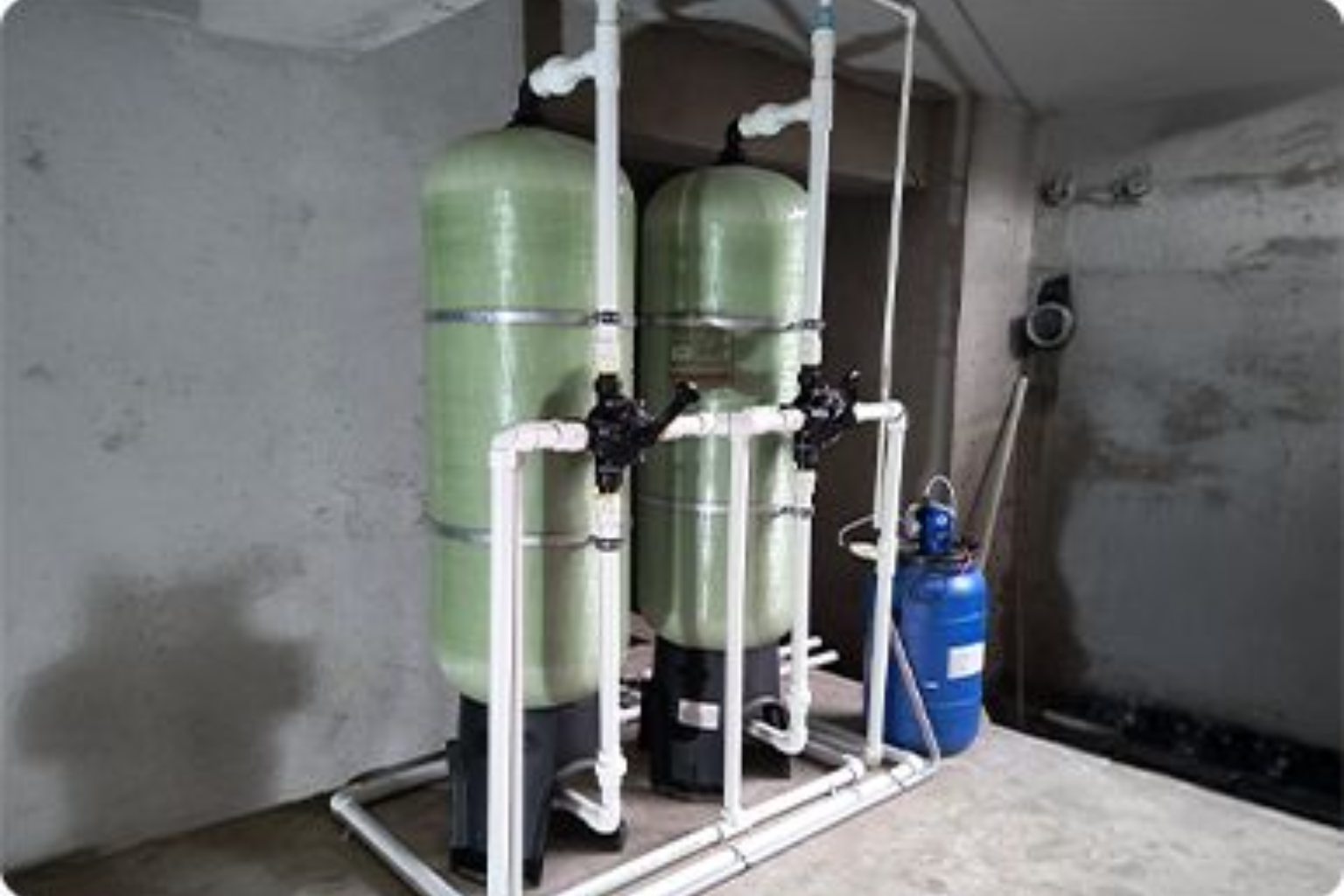
There’s a quiet moment many people experience without really thinking about it. You pour a glass of water, take a sip, and instinctively react — maybe it tastes crisp and refreshing, or maybe it feels slightly off, flat, or faintly chemical. It’s such a small detail, yet it can influence how you feel about something as simple as hydration.
Water, after all, is one of the most constant elements in daily life. We use it for cooking, cleaning, bathing, and of course, drinking. But while we often assume that clear water is good water, the reality is a bit more complicated.
Because water quality isn’t just about safety standards — it’s about taste, comfort, sustainability, and long-term health.
The Subtle Difference Between Safe and Enjoyable
Most municipal water systems are designed to ensure safety. They remove harmful pathogens, regulate chemical levels, and monitor overall quality closely. That’s reassuring, and it’s a major reason many people don’t worry about their tap water.
But safety and enjoyment aren’t always the same thing.
Even treated water can contain residual chlorine, dissolved minerals, or trace contaminants that affect how it tastes and smells. These elements might be harmless in small quantities, yet they can still influence how appealing water feels to drink.
This is why many homeowners begin exploring filtration options — not because their water is unsafe, but because they want great-tasting water that feels fresh and inviting.
And interestingly, when water tastes better, people tend to drink more of it naturally. Hydration becomes effortless rather than something that requires conscious effort.
What’s Actually in Untreated Water
Water travels a long journey before reaching your tap. It moves through natural soil layers, pipelines, and storage systems, picking up various substances along the way.
Some of these substances are natural minerals. Others may include sediment particles, chlorine residues, or trace elements from aging infrastructure.
While municipal treatment removes harmful pathogens effectively, certain compounds can remain — affecting clarity, taste, or odor.
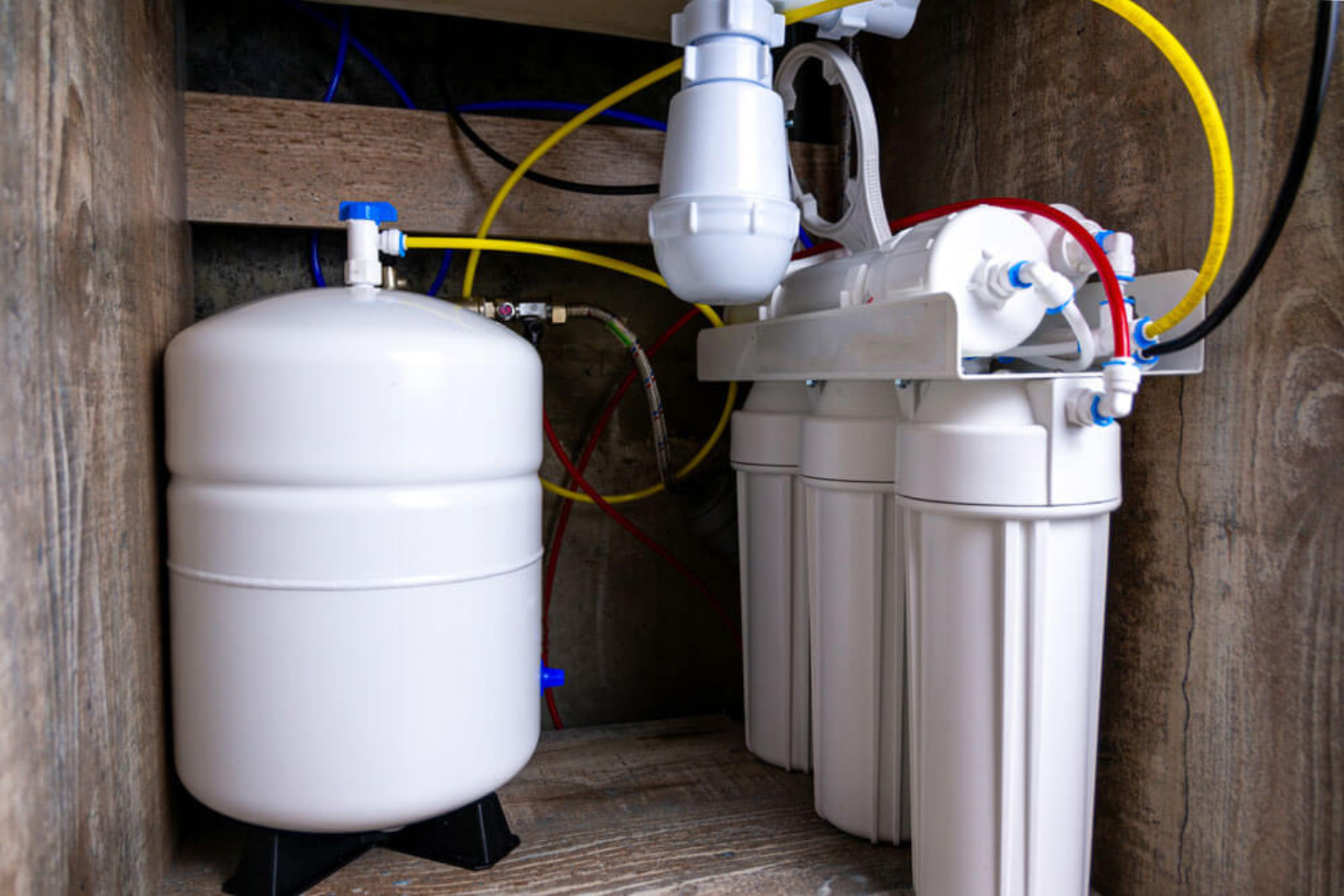
This is where contaminant removal becomes an important focus for modern filtration systems. These systems target unwanted particles, chemical residues, and microscopic impurities that standard treatment may not fully eliminate.
The result is water that not only meets safety standards but also feels cleaner and more refreshing.
Everyday Benefits You Might Not Expect
Improved water quality doesn’t just affect drinking — it influences many aspects of daily life.
For example, coffee brewed with filtered water often tastes richer and smoother. Tea retains its natural flavor without unwanted bitterness. Even cooking results can improve, as cleaner water allows ingredients to shine.
Household appliances also benefit. Reduced sediment and mineral content can help prevent buildup inside kettles, dishwashers, and water heaters, improving efficiency over time.
These practical advantages often become noticeable quickly, even though they’re rarely the primary reason people invest in filtration systems.
The Environmental Side of Water Filtration
Another growing reason homeowners choose filtration systems is sustainability. Bottled water consumption contributes significantly to plastic waste, and many people are seeking alternatives that reduce environmental impact.
This is where eco-friendly filtration plays a meaningful role. By providing reliable access to high-quality water directly from the tap, filtration systems reduce reliance on single-use plastic bottles.
Some modern systems are also designed to minimize water waste during operation, further supporting sustainable household practices.
Over time, these small changes can have a significant environmental impact.
Technology Is Making Water Care Smarter
Advancements in filtration technology have made water treatment more efficient and user-friendly than ever before.
Many systems now include multi-stage filtration processes, combining sediment removal, activated carbon treatment, and advanced purification methods.
Some even incorporate digital monitoring features that track filter performance and provide maintenance alerts.
These innovations make maintaining high-quality water simple and convenient, ensuring consistent results without requiring constant attention.
The Emotional Comfort of Reliable Water
Beyond practical and environmental benefits, there’s a deeper emotional aspect to water quality.
There’s something reassuring about knowing that the water flowing through your home is consistently clean, fresh, and safe to use.
It removes small daily uncertainties — whether when cooking for your family, filling a glass for a guest, or preparing a child’s meal.
This quiet confidence can have a surprisingly meaningful impact on everyday life.
A Small Change That Makes a Lasting Difference
Improving water quality may not seem like a dramatic home upgrade, but its effects are far-reaching. From better taste and improved appliance performance to environmental sustainability and peace of mind, the benefits accumulate over time.
Perhaps that’s what makes it so valuable — it works quietly in the background, enhancing daily routines without demanding attention.
Appreciating What Flows Through Your Tap
Water is one of life’s simplest essentials, yet it influences nearly every aspect of home comfort and well-being.
By investing in effective filtration solutions, homeowners can transform water from a basic necessity into a reliable source of refreshment, sustainability, and confidence.
Because in the end, water isn’t just something we consume — it’s something we experience every single day. And when it’s clean, fresh, and enjoyable, it quietly improves life in ways that truly matter.