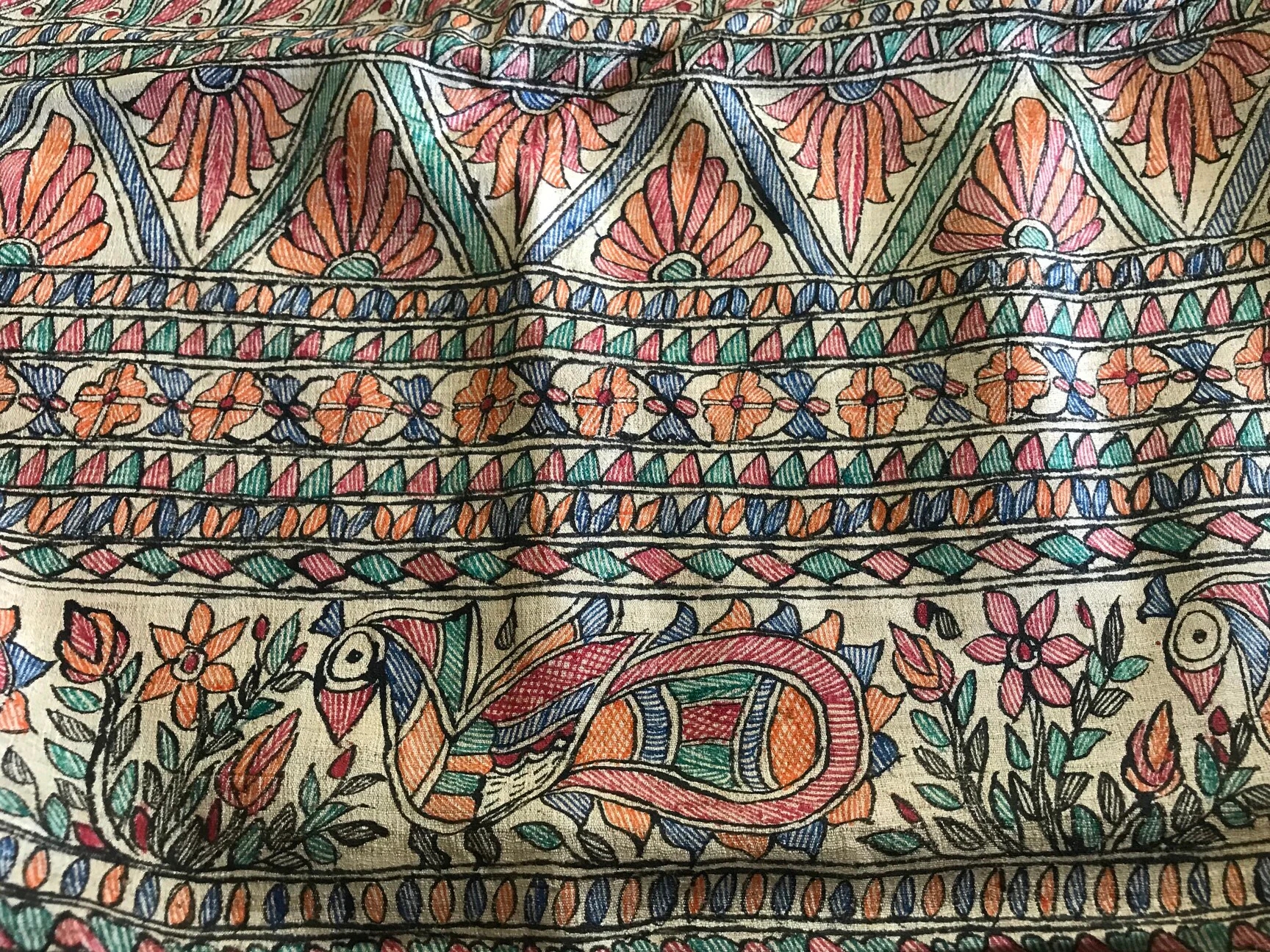
A machine-made saree bought this season rarely survives more than a handful of years in regular rotation. A well cared for handloom piece, on the other hand, can move from a mother’s wardrobe into her daughter’s without losing its drape or its colour. The difference usually has nothing to do with luck. It comes down to a handful of care habits that most buyers are never told about at the point of purchase.
Handwoven fabric behaves differently from powerloom cloth because the yarn itself is spun and set differently, and because many pieces carry hand embroidery, natural dyes, or real zari that cannot tolerate the same treatment as everyday clothing. Getting the basics right early saves both money and heartbreak later.
Why handloom fabric needs different care than mill-made cloth
Powerloom textiles are woven under uniform machine tension, which makes them fairly forgiving in a washing machine. Handloom fabric is woven by hand at a slower pace, so the tension across the cloth is naturally less even. This is part of what gives handloom its characteristic texture and slight irregularity, but it also means the fibres can loosen or fray under the same rough handling that a factory-made kurta shrugs off.
Natural dyes add another layer of consideration. Many handloom pieces are coloured using vegetable or mineral dyes that are more sensitive to heat, harsh detergent, and direct sunlight than synthetic dyes used in mass production. Treating a handwoven saree like an ordinary garment is usually the fastest way to dull its colour within a single season.
Washing rules by fabric type
Cotton and mulmul
Pure cotton and mulmul generally tolerate a gentle hand wash in cool water with a mild, pH-neutral detergent. Avoid wringing the fabric, which stresses the weave and can leave permanent crease lines. Instead, press out excess water gently and dry the piece flat or on a wide hanger, away from direct sun, which fades natural dyes faster than most people expect.
Linen
Linen is more resilient than it looks but still benefits from cool hand washing rather than a washing machine’s spin cycle, which can weaken the fibre over repeated washes. A light iron on the reverse side while the fabric is still slightly damp keeps linen crisp without flattening its natural texture.
Silk blends, tussar, and zari work
Anything with real zari, silk content, or embroidery is safest with dry cleaning, or at minimum a very gentle hand wash tested first on an inside seam. Zari threads tarnish with moisture and friction, and embroidery can pucker if it gets wet unevenly. When in doubt, a trusted dry cleaner who has handled handloom before is worth the extra cost.
Storage that protects zari and embroidery
Folding the same piece along the same lines for years is one of the most common ways handloom sarees develop permanent weak spots. Refolding along slightly different lines every few months, and occasionally rolling delicate pieces instead of folding them, prevents fibre breakdown along a fixed crease.
Muslin or cotton saree covers work far better than plastic, which traps moisture and can cause yellowing over time, especially with zari and silver thread work. A few silica gel packets or neem leaves tucked into the storage box help control humidity and keep pests away without the harsh smell of naphthalene balls.
Small habits that add years to a piece
Airing a saree out for an hour after wearing it, before folding it away, lets any trapped moisture escape and reduces musty odours over time. Spot cleaning small stains immediately rather than waiting for the next full wash also prevents a mark from setting permanently into natural fibre.
For anyone building a wardrobe of handwoven cotton and linen pieces from the ground up, it helps to start with fabric that is genuinely woven for durability rather than trend cycles. Collections such as handwoven cotton sarees at Swades Creations are a useful reference point for what well-constructed handloom cloth should feel and drape like before you buy anywhere else.
Conclusion
Handloom fashion is often described as an investment, but that word only holds true if the fabric is looked after properly. None of the care steps above require special equipment or a large amount of time. They simply ask for a little more attention than a synthetic outfit would need, in exchange for a piece of clothing that can genuinely last for decades rather than a couple of seasons.