
 Admin
Admin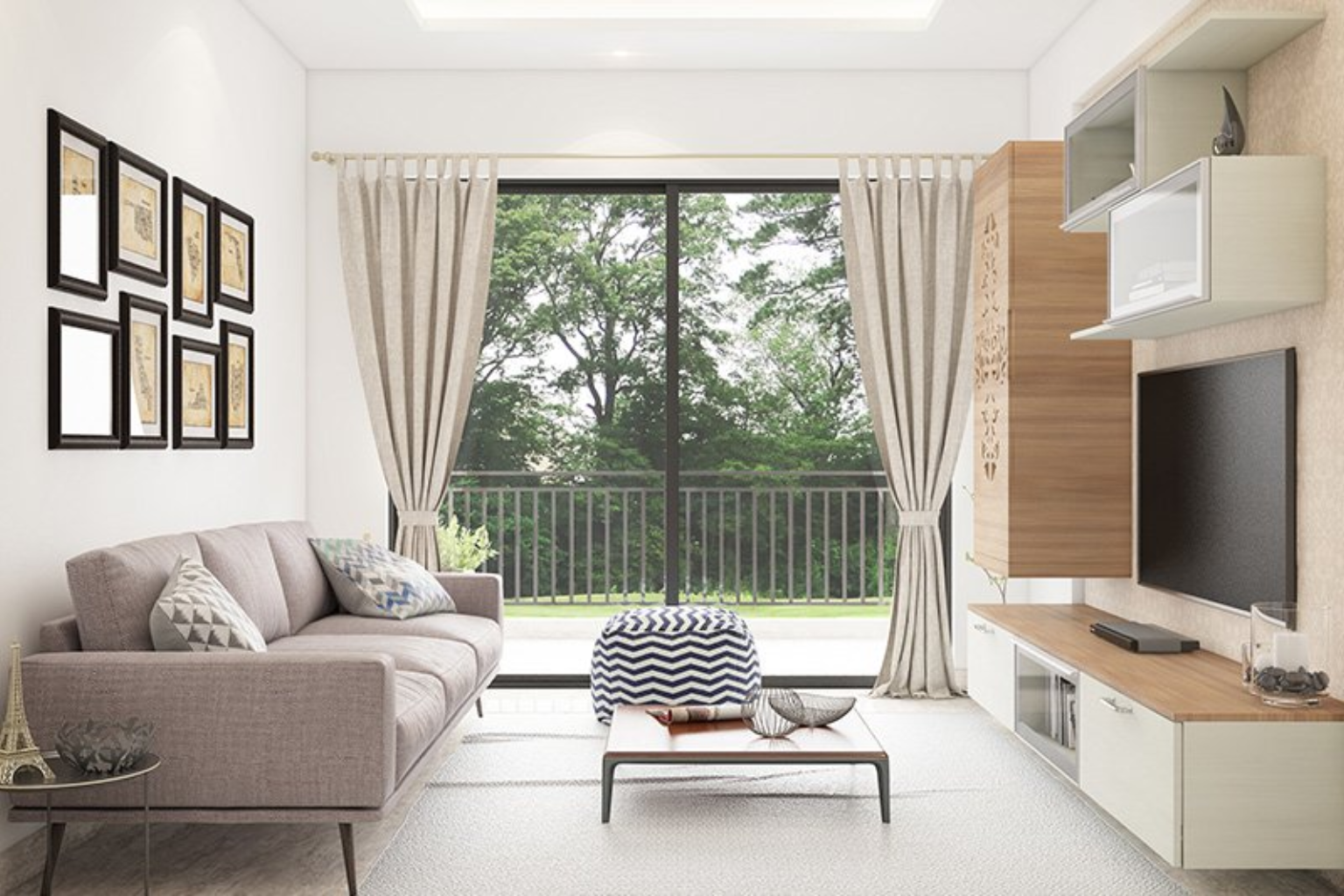
There’s a particular kind of stress that comes from clutter. You don’t always notice it right away. It’s subtle — a countertop that feels crowded, a drawer that refuses to close properly, a bathroom shelf stacked just a little too high. Over time, though, that visual noise adds up.
The funny thing is, most homes don’t actually lack space. They lack thoughtful storage. And there’s a difference.
When storage is designed well, it blends in. It works quietly in the background, keeping daily life organized without making the room feel clinical or over-engineered. The goal isn’t to hide everything like a magician. It’s to create balance — practical, yes, but still beautiful.
Start With What You Actually Use
Before you start installing shelves or buying bins, take a step back. What do you really need to store? And how often do you use those items?
Good interior design storage ideas aren’t about adding more compartments for the sake of it. They’re about understanding your habits. If you reach for certain items every day, they shouldn’t be buried at the back of a cabinet. If something hasn’t been touched in a year, maybe it doesn’t need prime real estate.
Decluttering is the first step in smart storage. It’s not glamorous, but it makes everything that follows more effective.
Once you’ve edited, the space starts to reveal its possibilities.
Hidden Doesn’t Mean Invisible
One common misconception is that storage must always be hidden to look good. That’s not entirely true.
Closed cabinets are wonderful for concealing messier items, but open shelving can add personality when styled thoughtfully. A few neatly stacked books, woven baskets, or ceramic containers can turn functional storage into part of the room’s design story.
The trick is restraint. Open storage works best when it’s curated, not crowded.
Balance open and closed elements so the room feels layered rather than overloaded.
The Kitchen: Function First, But Make It Beautiful
Kitchens are where storage really earns its keep. Pots, pans, spices, appliances — it’s a lot. Without a plan, countertops quickly become dumping grounds.
Thoughtful kitchen storage can completely change how the room functions. Deep drawers instead of lower cabinets make it easier to access cookware. Pull-out pantry shelves prevent items from disappearing into the abyss. Vertical dividers for trays and cutting boards keep things upright and organized.
Even small upgrades matter. Drawer organizers for utensils. Hooks inside cabinet doors for measuring spoons. Clear containers for dry goods.
And aesthetically? Matching containers, cohesive hardware, and well-placed lighting elevate the whole experience. A kitchen that’s organized feels calmer. And that calm shows up in how you cook and gather.
Making the Most of Awkward Spaces
Every home has them — odd corners, narrow alcoves, the space under the stairs.
Instead of ignoring these areas, treat them as opportunities. Custom shelving in a tight hallway can house books or decorative objects. A slim console behind a sofa can offer discreet storage. Even the space beneath a window can accommodate a built-in bench with hidden compartments.
You don’t always need major renovations. Sometimes a well-placed floating shelf or a stack of attractive storage boxes is enough.
Creativity often thrives within constraints.
The Bathroom: Small Space, Big Impact
Bathrooms rarely offer generous square footage, yet they hold an impressive amount of daily essentials. Towels, toiletries, cleaning supplies — it adds up fast.
Efficient bathroom storage requires thinking vertically. Wall-mounted cabinets free up floor space. Open shelves above the toilet can house folded towels or baskets. Vanity drawers with dividers keep smaller items from becoming chaotic.
Mirrored cabinets serve double duty, combining storage with function. Even recessed niches in shower walls can eliminate the need for bulky caddies.
The goal is to keep surfaces clear. A bathroom with minimal countertop clutter instantly feels more spa-like — even if it’s compact.
Storage That Adapts Over Time
Life changes. Families grow. Work-from-home setups expand. Hobbies evolve.
Storage solutions should adapt too.
Modular shelving systems allow for rearrangement as needs shift. Adjustable closet rods accommodate seasonal wardrobe changes. Multi-functional furniture — ottomans with hidden compartments, beds with drawers — offers flexibility.
Design with tomorrow in mind, not just today.
Texture and Material Matter
Storage doesn’t have to feel utilitarian. Materials can soften its presence.
Woven baskets add warmth. Wooden crates bring texture. Fabric bins feel less harsh than plastic containers. Even metal shelving can look refined when styled intentionally.
The key is cohesion. Choose materials that complement the room’s overall palette and mood. Storage should support the design, not compete with it.
Less Is Often More
One of the most overlooked storage principles is knowing when to stop.
Adding too many compartments can make a space feel overly segmented. Sometimes simplifying — reducing the number of items stored in a room — creates more breathing space than adding another cabinet ever could.
Storage should create ease, not complexity.
A Home That Feels Lighter
When storage works well, you notice it indirectly. You find things quickly. Surfaces stay clear. Rooms feel open rather than crowded.
It’s not about perfection. It’s about flow.
A well-organized home doesn’t eliminate life’s messiness — it simply contains it more gracefully. And that subtle shift can change how you feel when you walk through the door at the end of the day.