 Admin
Admin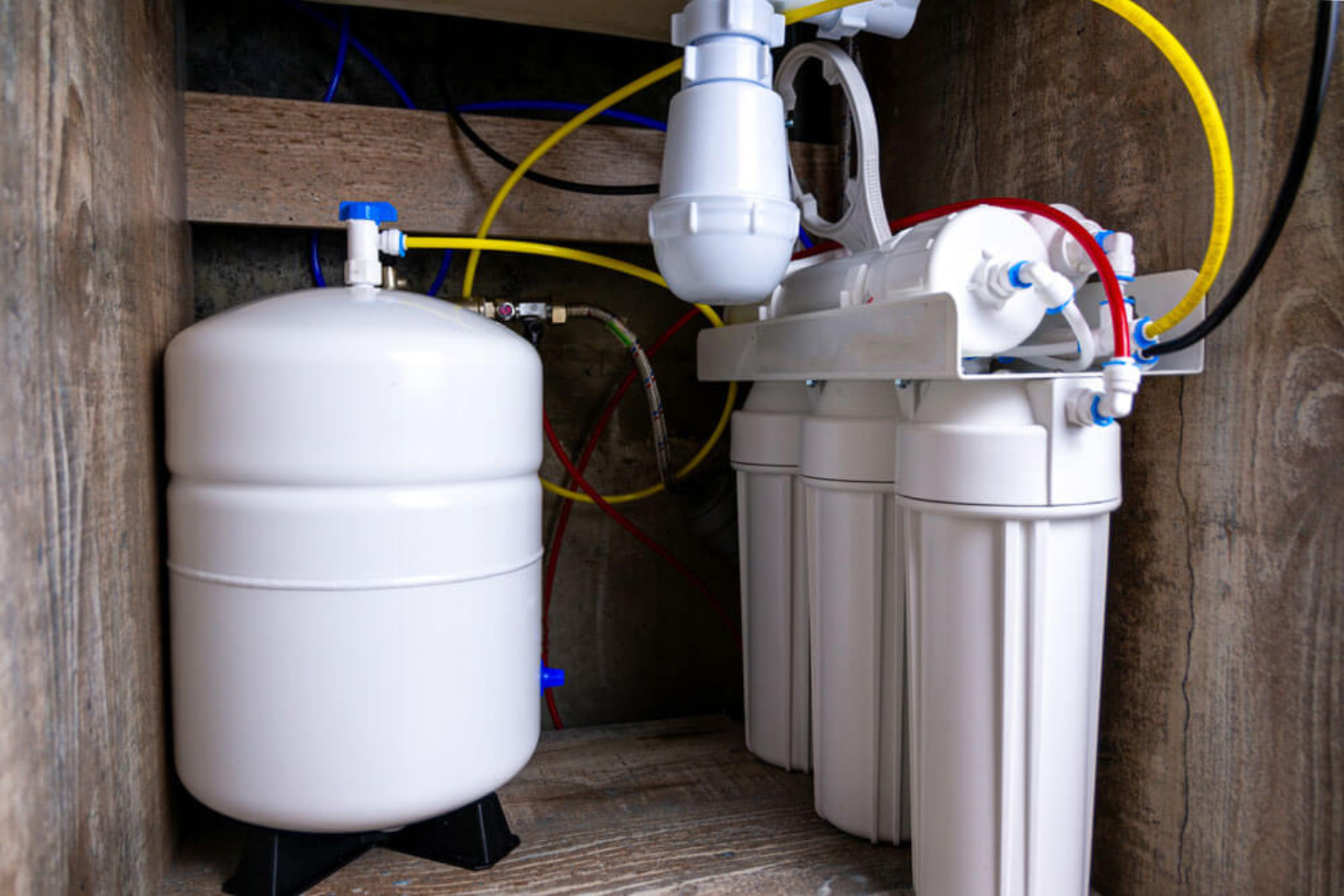
There’s a moment most people can relate to. You fill a glass from the tap, take a sip, and pause. It’s not terrible. It’s not alarming. But it’s not exactly refreshing either. Maybe there’s a faint metallic note. Maybe it smells slightly chemical. Or maybe you’ve just read enough about aging pipes and regional water issues to start wondering what’s really in that glass.
That quiet curiosity is often what leads homeowners to explore filtration options. And sooner or later, the conversation turns to reverse osmosis.
Why So Many People Talk About RO Systems
Reverse osmosis — usually shortened to RO — has become almost synonymous with high-quality home filtration. It sounds technical because it is. The system pushes water through a semi-permeable membrane that filters out dissolved solids and impurities at a microscopic level.
When people discuss the benefits of reverse osmosis systems, they’re usually talking about precision. RO isn’t just skimming the surface. It’s removing contaminants that simpler filters can’t always catch — including certain heavy metals, nitrates, fluoride, and dissolved salts.
For households concerned about what they’re consuming daily, that level of filtration offers a kind of reassurance that basic carbon filters may not provide.
What’s Actually Being Removed?
It’s easy to talk about “cleaner water” in broad terms, but specifics matter. One of the primary goals of reverse osmosis is contaminant removal. Municipal water supplies are regulated, yes — but they can still contain trace amounts of substances that affect taste, odor, or long-term quality.
RO membranes are designed to filter out microscopic particles that pass through many traditional filters. That includes lead, arsenic, certain bacteria, and excess dissolved minerals.
This doesn’t mean your tap water is unsafe. In most developed regions, it meets safety standards. But meeting standards isn’t the same as optimizing quality.
For families with small children, elderly relatives, or sensitive health concerns, the extra layer of filtration often feels worthwhile.
The Taste Factor Is Real
Let’s be honest — for many people, taste is the deciding factor.
If you’ve ever compared tap water to properly filtered water side by side, the difference can be striking. Reverse osmosis water tends to taste crisp, neutral, and noticeably cleaner.
When you pour a glass of pure water from an RO system, there’s no lingering aftertaste. No chlorine edge. No mineral heaviness.
That improvement doesn’t just affect drinking water. It influences coffee flavor, tea clarity, and even the taste of soups and pasta. Water is the base ingredient in countless recipes, and when the base improves, so does everything built on top of it.
Not a One-Size-Fits-All Solution
That said, reverse osmosis isn’t automatically necessary for every home.
Some regions already have relatively soft, clean municipal water that may only require light filtration. In those cases, a full RO setup might be more than you need.
There’s also the question of efficiency. Traditional RO systems can produce some wastewater during filtration. Modern systems have improved significantly in this area, but it’s still something environmentally conscious homeowners consider.
That’s why testing your water first makes sense. Know what you’re dealing with. Hardness levels. Contaminant presence. Chlorine concentration. Once you have the data, you can choose a system that fits your situation rather than guessing.
Installation and Maintenance
One common concern is complexity. People imagine bulky equipment and complicated upkeep.
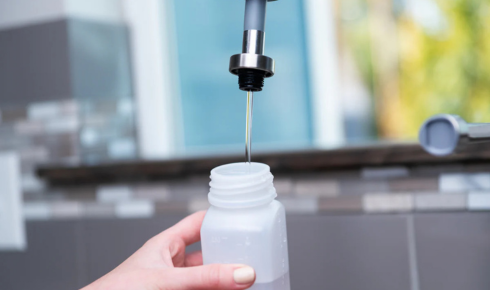
In reality, most residential RO systems are compact and installed under the kitchen sink. They connect directly to a dedicated faucet, providing filtered drinking water on demand.
Maintenance typically involves replacing pre-filters and post-filters once or twice a year, and the membrane every few years. It’s manageable — more like routine home maintenance than a full-time project.
And once it’s in place, you don’t think about it much. You just turn on the tap.
Long-Term Value
There’s always a financial component to consider. Reverse osmosis systems have upfront costs. Installation, filters, periodic maintenance — it adds up.
But compare that to years of buying bottled water. Or the convenience of not hauling heavy cases from the store. Over time, many homeowners find the investment balances out.
There’s also the environmental benefit. Fewer plastic bottles. Less waste. More control over your own water supply.
The Emotional Side of Clean Water
Beyond numbers and specifications, there’s a simple comfort in knowing your water is thoroughly filtered.
You fill a glass for your child without hesitation. You cook without second-guessing the source. You stop wondering whether bottled water is safer.
Water is foundational. We use it dozens of times a day without thinking twice. Improving it isn’t about luxury — it’s about refinement.
Is It Worth It?
That depends on your priorities.
If taste matters deeply to you, if you’re concerned about specific contaminants, or if your local water supply leaves something to be desired, reverse osmosis can be transformative.
If your water is already relatively clean and you’re satisfied with it, a simpler system might be sufficient.
The key is making an informed decision, not reacting to marketing claims or fear-based headlines.
A Thoughtful Upgrade
In the end, reverse osmosis isn’t about chasing perfection. It’s about improving something you rely on every single day.
Water touches everything — your health, your cooking, your comfort. Taking the time to evaluate its quality and choose the right solution is simply good home management.
And once you’ve experienced the clarity, the taste, and the confidence that comes with well-filtered water, it becomes hard to go back.
Sometimes, the smallest changes — like what’s in your glass — make the biggest difference.