 Admin
Admin
Water is one of those things we assume will just… work. Turn the tap, fill the glass, start the dishwasher. It’s automatic. Invisible. Reliable.
Until it isn’t.
Maybe your water tastes slightly metallic. Maybe there’s scale building up on your showerhead. Or maybe you’ve read one too many articles about what can travel through aging infrastructure and now you’re wondering if you should be doing more.
The truth is, improving your home’s water isn’t about chasing trends. It’s about understanding what your water actually contains — and what your household genuinely needs.
The First Step: Know What’s in Your Water
Before investing in any system, you have to start with information.
Municipal water is treated, yes — but it still travels through pipes before reaching your home. Well water comes straight from underground sources and varies widely depending on geology and environmental factors.
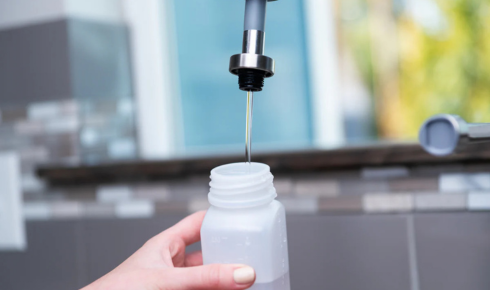
Testing your water reveals what you’re working with. Hardness levels. Chlorine presence. Sediment. Trace contaminants.
Without testing, you’re essentially buying solutions blindfolded.
And when it comes to water, precision matters.
When Clean Means More Than Clear
Water can look perfectly clear and still carry substances you’d rather not consume daily. That’s where the idea of contaminant reduction becomes important.
Filtration systems are designed to remove or reduce unwanted elements — chlorine, certain heavy metals, organic compounds, and in some cases bacteria. Different systems address different concerns. Carbon filters improve taste and odor. Reverse osmosis goes deeper, removing dissolved solids. UV systems target microorganisms.
The goal isn’t to sterilize water beyond recognition. It’s to refine it — to reduce what doesn’t belong while preserving what makes it safe and usable.
And once filtration is properly matched to your water profile, the difference can be surprisingly noticeable. Taste improves. Odors fade. Confidence grows.
The Quiet Impact of Hard Water
Not all water problems are about safety. Some are about comfort and long-term wear.
Hard water contains calcium and magnesium. These minerals aren’t dangerous, but they create scale. White buildup on faucets. Streaky glassware. Soap that doesn’t lather well.
This is where mineral control becomes relevant.
Water softeners use an ion exchange process to replace hardness minerals with sodium or potassium. The result is water that feels smoother and leaves fewer deposits behind.
Showers may feel gentler. Laundry softer. Cleaning becomes less of a constant battle against residue.
It’s not about perfection. It’s about reducing friction — literally and figuratively.
Matching Solutions to Real Life
One of the biggest mistakes homeowners make is assuming one system does everything.
A filter won’t soften hard water. A softener won’t remove chlorine. Each tool has a purpose.
The smartest approach is aligning treatment systems with your actual household needs.
If you’re frustrated by taste and odor, focus on filtration. If scale is damaging appliances, consider softening. If you’re on a private well, testing for bacteria and sediment may guide you toward additional layers of protection.
It’s rarely about buying the biggest system. It’s about solving the right problem.
Maintenance: The Overlooked Piece
Installing a system is only part of the story.
Filters need replacement. Softeners need salt refills. UV systems require bulb changes.
Maintenance isn’t complicated, but it is essential.
A neglected system can lose effectiveness gradually, sometimes without obvious signs. Staying on top of service schedules keeps performance consistent.
Think of it like changing the oil in your car. Small effort, long-term payoff.
Considering the Long View
Improved water quality can influence more than just what you drink.
Appliances may operate more efficiently. Plumbing can experience less internal buildup. You might use less detergent or cleaning product.
These benefits accumulate quietly.
They don’t always show up as dramatic savings overnight, but over time, they create a smoother-running household.
And that steady improvement matters.
Avoiding the Overcomplication Trap
It’s easy to feel overwhelmed by technical jargon and endless product comparisons.
But at its core, water treatment comes down to three questions:
- What’s in my water?
- What problems am I experiencing?
- What system addresses those specific issues?
Answer those clearly, and the rest becomes manageable.
A Balanced Perspective
Water quality doesn’t need to become an obsession. Most systems function safely and reliably. The goal isn’t fear — it’s awareness.
When you understand your water, you make better decisions.
And when your water supports your home rather than subtly working against it, daily life feels easier.
You stop noticing the small irritations. You trust the tap. You spend less time scrubbing scale and more time enjoying your space.
Final Thoughts
Improving your home’s water isn’t about chasing trends or installing flashy equipment.
It’s about clarity — in both a literal and practical sense.
By focusing on contaminant reduction where needed, managing minerals when necessary, and aligning systems with real household demands, you create a water environment that works with you rather than against you.