 Admin
Admin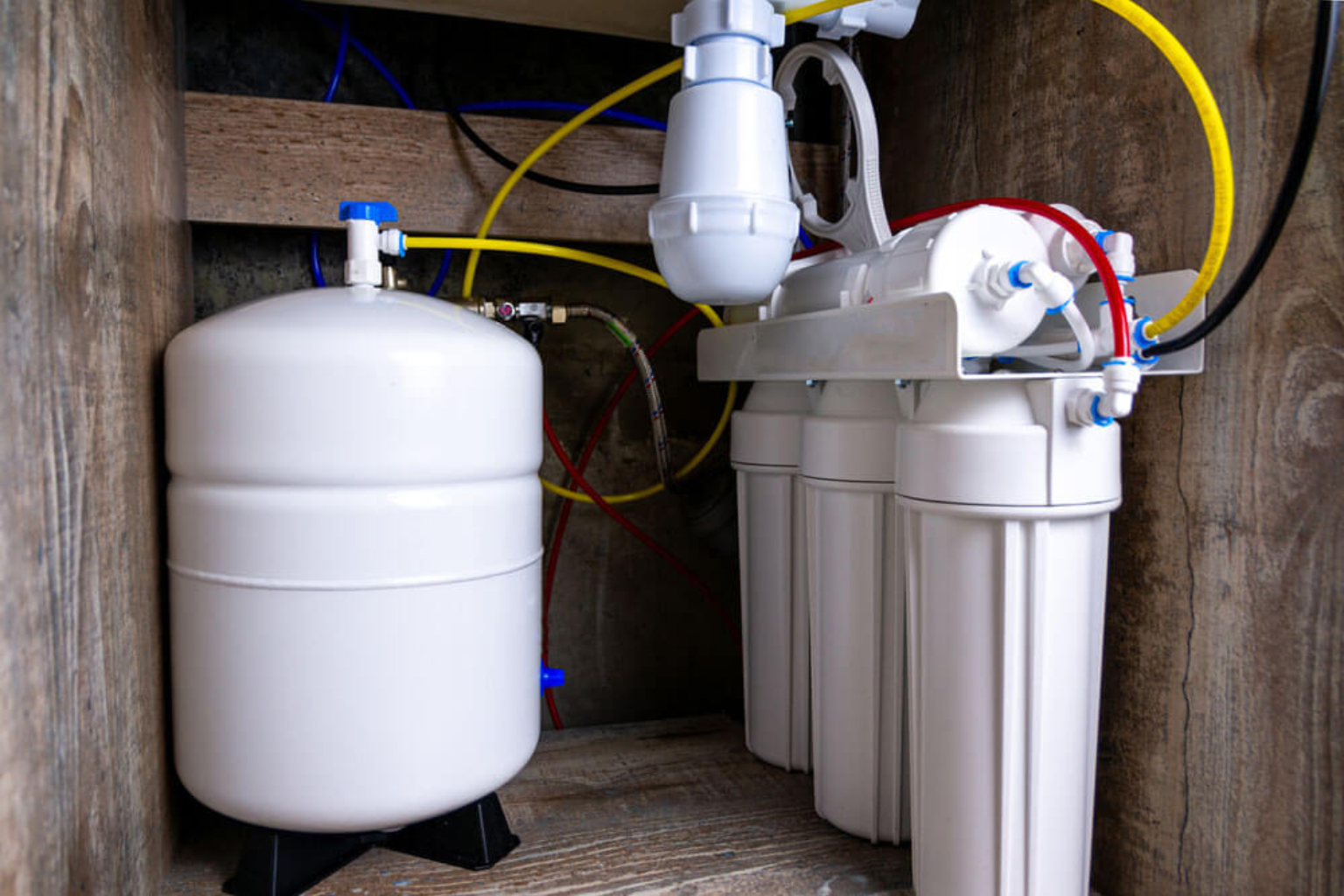
Water is one of those things we assume is fine—until we don’t.
You turn on the tap and notice a faint smell. Or maybe your dishwasher leaves spots that never quite rinse away. Sometimes it’s subtler than that. The water tastes slightly metallic. Your skin feels tight after a shower. Nothing alarming, just… off.
And that’s when homeowners start asking questions. Not because they’re looking for something fancy, but because water touches nearly every part of daily life. Drinking, cooking, bathing, laundry, cleaning. It’s constant. So when it’s not quite right, it lingers in the back of your mind.
The good news? Most water issues are manageable. The better news? The right solution depends on your specific situation, not a one-size-fits-all approach.
Step One: Understand What’s Actually in Your Water
Before jumping into equipment or installations, the smartest move is simple: test your water.
Municipal water systems publish annual quality reports. Well owners should test at least once a year, sometimes more depending on local conditions. Testing reveals what’s present—chlorine, sediment, hardness minerals, iron, or other contaminants.
Without that information, choosing a treatment system is guesswork.
And guesswork can get expensive.
When Contaminants Are the Main Concern
If your water report highlights chemical residues, chlorine, or trace contaminants, you’re likely looking for effective contaminant reduction.
Filtration systems—especially multi-stage units—are designed for this purpose. Activated carbon filters reduce chlorine taste and odor. Reverse osmosis systems go further, removing dissolved solids and many impurities that standard filters can’t catch.
The difference often shows up first in taste. Water feels lighter, cleaner. Coffee improves. Even ice cubes look clearer.
It’s not about paranoia. It’s about refinement.
When you know what’s being filtered out, you stop second-guessing every glass you pour.
The Mineral Factor That Sneaks Up on You
Not all water issues are about contaminants. Sometimes it’s the minerals.
Hard water contains calcium and magnesium. They’re naturally occurring and generally safe, but they leave their mark. White scale on faucets. Cloudy glassware. Reduced lather from soap.
Over time, those minerals accumulate inside pipes and appliances.
That’s where mineral control becomes important.
Water softeners are specifically designed to address hardness. They don’t remove chemicals or bacteria. Instead, they alter how water behaves, reducing scale formation and helping appliances operate more efficiently.
If you’re constantly scrubbing residue from shower doors or noticing stiff laundry, hardness might be your real issue.
Considering the Bigger Picture
The most common mistake homeowners make is solving only one part of the puzzle.
Maybe they install a drinking water filter but ignore hardness affecting their appliances. Or they add a softener but never address chlorine taste.
The right solution often depends on your household needs.
Are you primarily concerned about drinking water quality? A point-of-use filtration system might be enough.
Are you noticing scale buildup throughout the home? A whole-house softener could make sense.
Do you want both improved taste and protection for plumbing? A combined approach may be the answer.
The key is alignment. Treatment systems should reflect how you actually use water in your home.
Maintenance: The Often-Overlooked Reality
No system is maintenance-free.
Filters need replacing. Softener salt must be refilled. UV bulbs in purification systems eventually burn out.
Skipping maintenance reduces effectiveness. It’s that simple.
But when properly maintained, these systems quietly do their job in the background. You stop thinking about water quality because it becomes consistent.
And consistency is what most homeowners are really after.
Budget and Long-Term Value
Upfront cost is often the biggest hesitation.
Water treatment systems range widely in price. Simple under-sink filters are affordable. Whole-house systems require a larger investment.
But it’s worth thinking long-term.
Reduced scale can extend appliance life. Cleaner water can lower bottled water purchases. Efficient systems may support lower energy usage.
The value isn’t always immediate. It accumulates.
Like many home improvements, it’s less about instant gratification and more about gradual benefit.
The Comfort Factor
There’s something reassuring about knowing your water is working for you, not against you.
You fill a glass without hesitation. You shower without noticing dryness. Your appliances run smoothly.
Water doesn’t have to be exciting. It just needs to be dependable.
And when treatment is tailored to your specific water profile, it becomes exactly that.
A Thoughtful Approach Wins Every Time
It’s easy to get caught up in marketing claims or neighbor recommendations. But water treatment isn’t about trends.
It’s about understanding what’s in your water, identifying what bothers you most, and choosing the simplest solution that addresses those concerns.
Start with testing. Ask questions. Consider your lifestyle.
Then act deliberately.
Final Thoughts
Water is foundational. It supports your health, your comfort, your home’s infrastructure.
Addressing water quality isn’t dramatic. It’s practical.
Whether your priority is contaminant reduction, mineral control, or simply aligning treatment with your household’s needs, the goal remains the same: reliable water that supports daily life without distraction.