Electric bikes have transformed the way people commute, exercise, and explore. At the center of every e-bike is the motor, a powerful component that provides assistance while pedaling and makes riding easier and more enjoyable. Whether you are a daily commuter, a weekend adventurer, or someone looking for an eco-friendly transportation option, understanding the role of an electric bike motor can help you make a smarter purchasing decision.
What Is an E-Bike Motor?
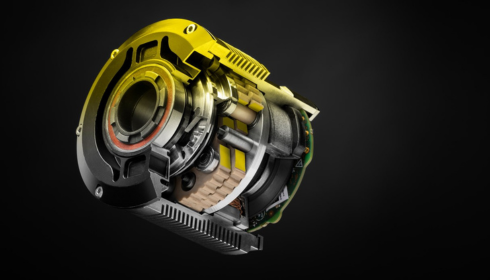
An e-bike motor is an electric-powered device that assists the rider by providing additional power while pedaling. It works alongside the battery and controller to create a smooth riding experience. The motor reduces the effort required to climb hills, travel long distances, and ride against strong winds.
Modern e-bike motors are designed to be efficient, lightweight, and reliable. They can significantly improve riding comfort while maintaining the feel of traditional cycling.
Types of E-Bike Motors
Hub Motors
Hub motors are mounted inside the wheel hub, either in the front or rear wheel. These motors are among the most common options available today.
Benefits of hub motors include:
- Lower maintenance requirements
- Quiet operation
- Affordable pricing
- Easy installation
Rear hub motors generally provide better traction and a more natural riding feel compared to front hub motors.
Mid-Drive Motors
Mid-drive motors are positioned near the bike’s crankset and drive the chain directly. This design offers excellent weight distribution and superior climbing ability.
Advantages include:
- Better performance on steep hills
- Improved balance
- Higher efficiency
- Enhanced control
Mid-drive systems are often found on premium electric bikes designed for mountain biking and long-distance touring.
Key Features to Consider
Power Output
Motor power is usually measured in watts. Common e-bike motors range from 250W to 1000W or more.
- 250W motors are ideal for city commuting.
- 500W motors provide stronger acceleration and hill-climbing ability.
- 750W and above are suitable for demanding terrain and heavy loads.
The right motor depends on your riding style and local regulations.
Torque
Torque refers to the rotational force generated by the motor. Higher torque means better acceleration and stronger climbing performance.
Riders who frequently encounter steep inclines should prioritize motors with higher torque ratings.
Efficiency
Motor efficiency affects battery consumption and overall riding range. High-quality motors maximize power output while minimizing energy usage, allowing riders to travel longer distances on a single charge.
Benefits of Choosing a Quality Motor
A premium ebike motor can dramatically improve the riding experience. Quality motors provide smoother power delivery, quieter operation, and greater durability.
Some notable benefits include:
- Easier hill climbing
- Reduced physical strain
- Extended travel range
- Faster commuting
- Better overall comfort
Investing in a reputable motor system often results in fewer maintenance issues and better long-term value.
Maintenance Tips for Long Motor Life
Although e-bike motors require relatively little maintenance, proper care can extend their lifespan.
Keep the Bike Clean
Dirt and debris can affect motor performance over time. Regular cleaning helps prevent unnecessary wear.
Avoid Excessive Water Exposure
Most motors are weather-resistant, but prolonged exposure to heavy rain or direct water pressure should be avoided.
Monitor Battery Health
A healthy battery helps the motor perform efficiently. Follow manufacturer recommendations for charging and storage.
Perform Regular Inspections
Check wiring connections, mounting hardware, and drivetrain components periodically to ensure everything remains in good working condition.
The Future of E-Bike Motors
The e-bike industry continues to evolve rapidly. Manufacturers are developing lighter, more powerful, and more efficient motors every year. Advanced features such as smart sensors, automatic power adjustment, and integrated connectivity are becoming increasingly common.
As battery technology improves, riders can expect even greater range and performance from future electric bike systems. These innovations are helping make e-bikes a practical transportation solution for millions of people around the world.
Conclusion
The motor is the driving force behind every electric bicycle, influencing performance, comfort, and efficiency. Understanding the differences between motor types, power levels, and key features can help riders choose the perfect e-bike for their needs. Whether you prioritize commuting convenience, recreational riding, or off-road adventures, selecting the right motor ensures a smoother, more enjoyable cycling experience for years to come.