 Admin
Admin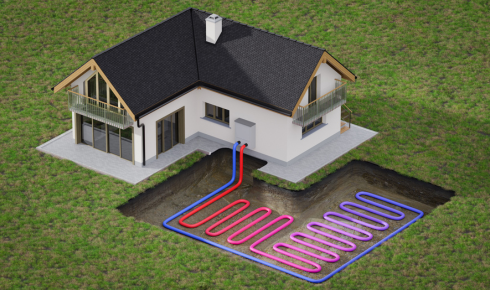
When we talk about staying cool during brutal summers—or staying warm when the chill bites—you probably think of air conditioners or furnaces, right? Big clunky machines that blast air and chew up your electricity bill. But there’s a quieter, smarter, and incredibly sustainable option humming just beneath our feet: geothermal.
Yeah, geothermal. It sounds like a term you’d hear in a geology class, but it’s reshaping the way homeowners think about heating and cooling. And if you’re even a little eco-conscious or tired of sky-high utility bills, this might be one of the most practical solutions you haven’t fully considered.
Digging Into the Basics
Here’s the gist: geothermal systems tap into the stable temperature underground—typically around 55°F (13°C) year-round—to regulate the temperature inside your home. Instead of generating heat or cold from scratch, these systems move it in and out, depending on what your home needs.
It’s not magic. It’s science—well-tested and increasingly common in both residential and commercial settings.
The way it works is pretty straightforward. Pipes (called ground loops) are buried in your yard or drilled vertically. A heat pump inside your home moves a fluid through those pipes. In summer, the system pulls heat from your house and sends it into the earth. In winter, it reverses, drawing that consistent underground warmth back up into your home.
Why Everyone’s (Quietly) Talking About It
There’s a lot of hype around new tech in the HVAC world—smart thermostats, ductless systems, high-efficiency furnaces—but geothermal keeps a relatively low profile. Maybe it’s because it sounds too complex or expensive. Or maybe it’s because it’s, well… underground.
But here’s the deal: once installed, geothermal systems are some of the most efficient climate control systems out there. We’re talking up to 70% more energy-efficient than traditional systems. That’s not a typo.
And maintenance? Surprisingly minimal. You don’t have to worry about outdoor condensers getting gunked up with leaves or snow. Most of the system is tucked away safely underground or inside your home, far from the wear and tear of the elements.
If you’re looking to reduce your carbon footprint and embrace a cleaner way to cool your home, geothermal cooling solutions are one of the most powerful tools available.
The Green Heart of HVAC
Now, let’s talk sustainability. You’ve probably heard the term “eco-friendly” tossed around a lot—it’s on everything from grocery bags to phone cases. But in the world of heating and cooling, going green isn’t just a buzzword. It’s a necessity.
HVAC systems account for a huge chunk of a building’s energy consumption. And if that energy is coming from fossil fuels, you’re looking at a hefty environmental impact. Geothermal changes that equation.
By using the earth’s own stable temperatures, these systems drastically cut down on the need for gas or electricity from polluting sources. They’re quiet, clean, and don’t release emissions into the air around your home. You’re not just saving money—you’re helping your planet breathe easier.
So when people talk about eco-friendly HVAC systems, geothermal deserves a front-row seat in that conversation.
But What About the Cost?
Alright, let’s be real. Installing a geothermal system isn’t pocket change. Depending on your location, home size, and the layout of your yard, you could be looking at $10,000 to $30,000 for a full install.
Yeah, that’s a chunk of change. But here’s the twist: you’ll likely start seeing savings on your energy bills right away—often slashing costs by 30% to 70%. And with energy prices not exactly getting cheaper, those monthly savings can really add up.
Plus, there are federal tax credits and local incentives designed to encourage homeowners to make the switch. Combine that with the system’s longevity (some loops last 50+ years), and the investment starts to look a lot more attractive.
When Things Go Sideways: Repairs & Maintenance
Like any major system in your home, geothermal isn’t immune to hiccups. Leaks in the ground loop, heat pump issues, or control system failures can crop up, especially if the install wasn’t done right or the system’s aging.
But the good news? There’s a growing network of professionals who specialize in these systems. Companies that focus on geothermal repair services are trained to diagnose and resolve issues without tearing up your whole yard. Most problems are fixable without drama.
Regular check-ups help too. An annual inspection of the heat pump and connections, along with occasional monitoring of fluid pressure in the loops, goes a long way in avoiding any major headaches.
Is It Right for You?
Here’s where things get personal. Geothermal isn’t for everyone. If you live in a high-rise or don’t have access to outdoor space for ground loops, the installation might be a non-starter. In some dense urban areas, drilling could also be limited or cost-prohibitive.
But for homeowners with a yard—or even a shared plot in a community housing situation—it’s a strong contender. It’s quiet. It’s reliable. And it’s one of the few HVAC upgrades that actively pays you back over time.
Beyond that, there’s a certain peace of mind in knowing your comfort system isn’t poisoning the air, or racking up a massive carbon footprint.
The Bottom Line
Switching to geothermal isn’t just a home improvement—it’s a mindset shift. It’s about choosing long-term comfort, savings, and sustainability over quick fixes and band-aid solutions.
Yes, it requires a little upfront commitment. Yes, you’ll want to work with pros who know their stuff. But when everything’s up and running, it’s hard to beat the quiet, consistent comfort that geothermal brings to the table.
If you’re tired of sweating out summers or cranking the heat in winter—and you care even a little about your environmental impact—then geothermal might just be the best decision you didn’t know you could make.
Final Thought
Comfort doesn’t have to come with a cost to the planet. Geothermal gives you both: cozy winters, cool summers, and a cleaner conscience year-round.