 Admin
Admin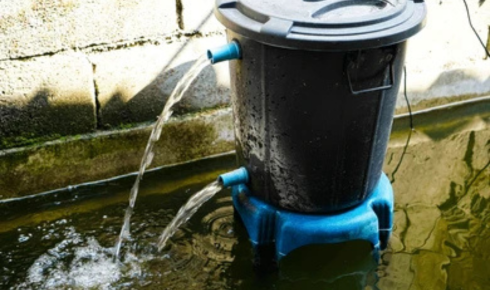
There’s something deeply calming about a pond. Whether it’s tucked in a backyard or sits out by a rural homestead, the quiet ripples and reflective water surface have a way of making the world slow down. But what’s not so calming? Murky water, floating gunk, and that ever-so-mild whiff of something not-so-fresh. That’s where good filtration comes in—something too many pond owners either underestimate or overcomplicate.
Today, let’s unpack the art (and science) of pond water filtration in a down-to-earth, no-jargon kind of way. Whether you’re trying to keep koi happy or hoping to use pond water more sustainably, this guide has you covered.
Why Pond Filtration Even Matters
You don’t need to be a biologist to understand that stagnant water becomes a breeding ground for trouble. Algae blooms, mosquito infestations, bad smells, and even unhealthy conditions for fish can all creep in without a proper filtration system.
But filtration isn’t just about fish. It’s about creating a healthy ecosystem, maintaining balance, and—if you’re going the sustainable route—ensuring your pond water is usable for other purposes.
Not all filters are created equal, though. That’s where a well-chosen pond intake filter plays a huge role. It’s like the gatekeeper at the start of your filtration system—sifting out the bigger debris (leaves, twigs, floating scum) before the water gets passed along to the finer filters.
Different Filters, Different Jobs
Let’s break it down simply. Think of filtering pond water like making coffee:
- The intake filter is your coffee grinder—prepping the raw stuff.
- The mechanical filter is the paper filter—catching the grounds.
- The biological filter is your brewing process—removing what your eye can’t see but your body would definitely notice.
Each part serves a purpose. Skip one, and things go south quickly.
For example, if you only rely on a pump without any filtration, you’re just circulating dirty water faster. It’s like stirring a muddy puddle and hoping it turns clear. Spoiler alert: it won’t.
Filtering for Sustainability: Drinking Water from a Pond?
Here’s a growing question we’re seeing pop up: “Can I drink water from my pond if I filter it?” The short answer is—yes, but with a big asterisk.
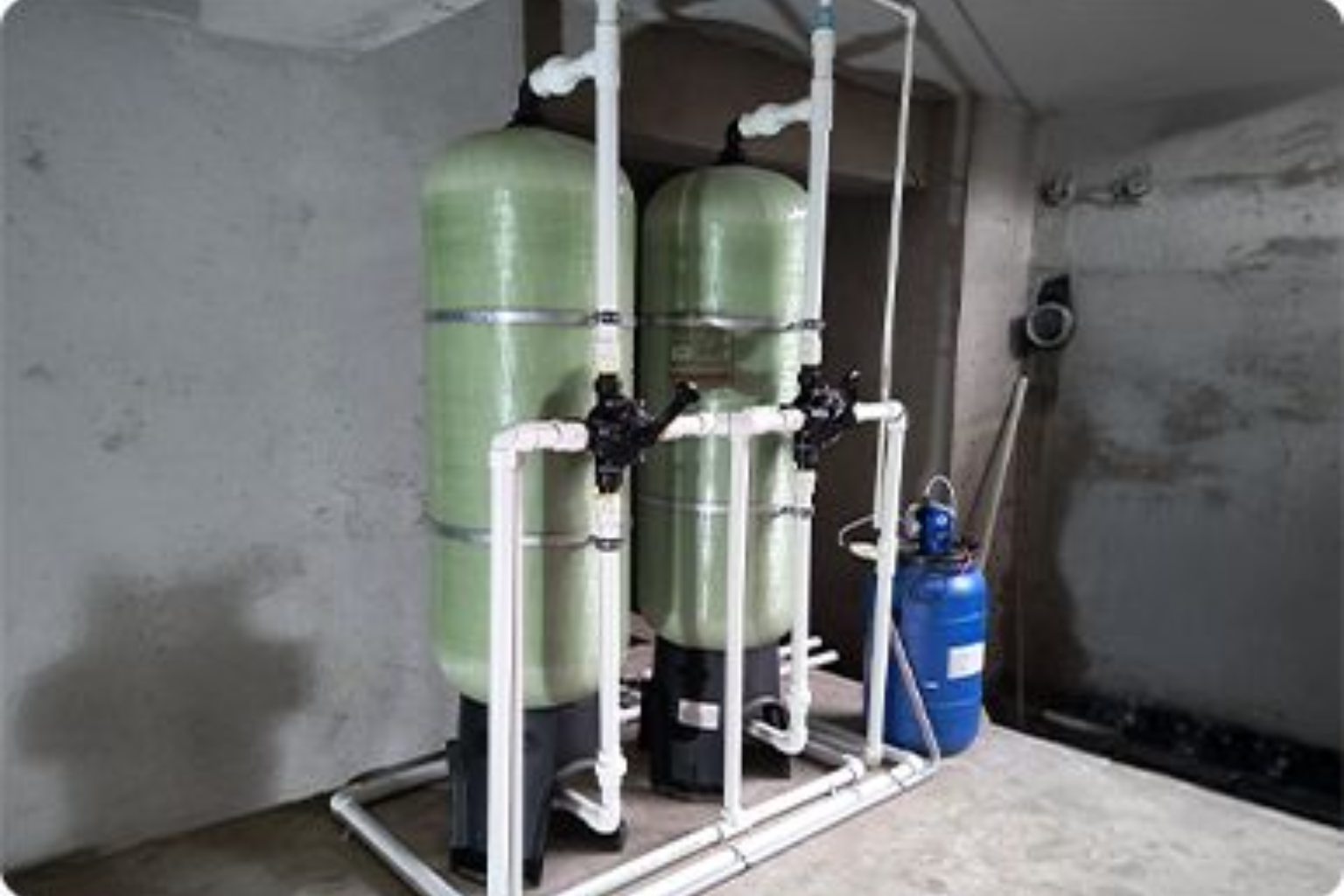
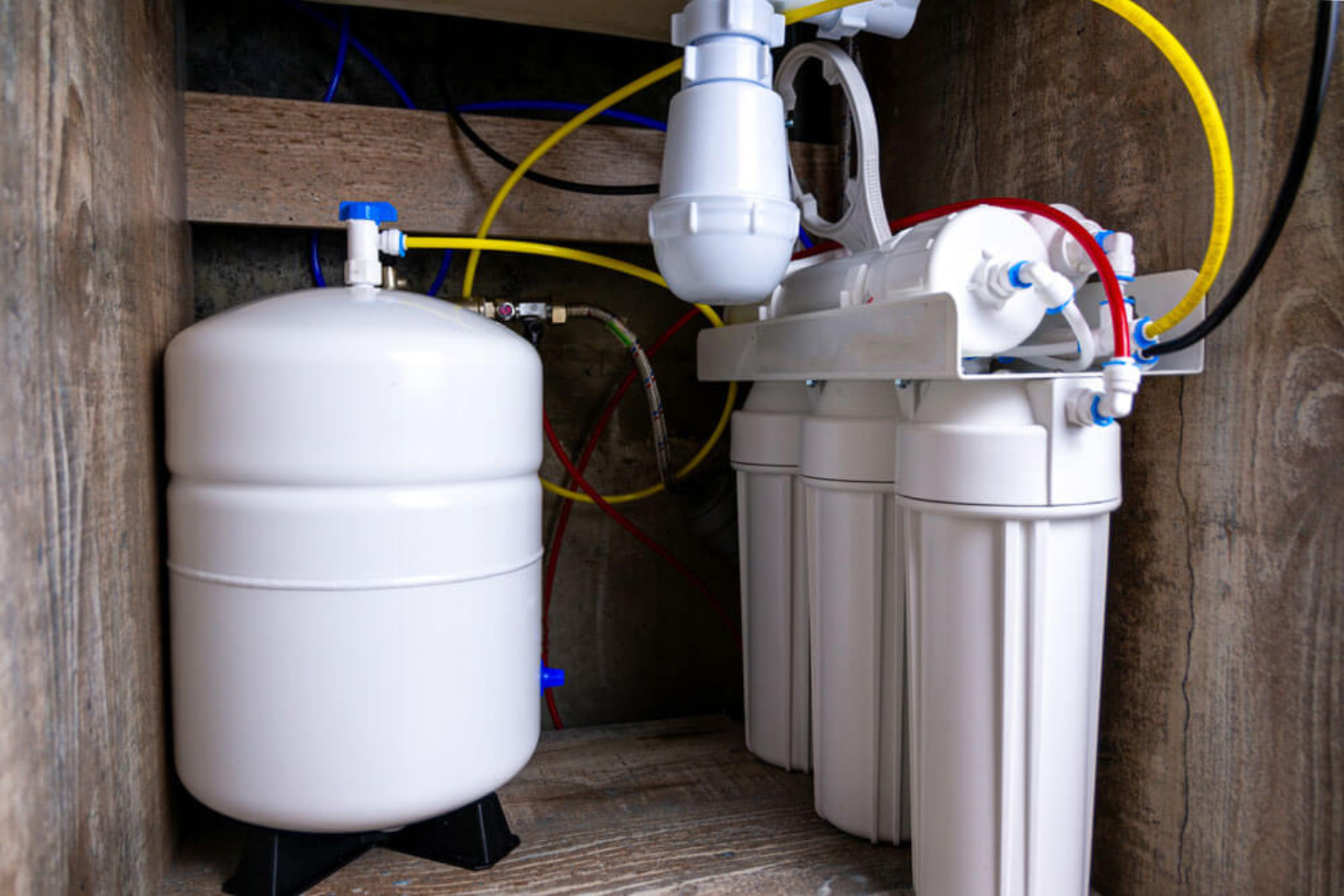
Standard pond filters are great for clarity and fish health, but they’re not made to handle waterborne pathogens. If your goal is safe, drinkable water, you need a pond water filter for drinking—something designed to remove bacteria, viruses, heavy metals, and other invisible nasties.
That means going beyond just a mesh or sponge. You’ll be looking at systems that include activated carbon, ceramic filters, and UV sterilizers. Some homesteaders even combine multiple layers for extra peace of mind. It’s more work, but if your pond is your main water source—or your backup for emergencies—it’s worth the extra effort.
Real Talk: What Kind of Pond Do You Have?
Not all ponds are created equal, and your filtration strategy should match your setup.
- Decorative backyard pond with fish? Focus on biological filtration to manage waste.
- Natural rain-fed pond? You’ll want extra sediment control.
- Pond used for irrigation or emergencies? Invest in a layered system with both basic and advanced filters.
This is where people often get tripped up. They see one-size-fits-all filters online, slap them on, and wonder why the water still looks or smells off. You’ve got to know your pond’s quirks.
It’s kind of like buying clothes off the rack—sure, it fits “most,” but you’ll always be better off tailoring it to your needs.
The Unsung Hero: Your Pump Setup
Pumps don’t get enough credit. They keep the water moving, help prevent stagnation, and ensure the filters actually do their job.
But here’s the trick—positioning your intake matters. If it’s too close to the surface, it’ll suck up floating stuff but ignore the gunk settling at the bottom. Too deep, and it’ll clog up fast.
That’s where a floating intake or adjustable intake system can really shine. It ensures you’re pulling from the cleanest layer of water or at least not creating a never-ending war against sludge.
And of course, your pump should match your pond’s volume. Too small, and it’s overwhelmed. Too big, and you’re wasting energy (or worse, stirring up muck unnecessarily).
Filtering Pond Water for Plants or Greywater Use
Now, maybe you’re not looking to drink the water—but you are hoping to use it in your garden or for washing purposes. In that case, you don’t need lab-grade purity, but you still want something dependable.
That’s where you can filter pond water with mid-level solutions—mechanical filters paired with a bit of charcoal or UV. It’s a sweet spot that keeps the water clean enough for irrigation, without overcomplicating things.
And bonus—filtered pond water is packed with nutrients your plants will love. It’s like free fertilizer, minus the synthetic chemicals.
Maintenance Isn’t Optional—But It Doesn’t Have to Be Hard
Look, even the best filter in the world turns useless if you let it clog up for months. But that doesn’t mean you need a lab coat and test kits every weekend.
Here’s a low-stress routine:
- Weekly glance: Any obvious clogs, floating debris? Scoop it out.
- Monthly clean: Rinse your mechanical filter gently (don’t over-clean biological ones—they need their helpful bacteria).
- Seasonal deep clean: Empty and scrub parts of the system, especially after fall when leaves dominate the scene.
Set a recurring reminder. Make it a ritual. Pair it with your favorite music or podcast and it won’t feel like a chore.
Final Thoughts: Let the Water Speak
There’s a unique joy in watching clear, glistening water flow through a pond you’ve nurtured. When filtration is done right, it doesn’t just support the life in your pond—it becomes part of the life around your pond. From birds stopping by for a sip to plants flourishing with nutrient-rich water, it all starts with thoughtful filtration.
You don’t have to spend a fortune, and you definitely don’t need to become an expert overnight. Just listen to your pond. It’ll let you know what it needs.
And when in doubt, filter smarter—not harder.