Category: Home Services

  • Finding the Right Water Treatment for Your Home Starts with the Right Questions

    Finding the Right Water Treatment for Your Home Starts with the Right Questions

    Water is one of those things we assume will just… work. Turn the tap, fill the glass, start the dishwasher. It’s automatic. Invisible. Reliable.

    Until it isn’t.

    Maybe your water tastes slightly metallic. Maybe there’s scale building up on your showerhead. Or maybe you’ve read one too many articles about what can travel through aging infrastructure and now you’re wondering if you should be doing more.

    The truth is, improving your home’s water isn’t about chasing trends. It’s about understanding what your water actually contains — and what your household genuinely needs.


    The First Step: Know What’s in Your Water

    Before investing in any system, you have to start with information.

    Municipal water is treated, yes — but it still travels through pipes before reaching your home. Well water comes straight from underground sources and varies widely depending on geology and environmental factors.

    Testing your water reveals what you’re working with. Hardness levels. Chlorine presence. Sediment. Trace contaminants.

    Without testing, you’re essentially buying solutions blindfolded.

    And when it comes to water, precision matters.


    When Clean Means More Than Clear

    Water can look perfectly clear and still carry substances you’d rather not consume daily. That’s where the idea of contaminant reduction becomes important.

    Filtration systems are designed to remove or reduce unwanted elements — chlorine, certain heavy metals, organic compounds, and in some cases bacteria. Different systems address different concerns. Carbon filters improve taste and odor. Reverse osmosis goes deeper, removing dissolved solids. UV systems target microorganisms.

    The goal isn’t to sterilize water beyond recognition. It’s to refine it — to reduce what doesn’t belong while preserving what makes it safe and usable.

    And once filtration is properly matched to your water profile, the difference can be surprisingly noticeable. Taste improves. Odors fade. Confidence grows.


    The Quiet Impact of Hard Water

    Not all water problems are about safety. Some are about comfort and long-term wear.

    Hard water contains calcium and magnesium. These minerals aren’t dangerous, but they create scale. White buildup on faucets. Streaky glassware. Soap that doesn’t lather well.

    This is where mineral control becomes relevant.

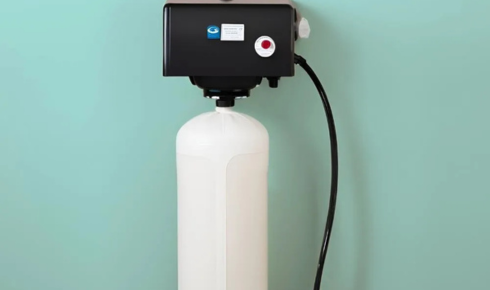
    Water softeners use an ion exchange process to replace hardness minerals with sodium or potassium. The result is water that feels smoother and leaves fewer deposits behind.

    Showers may feel gentler. Laundry softer. Cleaning becomes less of a constant battle against residue.

    It’s not about perfection. It’s about reducing friction — literally and figuratively.


    Matching Solutions to Real Life

    One of the biggest mistakes homeowners make is assuming one system does everything.

    A filter won’t soften hard water. A softener won’t remove chlorine. Each tool has a purpose.

    The smartest approach is aligning treatment systems with your actual household needs.

    If you’re frustrated by taste and odor, focus on filtration. If scale is damaging appliances, consider softening. If you’re on a private well, testing for bacteria and sediment may guide you toward additional layers of protection.

    It’s rarely about buying the biggest system. It’s about solving the right problem.


    Maintenance: The Overlooked Piece

    Installing a system is only part of the story.

    Filters need replacement. Softeners need salt refills. UV systems require bulb changes.

    Maintenance isn’t complicated, but it is essential.

    A neglected system can lose effectiveness gradually, sometimes without obvious signs. Staying on top of service schedules keeps performance consistent.

    Think of it like changing the oil in your car. Small effort, long-term payoff.


    Considering the Long View

    Improved water quality can influence more than just what you drink.

    Appliances may operate more efficiently. Plumbing can experience less internal buildup. You might use less detergent or cleaning product.

    These benefits accumulate quietly.

    They don’t always show up as dramatic savings overnight, but over time, they create a smoother-running household.

    And that steady improvement matters.


    Avoiding the Overcomplication Trap

    It’s easy to feel overwhelmed by technical jargon and endless product comparisons.

    But at its core, water treatment comes down to three questions:

    1. What’s in my water?
    2. What problems am I experiencing?
    3. What system addresses those specific issues?

    Answer those clearly, and the rest becomes manageable.


    A Balanced Perspective

    Water quality doesn’t need to become an obsession. Most systems function safely and reliably. The goal isn’t fear — it’s awareness.

    When you understand your water, you make better decisions.

    And when your water supports your home rather than subtly working against it, daily life feels easier.

    You stop noticing the small irritations. You trust the tap. You spend less time scrubbing scale and more time enjoying your space.


    Final Thoughts

    Improving your home’s water isn’t about chasing trends or installing flashy equipment.

    It’s about clarity — in both a literal and practical sense.

    By focusing on contaminant reduction where needed, managing minerals when necessary, and aligning systems with real household demands, you create a water environment that works with you rather than against you.

  • Doing It Right the First Time: Why Electrical Planning and Code Compliance Shape Safer Projects

    Doing It Right the First Time: Why Electrical Planning and Code Compliance Shape Safer Projects

    Description: A thoughtful guide to understanding how electrical code compliance and a clear project strategy protect your investment, reduce risk, and create reliable long-term performance in homes and commercial spaces.

    There’s a moment in almost every renovation or construction project when the excitement meets reality. The design is finalized. The budget is outlined. The timeline feels optimistic. And then someone brings up permits, inspections, and electrical codes.

    It’s not the glamorous part of the process. No one gets excited about conduit placement or breaker sizing. But here’s the honest truth: the decisions made in those early technical stages often determine whether a project feels smooth and successful—or frustrating and expensive.

    Electricity is powerful, invisible, and unforgiving. Treat it casually, and it has a way of reminding you who’s in charge.

    Codes Aren’t Just Paperwork

    Let’s start with the word that makes many property owners sigh: compliance.

    Electrical code compliance might sound like bureaucratic red tape. But codes exist because someone, somewhere, learned a difficult lesson. Fires caused by overloaded circuits. Shocks from improper grounding. Equipment damage from poorly designed panels. Over time, regulations evolved to prevent those outcomes.

    When a project follows current codes, it’s not just about passing inspection. It’s about creating a safer environment for everyone who uses the space.

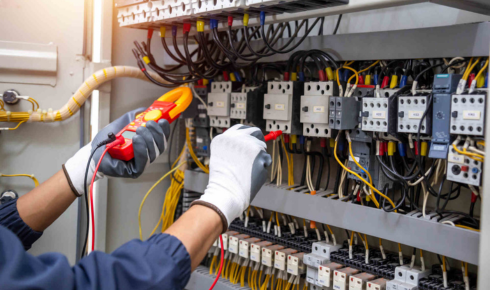
    Codes address practical details—proper wire sizing, grounding systems, protective devices like GFCIs and AFCIs, and clear labeling of panels. They ensure that installations meet minimum safety standards. In commercial projects, they also intersect with accessibility, emergency systems, and fire protection requirements.

    Skipping permits or cutting corners might seem like a way to save time. But the long-term risks—failed inspections, insurance complications, safety hazards—far outweigh the short-term convenience.

    A well-documented, compliant installation builds confidence. It protects your investment and anyone who steps inside the building.

    Planning Before Pulling a Single Wire

    Beyond compliance, there’s a deeper layer of thinking that separates average projects from excellent ones: intentional planning.

    A thoughtful electrical project strategy looks at more than immediate needs. It anticipates future growth, potential upgrades, and changing technology.

    For example, consider a commercial office renovation. If the current tenant only requires standard lighting and outlets, it might be tempting to design the system tightly around those needs. But what happens if a future tenant requires heavier equipment or expanded workstations?

    Or in a residential setting—what if the homeowner plans to install solar panels, a home office, or an electric vehicle charger in a few years?

    Strategic planning includes leaving capacity in panels, designing flexible conduit pathways, and ensuring load calculations account for more than just today’s appliances.

    It’s the difference between building for now and building for what’s next.

    Communication Is Half the Battle

    Electrical planning doesn’t happen in isolation. It requires coordination with architects, general contractors, engineers, and inspectors. Miscommunication in early stages can lead to costly revisions later.

    I’ve seen projects where lighting layouts conflicted with HVAC ductwork, or where panel locations were changed after framing was complete. These aren’t dramatic mistakes—but they create delays, added labor, and frustration.

    Clear communication early in the process prevents those issues. It allows electricians to collaborate with designers and builders so that electrical systems integrate smoothly rather than reactively.

    And honestly, it reduces stress for everyone involved.

    Budgeting Realistically

    Electrical work is sometimes underestimated in project budgets. It’s not as visible as countertops or flooring, so it can feel less tangible.

    But electrical systems form the backbone of a functional space. Underfunding this part of a project often leads to compromises that become obvious later—insufficient outlets, overloaded circuits, limited panel capacity.

    A realistic budget paired with strategic planning ensures that safety and reliability aren’t sacrificed.

    It’s rarely cheaper to redo electrical work after walls are finished.

    Long-Term Value and Peace of Mind

    When code compliance and strategy align, the result is stability.

    Lights turn on reliably. Equipment runs without unexpected interruptions. Inspections pass without drama. And upgrades—when needed—can be integrated smoothly.

    That kind of reliability isn’t flashy, but it’s powerful.

    Property owners often don’t appreciate the value of thoughtful planning until they encounter the opposite. A failed inspection delaying a business opening. A surprise panel replacement during a remodel. A flickering system that never quite feels stable.

    Proactive planning avoids those headaches.

    Respecting the Power You Can’t See

    Electricity flows behind walls and above ceilings. You don’t see it daily, but it shapes your experience constantly.

    Respecting that invisible force means giving it the attention it deserves during planning stages. It means understanding that compliance isn’t a hurdle—it’s a safeguard. And strategy isn’t overthinking—it’s foresight.

    In the rush of construction timelines and renovation excitement, it’s tempting to focus on visible finishes. But the unseen systems matter just as much, if not more.

    Because when everything works seamlessly—when systems perform quietly and reliably—that’s not luck.

    It’s preparation.

    Final Thoughts

    Electrical planning isn’t about checking boxes or satisfying inspectors. It’s about creating safe, adaptable spaces that stand the test of time.

    By prioritizing compliance and thoughtful strategy, you protect more than just your budget. You protect people, operations, and long-term value.

  • The Quiet Power of Proper Appliance Installation in Everyday Living

    The Quiet Power of Proper Appliance Installation in Everyday Living

    There’s a moment most people overlook when bringing a new appliance into their home. It isn’t the excitement of choosing the model, and it’s not even the first time you switch it on. It’s the installation—the careful, often unnoticed process that determines how smoothly that appliance will serve you for years.

    We tend to focus on brand names, features, and price tags. But the truth is, even the most advanced appliance can struggle if it isn’t installed properly. That invisible foundation matters more than many homeowners realize.

    Because installation isn’t just about making something work—it’s about ensuring it works well.

    Why Installation Sets the Tone for Performance

    Every appliance is designed to operate under specific conditions. Manufacturers carefully engineer machines to perform efficiently within precise environmental and mechanical settings.

    When those settings are not met during installation, performance may suffer from the very beginning.

    For example, a refrigerator placed too close to walls may experience restricted airflow. A washing machine installed unevenly might vibrate excessively. A dishwasher with incorrect alignment may fail to seal properly.

    These small missteps can gradually lead to larger issues.

    The Connection Between Setup and Efficiency

    One of the biggest long-term impacts of installation involves energy efficiency. Appliances that are installed correctly operate under optimal conditions, consuming less power while delivering better results.

    When machines are improperly positioned, internal systems often work harder than intended.

    A refrigerator with insufficient ventilation may run continuously to maintain temperature. A dryer with poorly connected vents can require longer cycles. An oven with improper electrical connections may heat unevenly.

    These inefficiencies not only increase energy consumption but also raise monthly utility costs.

    Proper installation ensures appliances function at their designed performance levels, conserving both energy and money over time.

    Protecting Your Investment from Day One

    Appliances are significant household investments. Whether it’s a new washing machine or a modern cooking range, homeowners expect reliability and longevity.

    This is where warranty protection becomes an important consideration.

    Many manufacturers require appliances to be installed according to specific guidelines to maintain warranty coverage. Improper installation can sometimes void these warranties entirely.

    That means if a problem arises later—even one unrelated to installation—the manufacturer may refuse coverage.

    Professional installers understand these requirements and ensure installations meet all manufacturer standards.

    The Hidden Risks of Improper Setup

    Incorrect installation doesn’t always cause immediate problems. In fact, many issues develop slowly over time.

    Loose connections may lead to leaks months after installation. Electrical mismatches might cause intermittent malfunctions. Poor leveling can increase wear on internal components.

    These gradual problems often go unnoticed until they result in significant damage or costly repairs.

    Addressing installation carefully from the beginning prevents these long-term risks.

    Why Precision Matters More Than You Think

    Appliances rely on precise mechanical alignment to function smoothly.

    A washing machine must be perfectly balanced to prevent excessive vibration. Refrigerators require proper spacing for airflow. Dishwashers need accurate positioning to ensure water containment.

    This is why correct installation plays such a crucial role in appliance performance.

    Professional installers use specialized tools to ensure precise leveling, secure connections, and accurate calibration.

    This attention to detail allows appliances to operate as intended from the very first use.

    The Emotional Comfort of Knowing It’s Done Right

    There’s something reassuring about knowing a new appliance has been installed properly.

    It removes uncertainty and allows homeowners to focus on enjoying the convenience the appliance provides.

    You don’t have to worry about unusual noises, unexpected leaks, or hidden electrical issues.

    That peace of mind is often undervalued—but it’s an essential part of home comfort.

    Long-Term Savings Through Proper Installation

    Many homeowners consider DIY installation as a way to save money.

    However, improper setup can lead to higher costs in the long run.

    Increased energy consumption, premature component wear, and potential repair expenses often outweigh initial savings.

    Professional installation may involve upfront costs, but it often prevents larger financial burdens later.

    It’s an investment in reliability rather than an added expense.

    Extending Appliance Lifespan

    Correct installation contributes significantly to appliance longevity.

    When machines operate under optimal conditions, internal components experience less strain.

    This reduces the likelihood of breakdowns and extends service life.

    Properly installed appliances often perform efficiently for years without requiring major repairs.

    That longevity represents real value for homeowners.

    A Thoughtful Approach to Home Reliability

    Appliances quietly support daily routines, making life more comfortable without drawing attention to themselves.

    Ensuring they are installed correctly helps maintain that seamless reliability.

    Professional installation offers not just technical expertise, but confidence that appliances will function safely and efficiently.

    It transforms a simple setup process into a foundation for long-term performance.

    A Small Step That Makes a Big Difference

    It’s easy to overlook installation when focusing on features and design.

    But the way an appliance is set up often determines how well it performs throughout its lifespan.

    Proper installation ensures efficiency, safety, and durability from the very beginning.

    Because sometimes, the most important part of bringing something new into your home isn’t what you choose.

  • Choosing the Right Water System Isn’t Just About Buying—It’s About Understanding What You Need

    Choosing the Right Water System Isn’t Just About Buying—It’s About Understanding What You Need

    There’s a moment most homeowners eventually reach. It usually starts small—maybe the water tastes a little odd, or your dishes come out of the washer with cloudy spots. You might notice your shower glass getting stubborn white stains that never seem to go away no matter how hard you scrub.

    At first, it feels like a minor inconvenience. Something you can live with. But over time, those small signs pile up, and suddenly you’re thinking: maybe it’s time to do something about the water itself.

    And that’s where things get interesting—because buying a water system isn’t as simple as picking the first model you see online.

    It’s a bit more like choosing a long-term partner for your home. One that quietly affects everything from daily comfort to appliance longevity.

    Why Water Systems Aren’t One-Size-Fits-All

    Many people assume all water filtration systems work in the same way. They imagine a simple device that removes impurities and improves taste.

    But the reality is far more nuanced. Different homes face different challenges. Some struggle with hard water. Others deal with sediment buildup. Some require advanced purification due to chemical contaminants.

    That’s why understanding system purchase options is such an important first step. From compact under-sink filters to full whole-house solutions, each option serves a specific purpose.

    Choosing the right one depends not just on budget, but also on water quality, household size, and long-term maintenance preferences.

    It’s not about buying the most expensive model—it’s about finding the right fit.

    The Hidden Role of Internal Components

    One thing that often surprises homeowners is how much the performance of a water system depends on what’s happening inside it.

    From the outside, most filtration systems look simple. But internally, they rely on multiple layers working together to remove impurities and maintain efficiency.

    These filter components—such as sediment filters, carbon blocks, and membranes—each play a specific role. Some trap physical particles, others remove chemical contaminants, and some improve taste.

    When one component becomes clogged or worn, the entire system’s performance can decline.

    This is why regular maintenance and timely replacement of internal parts are essential for keeping a filtration system running smoothly.

    And honestly, many people don’t realize how much difference a fresh filter can make until they experience it.

    Understanding the Variety Available in the Market

    Another challenge homeowners face is navigating the wide range of systems available today. The market is filled with options—from basic entry-level filters to advanced multi-stage purification units.

    Exploring a company’s product lineup can help clarify these choices. It reveals how different models compare in terms of features, capacity, and intended use.

    Some systems focus on drinking water purification. Others address whole-home needs like softening and sediment removal. Some combine multiple technologies for comprehensive treatment.

    Understanding these distinctions makes it easier to choose a solution that aligns with your specific requirements.

    And it prevents the common mistake of investing in a system that doesn’t fully address your water challenges.

    The Emotional Side of Investing in Clean Water

    It might sound surprising, but choosing a water system often involves emotional considerations as well as practical ones.

    People worry about making the wrong decision. They wonder whether the investment will truly make a difference. They hesitate because water problems often feel invisible and abstract.

    But once a suitable system is installed, many homeowners describe a sense of relief. They stop worrying about hidden contaminants. They trust their water to support daily life quietly and reliably.

    That trust creates a feeling of comfort that’s difficult to measure but deeply appreciated.

    Why Long-Term Thinking Matters

    One common mistake is viewing water systems as short-term purchases rather than long-term investments.

    A quality system not only improves water taste and safety—it also protects plumbing infrastructure, reduces appliance wear, and lowers maintenance costs over time.

    Hard water, for example, can gradually damage pipes and reduce appliance efficiency. Addressing this issue early often saves significant repair expenses later.

    Thinking long-term helps homeowners see water systems not as optional upgrades, but as essential components of a healthy home.

    The Subtle Benefits You Notice Over Time

    Unlike renovations that produce dramatic visual changes, water system upgrades deliver benefits quietly and gradually.

    Laundry feels softer. Showers leave your skin less dry. Cleaning becomes easier because surfaces accumulate less residue.

    These small improvements may seem minor individually, but together they transform everyday routines.

    And once you experience them, it’s hard to imagine going back.

    The Importance of Professional Guidance

    For many homeowners, the most helpful step in choosing a water system is consulting professionals who can evaluate specific water conditions.

    Testing and expert recommendations ensure that decisions are based on real data rather than assumptions.

    This personalized approach often leads to better results and greater satisfaction with the final system.

    A Quiet Upgrade That Changes Daily Living

    Improving water quality doesn’t change how your home looks. There’s no visible transformation or dramatic “before and after” moment.

    Yet the impact is felt every day—in better tasting drinks, smoother routines, and greater peace of mind.

    Over time, those quiet benefits add up to something meaningful.

    Because sometimes, the most valuable improvements in a home aren’t loud or flashy.

    They’re the ones working silently in the background—supporting comfort, protecting infrastructure, and making daily life just a little easier, one drop at a time.

  • When Water Won’t Wait: Why Reliable Plumbing Help Matters More Than You Think

    When Water Won’t Wait: Why Reliable Plumbing Help Matters More Than You Think

    There’s a unique kind of stress that comes with plumbing problems. It’s not just inconvenience — it’s the sudden disruption of something you rely on constantly without ever thinking about it. One moment, everything feels normal. The next, you’re staring at water pooling across the floor, wondering how something so ordinary could turn chaotic so quickly.

    Plumbing issues have a way of reminding us how much our daily routines depend on invisible systems. Showers, dishwashing, laundry, even something as simple as making coffee — all of it relies on water flowing exactly where it should.

    And when it doesn’t, the clock starts ticking.


    The Hidden Complexity of Everyday Plumbing

    Most homeowners assume plumbing is straightforward — pipes carry water in, drains carry it out. But beneath that simplicity lies a complex network of pressure systems, valves, joints, and connections working together constantly.

    Over time, wear and tear become inevitable. Pipes corrode, seals loosen, and mineral deposits accumulate. Small weaknesses develop gradually, often unnoticed until they escalate into visible problems.

    This is why maintaining a relationship with an expert plumbing service can make such a difference. Professional technicians understand how to identify early warning signs and prevent minor issues from turning into emergencies.

    Their role isn’t just repair — it’s long-term system protection.


    When Plumbing Problems Demand Immediate Action

    Some plumbing issues allow time for planning. Others don’t.

    Burst pipes, overflowing drains, and major leaks can cause significant damage within minutes. Water spreads quickly, soaking floors, weakening walls, and creating conditions for mold growth.

    In these situations, homeowners often require urgent plumbing support to minimize damage and restore safety. Rapid intervention helps contain the problem before it escalates into costly restoration work.

    Understanding which issues require immediate attention is critical for effective response.


    The Importance of Acting Quickly

    Time plays a crucial role in plumbing emergencies. The longer water remains uncontrolled, the more damage it can cause.

    For example, a small pipe leak can release gallons of water over several hours. By the time it’s discovered, structural materials may already be compromised.

    This is why professional services emphasize fast response capabilities. Quick arrival allows technicians to stop water flow, assess damage, and begin repairs immediately.

    Speed often determines whether a situation remains manageable or becomes overwhelming.


    Recognizing Early Warning Signs

    Plumbing emergencies rarely occur without warning. Most systems provide subtle clues before major failures happen.

    Common early indicators include:

    • Sudden drops in water pressure
    • Unusual sounds in pipes
    • Persistent damp odors
    • Water stains on ceilings or walls
    • Unexpected increases in water bills

    Paying attention to these signals allows homeowners to address issues before they escalate.

    Preventive action is always more effective than emergency repairs.


    The Financial Impact of Plumbing Failures

    One of the most challenging aspects of plumbing problems is their potential cost. Water damage restoration often involves multiple repair stages, including flooring replacement, drywall repair, and mold remediation.

    These expenses can escalate quickly.

    Early intervention significantly reduces financial impact. Fixing a minor leak, for example, costs far less than repairing structural damage caused by prolonged exposure.

    Routine maintenance and timely repairs provide long-term cost savings.


    The Emotional Side of Plumbing Reliability

    Beyond financial concerns, plumbing issues create emotional stress. Discovering water damage late at night or dealing with an unexpected leak can feel overwhelming.

    These situations disrupt routines and create uncertainty, often requiring immediate decisions.

    Reliable plumbing systems provide peace of mind. Knowing that professional support is available helps reduce anxiety and restore confidence.

    Comfort isn’t just physical — it’s psychological.


    Preventive Maintenance: The Unsung Hero

    While emergency services receive the most attention, preventive maintenance remains the most effective way to protect plumbing systems.

    Regular inspections help identify potential vulnerabilities, such as aging pipes, pressure imbalances, and early corrosion.

    Maintenance activities may include:

    • Cleaning drainage systems
    • Checking water pressure levels
    • Inspecting pipe connections
    • Flushing water heaters

    These steps help extend system lifespan and prevent unexpected failures.

    Prevention is always more economical than repair.


    The Role of Modern Technology in Plumbing Services

    Advancements in technology have improved both diagnostic accuracy and response efficiency. Today’s plumbing professionals use tools such as thermal imaging cameras, digital leak detectors, and video pipe inspection equipment.

    These technologies allow technicians to locate problems quickly without unnecessary disruption to property.

    Modern communication systems also enable faster coordination between dispatch teams and field technicians, improving response times.

    Technology continues to enhance service reliability.


    Choosing the Right Plumbing Provider

    Selecting a dependable plumbing provider involves more than comparing prices. Homeowners benefit from professionals who offer transparent communication, clear estimates, and reliable support.

    Key factors to consider include:

    • Licensing and certification
    • Availability for emergency situations
    • Customer reviews and reputation
    • Preventive maintenance programs

    Building a long-term relationship with a trusted provider ensures consistent system reliability.

    Trust is essential during stressful situations.


    A Final Thought: Stability Comes from Preparedness

    Plumbing systems quietly support daily life, ensuring water flows safely and efficiently throughout homes. Most of the time, they operate unnoticed.

    But when problems arise, their importance becomes immediately clear.

    Understanding early warning signs, investing in preventive maintenance, and maintaining access to reliable professional support helps protect both property and peace of mind.

    Because ultimately, plumbing care isn’t just about fixing pipes.

    It’s about preserving the stability, comfort, and routine that make a house feel like home — ensuring that when water flows, it does exactly what it’s meant to do.

  • Building Things That Actually Work: A Human Approach to Smart Installation and Design

    Building Things That Actually Work: A Human Approach to Smart Installation and Design

    There’s a quiet satisfaction in walking into a space where everything just works. The lights respond instantly. The air feels right. The systems hum in the background without demanding attention. Most people don’t think about what went into creating that seamless experience—and honestly, that’s the point. Good planning and careful execution are meant to disappear into daily life.

    But behind that smooth performance is a mix of foresight, patience, and real-world problem solving. It’s not glamorous work. It’s rarely flashy. Yet when it’s done properly, it changes how people live and work in subtle but meaningful ways.

    I’ve seen projects where the foundation was solid but the follow-through wasn’t. I’ve also seen modest spaces transformed because someone cared enough to plan properly and install thoughtfully. The difference? Intention.

    Why Planning Still Beats Guesswork

    There’s a temptation in construction and technical projects to “figure it out as we go.” Sometimes that works. Often, it doesn’t. True efficiency starts long before tools come out of their cases. It starts with listening—to the client, to the building, even to the constraints.

    Great system design isn’t about overcomplicating things. It’s about asking the boring questions early: How will this scale? What happens in five years? What happens if power usage doubles? What if the building expands?

    When those questions are ignored, the cracks show up later. Maybe it’s uneven performance. Maybe it’s costly upgrades that could’ve been avoided. Or maybe it’s just constant frustration from users who feel like something’s “off.”

    Good design, on the other hand, makes growth easier. It anticipates change. It leaves room for flexibility. And it respects the simple truth that buildings—and the people in them—evolve.

    The Craft Behind Installation

    Designing on paper is one thing. Making it real is another.

    There’s a hands-on artistry to equipment installation that doesn’t always get enough credit. You can have the best blueprint in the world, but if installation is rushed or careless, the result won’t live up to the plan. Alignment matters. Calibration matters. Even cable management—yes, even that—matters.

    I once walked into a facility where everything looked neat at first glance. But behind the panels, it was chaos. Wires tangled. Mounts uneven. Labels missing. The system technically functioned, but troubleshooting anything was a nightmare. That’s the hidden cost of shortcuts.

    Proper installation is patient work. It means double-checking tolerances. Testing under real conditions. Making sure connections are secure and documented. It’s not just about getting the system online; it’s about making sure it stays online without drama.

    And honestly, it’s about pride. The kind of pride that says, “If someone opens this panel in ten years, they’ll know it was done right.”

    Balancing Residential and Commercial Needs

    There’s an interesting tension between homes and business spaces. They share technical similarities, yet they demand very different mindsets.

    In residential and commercial projects, context is everything. A family home might prioritize comfort, energy efficiency, and aesthetics. A commercial building might focus on uptime, scalability, and compliance. The stakes feel different—even when the technology overlaps.

    In a home, a poorly planned system might mean inconvenience. In a business, it could mean lost revenue. That’s not to say residential work is less important—it’s deeply personal. But commercial environments carry operational pressures that influence every design choice.

    The best professionals understand both worlds. They know when to simplify and when to build redundancy. They recognize that a retail store can’t afford downtime on a busy weekend, just like a homeowner can’t afford a heating system that gives up during winter.

    It’s about adapting the same technical foundation to two very human environments.

    Details That People Notice (Even If They Don’t Realize It)

    Have you ever walked into a space and felt instantly comfortable? Maybe the lighting was balanced. The air temperature steady. The acoustics just right. You probably didn’t consciously analyze it—but your body did.

    That’s what thoughtful design and installation achieve. They create invisible reliability.

    Energy efficiency is another quiet hero. Well-designed systems consume less power, reduce strain on components, and last longer. Over time, that translates into lower operating costs and fewer disruptions. Not exciting dinner-table conversation, sure. But it adds up.

    Maintenance planning is equally underrated. If systems are accessible, documented, and logically arranged, service becomes easier and cheaper. If not? Every repair turns into a mini excavation project.

    It’s these small, cumulative decisions that separate average projects from exceptional ones.

    Communication Is the Real Foundation

    You can have technical brilliance, but without clear communication, projects fall apart. Expectations drift. Budgets stretch. Timelines slip.

    The most successful teams I’ve observed don’t just talk specs—they talk outcomes. They clarify goals. They outline limitations. They admit when something might not be the best fit.

    And sometimes, the most valuable advice is restraint. Not every building needs the most advanced or complex system available. Sometimes the smartest move is simplicity—fewer moving parts, easier maintenance, better reliability.

    Clients appreciate honesty. They remember when someone steered them toward a practical solution rather than an expensive one.

    Thinking Long-Term Instead of Short-Term

    It’s easy to design for today. It’s harder to design for tomorrow.

    Technology evolves. Usage patterns change. Businesses grow. Families expand. Systems that feel adequate now can become restrictive surprisingly quickly.

    Future-proofing doesn’t mean overbuilding. It means designing with foresight. Leaving capacity. Choosing scalable components. Considering how upgrades will integrate later.

    This mindset requires humility. It acknowledges that no system is permanent. But it also shows respect—for the client’s investment and for the building itself.

    The Human Side of Technical Work

    At the end of the day, we’re not just installing hardware or drafting diagrams. We’re shaping environments where people live, work, and create. That responsibility deserves attention.

    There’s something deeply satisfying about revisiting a completed project months later and seeing it function smoothly. No frantic calls. No urgent fixes. Just quiet reliability.

    That kind of outcome doesn’t happen by accident. It’s the result of thoughtful design, careful installation, and ongoing collaboration.

    Maybe that’s the real measure of success in this field. Not how impressive the technology looks on day one—but how little anyone has to think about it afterward.

    When systems fade into the background and simply support daily life, you know the work was done well. And honestly, that’s what it’s all about.

  • Clear Water, Peaceful Mind: Filtering Your Pond the Right Way

    Clear Water, Peaceful Mind: Filtering Your Pond the Right Way

    There’s something deeply calming about a pond. Whether it’s tucked in a backyard or sits out by a rural homestead, the quiet ripples and reflective water surface have a way of making the world slow down. But what’s not so calming? Murky water, floating gunk, and that ever-so-mild whiff of something not-so-fresh. That’s where good filtration comes in—something too many pond owners either underestimate or overcomplicate.

    Today, let’s unpack the art (and science) of pond water filtration in a down-to-earth, no-jargon kind of way. Whether you’re trying to keep koi happy or hoping to use pond water more sustainably, this guide has you covered.


    Why Pond Filtration Even Matters

    You don’t need to be a biologist to understand that stagnant water becomes a breeding ground for trouble. Algae blooms, mosquito infestations, bad smells, and even unhealthy conditions for fish can all creep in without a proper filtration system.

    But filtration isn’t just about fish. It’s about creating a healthy ecosystem, maintaining balance, and—if you’re going the sustainable route—ensuring your pond water is usable for other purposes.

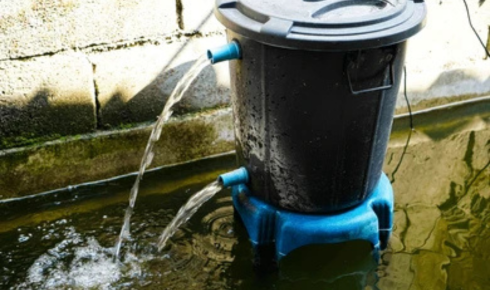
    Not all filters are created equal, though. That’s where a well-chosen pond intake filter plays a huge role. It’s like the gatekeeper at the start of your filtration system—sifting out the bigger debris (leaves, twigs, floating scum) before the water gets passed along to the finer filters.


    Different Filters, Different Jobs

    Let’s break it down simply. Think of filtering pond water like making coffee:

    • The intake filter is your coffee grinder—prepping the raw stuff.
    • The mechanical filter is the paper filter—catching the grounds.
    • The biological filter is your brewing process—removing what your eye can’t see but your body would definitely notice.

    Each part serves a purpose. Skip one, and things go south quickly.

    For example, if you only rely on a pump without any filtration, you’re just circulating dirty water faster. It’s like stirring a muddy puddle and hoping it turns clear. Spoiler alert: it won’t.


    Filtering for Sustainability: Drinking Water from a Pond?

    Here’s a growing question we’re seeing pop up: “Can I drink water from my pond if I filter it?” The short answer is—yes, but with a big asterisk.

    Standard pond filters are great for clarity and fish health, but they’re not made to handle waterborne pathogens. If your goal is safe, drinkable water, you need a pond water filter for drinking—something designed to remove bacteria, viruses, heavy metals, and other invisible nasties.

    That means going beyond just a mesh or sponge. You’ll be looking at systems that include activated carbon, ceramic filters, and UV sterilizers. Some homesteaders even combine multiple layers for extra peace of mind. It’s more work, but if your pond is your main water source—or your backup for emergencies—it’s worth the extra effort.


    Real Talk: What Kind of Pond Do You Have?

    Not all ponds are created equal, and your filtration strategy should match your setup.

    • Decorative backyard pond with fish? Focus on biological filtration to manage waste.
    • Natural rain-fed pond? You’ll want extra sediment control.
    • Pond used for irrigation or emergencies? Invest in a layered system with both basic and advanced filters.

    This is where people often get tripped up. They see one-size-fits-all filters online, slap them on, and wonder why the water still looks or smells off. You’ve got to know your pond’s quirks.

    It’s kind of like buying clothes off the rack—sure, it fits “most,” but you’ll always be better off tailoring it to your needs.


    The Unsung Hero: Your Pump Setup

    Pumps don’t get enough credit. They keep the water moving, help prevent stagnation, and ensure the filters actually do their job.

    But here’s the trick—positioning your intake matters. If it’s too close to the surface, it’ll suck up floating stuff but ignore the gunk settling at the bottom. Too deep, and it’ll clog up fast.

    That’s where a floating intake or adjustable intake system can really shine. It ensures you’re pulling from the cleanest layer of water or at least not creating a never-ending war against sludge.

    And of course, your pump should match your pond’s volume. Too small, and it’s overwhelmed. Too big, and you’re wasting energy (or worse, stirring up muck unnecessarily).


    Filtering Pond Water for Plants or Greywater Use

    Now, maybe you’re not looking to drink the water—but you are hoping to use it in your garden or for washing purposes. In that case, you don’t need lab-grade purity, but you still want something dependable.

    That’s where you can filter pond water with mid-level solutions—mechanical filters paired with a bit of charcoal or UV. It’s a sweet spot that keeps the water clean enough for irrigation, without overcomplicating things.

    And bonus—filtered pond water is packed with nutrients your plants will love. It’s like free fertilizer, minus the synthetic chemicals.


    Maintenance Isn’t Optional—But It Doesn’t Have to Be Hard

    Look, even the best filter in the world turns useless if you let it clog up for months. But that doesn’t mean you need a lab coat and test kits every weekend.

    Here’s a low-stress routine:

    1. Weekly glance: Any obvious clogs, floating debris? Scoop it out.
    2. Monthly clean: Rinse your mechanical filter gently (don’t over-clean biological ones—they need their helpful bacteria).
    3. Seasonal deep clean: Empty and scrub parts of the system, especially after fall when leaves dominate the scene.

    Set a recurring reminder. Make it a ritual. Pair it with your favorite music or podcast and it won’t feel like a chore.


    Final Thoughts: Let the Water Speak

    There’s a unique joy in watching clear, glistening water flow through a pond you’ve nurtured. When filtration is done right, it doesn’t just support the life in your pond—it becomes part of the life around your pond. From birds stopping by for a sip to plants flourishing with nutrient-rich water, it all starts with thoughtful filtration.

    You don’t have to spend a fortune, and you definitely don’t need to become an expert overnight. Just listen to your pond. It’ll let you know what it needs.

    And when in doubt, filter smarter—not harder.

  • Why Your Dishwasher Isn’t What It Used to Be (And What You Can Do About It)

    Why Your Dishwasher Isn’t What It Used to Be (And What You Can Do About It)

    There’s something oddly satisfying about opening your dishwasher and seeing rows of sparkling clean dishes, neatly stacked and bone-dry. It feels like a small but mighty domestic victory — one less thing to worry about in a busy day. But when that trusty machine starts acting up, even slightly, the frustration is real. And it’s not always obvious what’s wrong, is it?

    That’s the tricky part with dishwashers — they don’t often crash in a dramatic, movie-style flood. The signs are quieter: a bit of grit on the plates, strange noises mid-cycle, a top rack that feels… off. This isn’t just a rant about broken appliances. This is a conversation about recognizing the early warning signs, making smarter repair choices, and understanding how solid dishwasher service can genuinely extend the life of your machine.


    The Little Things That Turn Into Big Problems

    You don’t realize how much you depend on a working dishwasher until you have to go a week without it. That mountain of dishes doesn’t wash itself — and suddenly, hand-washing feels like a chore from another era.

    But what usually breaks down first? Often, it’s not the motor or the electronics. It’s the internal components that handle the actual cleaning: the racks that wobble, the spray arms that don’t rotate as they should, or get clogged with food particles and hard water scale.

    Fixing a rack and spray arm fix early on can make a world of difference. These parts may seem minor, but when they’re misaligned, blocked, or damaged, the whole cleaning process suffers. Plates don’t get rinsed properly, detergent doesn’t disperse, and cycles take longer than necessary. Sometimes all it takes is a realignment or thorough cleaning, but other times, parts need replacing. Ignoring it only guarantees that minor wear becomes a full-blown performance issue.


    When to Call in a Professional (Hint: Sooner Than You Think)

    There’s this temptation we all fall into — the DIY rabbit hole. We read a few blog posts, watch a YouTube tutorial, and suddenly think we’re ready to take apart the appliance that’s been working flawlessly for five years.

    But dishwashers, like all modern machines, are more complicated than they appear. Sensors, wiring, drainage pathways, water pressure calibration — it’s not just about tightening a screw or unclogging a sprayer. That’s where certified dishwasher technicians come in.

    Not only do they know the models inside out, but they can also spot problems you’d never think to check for: cracked hoses hiding under the frame, worn-out seals that lead to gradual leaks, or electronic glitches that throw off the entire cycle timing. What looks like a small quirk to you might be the start of a costly breakdown — and catching it early is where the professionals shine.


    Is It Maintenance… or Is It Time for Something More?

    Look, nobody wants to hear that their dishwasher is on its last leg. But if you’ve had multiple service calls in the past year, or it’s over a decade old and guzzling water like it’s free — it might be worth considering your options.

    Not every service call is meant to keep the old unit running forever. Sometimes, a technician is really giving you a diagnosis — not just a fix. And if the repairs add up to more than 50% of what a new, energy-efficient model would cost, it’s probably smarter (and greener) to start fresh.

    That said, modern dishwashers are worth investing in — especially the mid-range models that prioritize water savings, quieter operation, and advanced filter systems. Still, keeping that investment running smoothly starts with regular care.


    A Quick Word on Water Quality and Cleaning Products

    One thing a lot of folks don’t realize: not all dishwasher problems come from the machine itself. Sometimes it’s your water. Hard water can cause mineral buildup that clogs spray arms and coats internal components. That leads to poor cleaning performance and even odors.

    If your area is known for hard water, consider using rinse aids or even an inline water softener. Also, don’t skimp on detergent quality — those bargain-bin tablets might save you a few bucks now, but if they’re not breaking down food residue properly, your machine’s doing twice the work for half the results.


    Doing Your Part (No Toolbox Required)

    You don’t need to be an appliance expert to keep your dishwasher running well. Just a few monthly habits can go a long way:

    • Remove and rinse the filter to avoid clogs
    • Wipe down the door seals and gaskets
    • Run an empty hot cycle with vinegar or a cleaning pod
    • Check that spray arms spin freely and aren’t blocked
    • Avoid overloading — even if it’s “just a few more plates”

    It’s like brushing your teeth — boring, but necessary. And it saves you from bigger headaches later.


    Final Thoughts: Take Care of the Workhorse

    The dishwasher may not be the flashiest thing in your kitchen, but it’s arguably one of the most valuable. It saves time, saves water (yes, really), and lets you focus on more important things — like enjoying that late-night snack without worrying about the cleanup.

    So whether you’re dealing with strange noises, persistent residue, or a door that won’t shut quite right, don’t ignore it. Take it seriously. Get it checked. Let the dishwasher service team handle what you shouldn’t have to. And when in doubt? Trust the professionals to help you get back to sparkling clean dishes, without the stress.

  • Why Smart Homeowners Don’t Delay Filter Changes or RO Servicing

    Why Smart Homeowners Don’t Delay Filter Changes or RO Servicing

    We take it for granted, don’t we? That crisp, clear stream of water flowing from the tap — always there when we need it, whether it’s to brew morning coffee, rinse off a long day, or fill the dog’s bowl. But behind every drop is a small ecosystem of filters, membranes, and valves quietly doing their job. Until one day… they don’t.

    If your water starts tasting odd, your appliances struggle, or your skin’s suddenly dry and itchy — that’s not random. It’s your home whispering (or maybe shouting) that it’s time to give your water system a little TLC. And most times, it starts with something as simple as a filter change service.


    Filters Aren’t Forever — But They’re Often Forgotten

    Life’s busy. Between juggling work, kids, appointments, and a to-do list that never shrinks, it’s easy to miss the little things. Changing your water filter is one of them. The problem is, overused filters don’t just stop working—they become part of the problem. They trap sediment, chlorine, and bacteria until they can’t anymore. Then? All that gunk starts trickling back into your water.

    I’ve heard stories of folks going over a year without swapping a filter. One guy told me his water started tasting like “a rusty garden hose that went on vacation in a swamp.” Dramatic? Maybe. But also avoidable. Routine filter change service isn’t a luxury — it’s basic home hygiene.


    RO Systems Deserve Some Love Too

    If you’ve got a reverse osmosis system under your sink or hooked into your fridge, pat yourself on the back. You’re ahead of the game. RO systems are great at delivering clean, filtered water that’s free from most contaminants.

    But here’s the catch: they don’t maintain themselves.

    That delicate membrane? It needs replacing. Pre-filters? Swappable. Connections and pressure levels? They shift over time. Ignoring these things is like owning a luxury car and never changing the oil. At first, it runs smooth. But eventually, your crisp water starts turning funky, flow slows to a trickle, or worse — the whole thing gives out.

    A scheduled RO system service is a smart, simple way to keep things running like clockwork and avoid those costly full-system replacements.


    The Strange and Subtle Signs Something’s Off

    Let’s say your water tastes fine… mostly. No smell. No visible particles. But your ice cubes are cloudy. Or maybe your shower pressure dips randomly. Or you’ve started noticing buildup on faucets, or the washing machine’s taking longer to fill. These aren’t just quirks — they’re early warning signs.

    That’s where proper water troubleshooting comes into play. And no, that doesn’t mean watching six YouTube videos and trying to disassemble your water filter with a butter knife. Real troubleshooting means having a professional assess your setup: testing water pressure, checking for leaks, inspecting valves, and making sure all components—from filters to membranes—are working in harmony.

    Think of it like a tune-up for your home’s water performance.


    Why Waiting Isn’t Worth It

    Putting off servicing your water system might save you a few bucks today. But it’s rarely worth the risk. Sediment buildup can wreck appliances, hard water can shorten heater lifespan, and bacteria (in worst-case scenarios) can sneak past worn-out filters.

    A client of mine waited months before booking a basic RO inspection. When we finally looked under the hood, the filters were discolored and swollen, the storage tank had a tiny leak, and the membrane? Shot. Instead of a $60 service, they spent $300 replacing everything. Ouch.

    Preventive care is always cheaper than emergency repairs. Always.


    The Emotional Side of Clean Water

    Now, this might sound odd, but hear me out. There’s something deeply comforting about knowing the water in your home is clean, safe, and working as it should. No second-guessing every glass. No funny aftertastes or hard-water stains. Just pure, effortless flow.

    Water touches every part of your day. It’s there when you brush your teeth, make oatmeal, wash your face, do laundry. So when it works well, everything else feels… easier. Lighter. It’s peace of mind in a glass.


    Don’t Let Maintenance Slip Through the Cracks

    So, if it’s been a while since you thought about your filters or RO system, take this as your nudge. Open that cabinet. Peek at your system. Make a quick call. Or better yet — schedule that filter change service or RO system service before it becomes a bigger deal.

    Don’t wait for weird tastes, cloudy water, or strange leaks to force your hand. Your water deserves attention before it demands it.

  • Cooling From the Ground Up: Why Geothermal Is the Future of Home Comfort

    Cooling From the Ground Up: Why Geothermal Is the Future of Home Comfort

    When we talk about staying cool during brutal summers—or staying warm when the chill bites—you probably think of air conditioners or furnaces, right? Big clunky machines that blast air and chew up your electricity bill. But there’s a quieter, smarter, and incredibly sustainable option humming just beneath our feet: geothermal.

    Yeah, geothermal. It sounds like a term you’d hear in a geology class, but it’s reshaping the way homeowners think about heating and cooling. And if you’re even a little eco-conscious or tired of sky-high utility bills, this might be one of the most practical solutions you haven’t fully considered.

    Digging Into the Basics

    Here’s the gist: geothermal systems tap into the stable temperature underground—typically around 55°F (13°C) year-round—to regulate the temperature inside your home. Instead of generating heat or cold from scratch, these systems move it in and out, depending on what your home needs.

    It’s not magic. It’s science—well-tested and increasingly common in both residential and commercial settings.

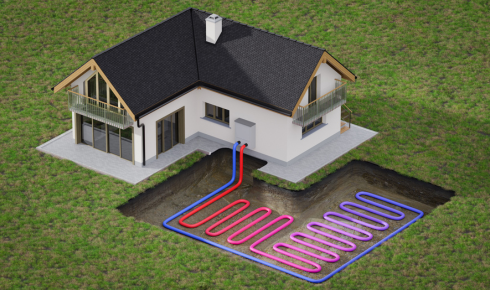
    The way it works is pretty straightforward. Pipes (called ground loops) are buried in your yard or drilled vertically. A heat pump inside your home moves a fluid through those pipes. In summer, the system pulls heat from your house and sends it into the earth. In winter, it reverses, drawing that consistent underground warmth back up into your home.

    Why Everyone’s (Quietly) Talking About It

    There’s a lot of hype around new tech in the HVAC world—smart thermostats, ductless systems, high-efficiency furnaces—but geothermal keeps a relatively low profile. Maybe it’s because it sounds too complex or expensive. Or maybe it’s because it’s, well… underground.

    But here’s the deal: once installed, geothermal systems are some of the most efficient climate control systems out there. We’re talking up to 70% more energy-efficient than traditional systems. That’s not a typo.

    And maintenance? Surprisingly minimal. You don’t have to worry about outdoor condensers getting gunked up with leaves or snow. Most of the system is tucked away safely underground or inside your home, far from the wear and tear of the elements.

    If you’re looking to reduce your carbon footprint and embrace a cleaner way to cool your home, geothermal cooling solutions are one of the most powerful tools available.

    The Green Heart of HVAC

    Now, let’s talk sustainability. You’ve probably heard the term “eco-friendly” tossed around a lot—it’s on everything from grocery bags to phone cases. But in the world of heating and cooling, going green isn’t just a buzzword. It’s a necessity.

    HVAC systems account for a huge chunk of a building’s energy consumption. And if that energy is coming from fossil fuels, you’re looking at a hefty environmental impact. Geothermal changes that equation.

    By using the earth’s own stable temperatures, these systems drastically cut down on the need for gas or electricity from polluting sources. They’re quiet, clean, and don’t release emissions into the air around your home. You’re not just saving money—you’re helping your planet breathe easier.

    So when people talk about eco-friendly HVAC systems, geothermal deserves a front-row seat in that conversation.

    But What About the Cost?

    Alright, let’s be real. Installing a geothermal system isn’t pocket change. Depending on your location, home size, and the layout of your yard, you could be looking at $10,000 to $30,000 for a full install.

    Yeah, that’s a chunk of change. But here’s the twist: you’ll likely start seeing savings on your energy bills right away—often slashing costs by 30% to 70%. And with energy prices not exactly getting cheaper, those monthly savings can really add up.

    Plus, there are federal tax credits and local incentives designed to encourage homeowners to make the switch. Combine that with the system’s longevity (some loops last 50+ years), and the investment starts to look a lot more attractive.

    When Things Go Sideways: Repairs & Maintenance

    Like any major system in your home, geothermal isn’t immune to hiccups. Leaks in the ground loop, heat pump issues, or control system failures can crop up, especially if the install wasn’t done right or the system’s aging.

    But the good news? There’s a growing network of professionals who specialize in these systems. Companies that focus on geothermal repair services are trained to diagnose and resolve issues without tearing up your whole yard. Most problems are fixable without drama.

    Regular check-ups help too. An annual inspection of the heat pump and connections, along with occasional monitoring of fluid pressure in the loops, goes a long way in avoiding any major headaches.

    Is It Right for You?

    Here’s where things get personal. Geothermal isn’t for everyone. If you live in a high-rise or don’t have access to outdoor space for ground loops, the installation might be a non-starter. In some dense urban areas, drilling could also be limited or cost-prohibitive.

    But for homeowners with a yard—or even a shared plot in a community housing situation—it’s a strong contender. It’s quiet. It’s reliable. And it’s one of the few HVAC upgrades that actively pays you back over time.

    Beyond that, there’s a certain peace of mind in knowing your comfort system isn’t poisoning the air, or racking up a massive carbon footprint.

    The Bottom Line

    Switching to geothermal isn’t just a home improvement—it’s a mindset shift. It’s about choosing long-term comfort, savings, and sustainability over quick fixes and band-aid solutions.

    Yes, it requires a little upfront commitment. Yes, you’ll want to work with pros who know their stuff. But when everything’s up and running, it’s hard to beat the quiet, consistent comfort that geothermal brings to the table.

    If you’re tired of sweating out summers or cranking the heat in winter—and you care even a little about your environmental impact—then geothermal might just be the best decision you didn’t know you could make.


    Final Thought
    Comfort doesn’t have to come with a cost to the planet. Geothermal gives you both: cozy winters, cool summers, and a cleaner conscience year-round.