Most of us don’t think about water until something feels off. It’s rarely dramatic—just a subtle shift. Maybe your tea tastes slightly different, or your sink starts showing marks that didn’t used to be there. Sometimes it’s even less obvious than that… just a quiet suspicion that things aren’t quite as they should be.
And that’s usually where curiosity kicks in.
Not panic. Not urgency. Just a simple question: what’s actually in my water?
Why Testing Feels Complicated (But Doesn’t Have to Be)
If you’ve ever looked into water testing, you’ve probably seen a mix of advice—home kits, lab testing, technical jargon that feels a bit overwhelming. It can make the whole process seem more complex than it really is.
But the truth is, testing water is less about expertise and more about attention.
You don’t need to know everything. You just need to start with the basics and build from there. Think of it like checking your car—you don’t need to be a mechanic, just aware enough to notice when something’s worth looking into.
Starting With the Right Sample
Here’s something people often overlook: how you collect your water matters just as much as how you test it.
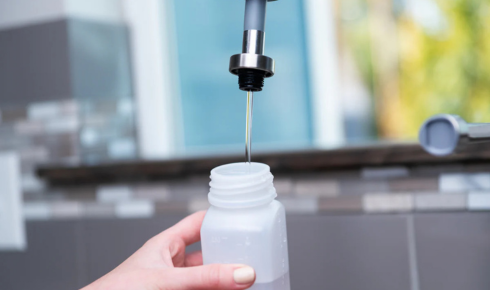
It’s tempting to just fill a bottle from the nearest tap and call it a day. But proper water sample collection is a bit more intentional than that. You want a sample that actually represents what you’re using daily.
That might mean letting the tap run for a few minutes, using a clean container, and avoiding contamination during the process. Small details, but they make a difference.
Because if the sample isn’t accurate, the results won’t be either.
What Happens After You Send It Off
Once your sample reaches a lab, things move into a different phase. This is where the deeper insights come in—the part most home test kits can’t fully capture.
Understanding the results can feel like reading a foreign language at first. But that’s where a bit of lab analysis insight becomes helpful. You don’t need to interpret every number perfectly. Focus on the highlights—what’s present, what stands out, and what might need attention.
Sometimes the results confirm what you suspected. Other times, they reveal things you hadn’t considered at all.
Either way, you’re no longer guessing.
Breaking Down the Process Into Manageable Steps
If you’re unsure where to begin, it helps to think of the process in simple terms. Not as one big task, but as a series of small actions.
That’s really what water testing steps are about—making the process feel approachable. Start with observation. Move to sampling. Then testing. Then understanding.
Each step builds on the last, and none of them need to be perfect. They just need to be done with a bit of care.
Connecting Results With Real-Life Experience
One of the most useful things you can do is match your test results with what you’ve been experiencing.
That slight metallic taste? It might align with certain mineral levels.
Those cloudy glasses? Possibly related to hardness or sediments.
That faint smell? Maybe chlorine or something naturally occurring.
When you connect the data to your daily experience, it all starts to make sense. The numbers aren’t just numbers anymore—they’re explanations.
Why You Don’t Need to Fix Everything at Once
It’s easy to feel like you need to address every issue immediately. But in most cases, that’s not necessary.
Water quality is rarely an all-or-nothing situation. You might have one or two elements that stand out, while everything else is perfectly fine.
Start with what matters most to you. Taste, appearance, comfort—whatever affects your daily life. From there, you can decide what changes are worth making.
The Subtle Confidence That Comes With Clarity
There’s something reassuring about knowing what’s in your water.
You stop wondering. You stop second-guessing. Whether you decide to take action or not, you’re making that decision from a place of understanding.
And that kind of clarity has a way of settling things.
Keeping an Eye on Changes Over Time
Water isn’t static. It can change with seasons, infrastructure updates, or even shifts in usage patterns.
That’s why occasional testing makes sense. Not constantly, but enough to stay aware of what’s happening.
Think of it as checking in with your home. A small habit that helps you stay ahead of potential issues.
A Final Thought, Kept Real
Testing your water isn’t about chasing perfection or turning your home into a science project.
It’s about understanding what you’re using every day. Drinking, cooking, cleaning—it all starts with water.
And once you take the time to understand it, everything else becomes simpler.
Because in the end, it’s not about having the “best” water. It’s about having water you trust—without having to think twice about it.
And honestly, that’s more than enough.